Tuesday 16

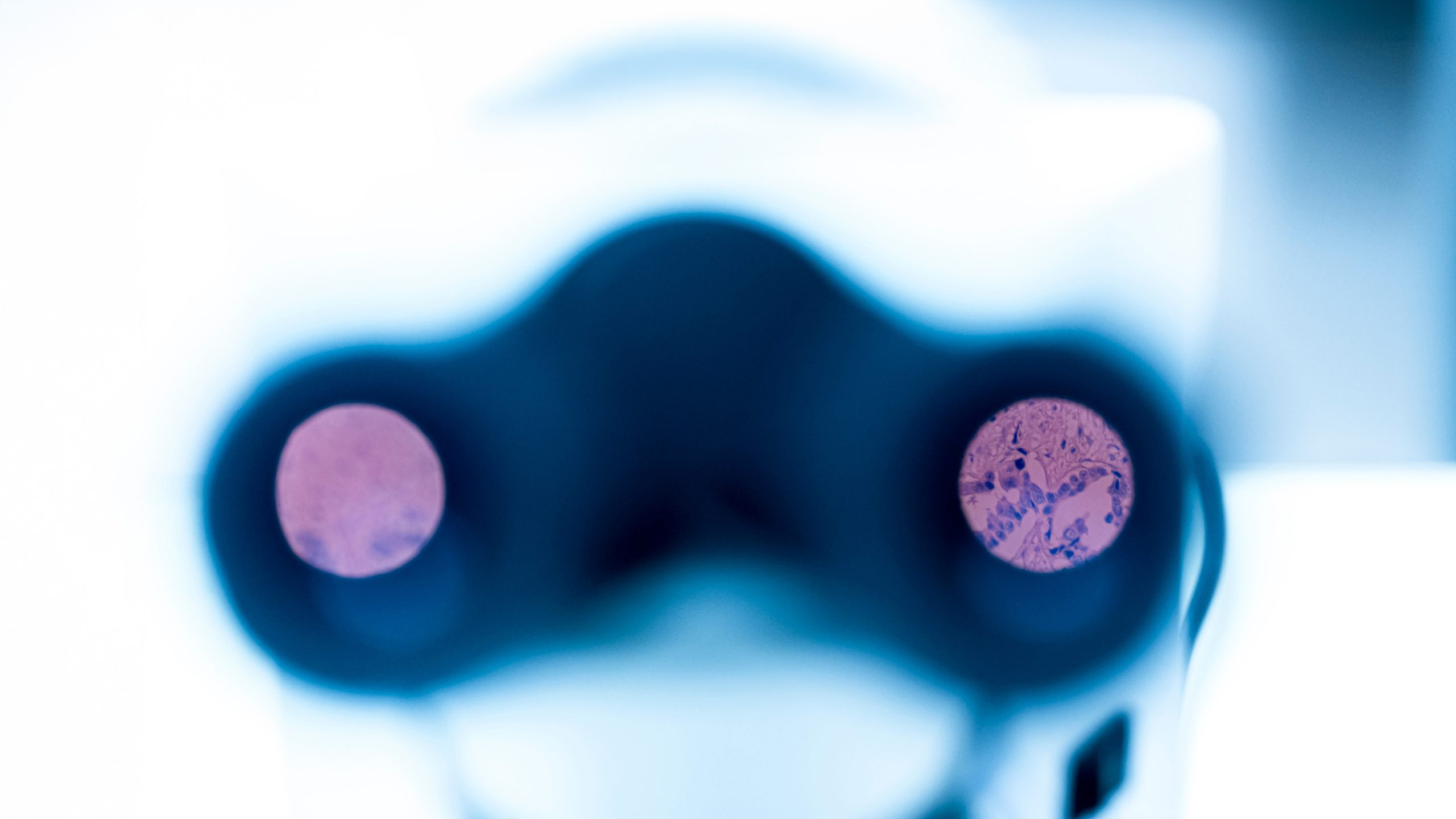
News from the Lab: Ultrasound and AI to diagnose childhood meningitis

Published on 16/12/2025

Meningitis is a serious infectious disease that inflames the membranes protecting the brain and spinal cord, called meninges. Detecting the disease in its early stages is essential to prevent its most severe forms, which can even lead to death. However, the current diagnostic method, a lumbar puncture, is invasive and particularly complicated with infants, who often present with very non-specific symptoms. Furthermore, lumbar punctures to diagnose meningitis are costly tests that require a high level of specialisation and resources. As a result, they are performed less frequently in low- and middle-income countries.

Is there a way to improve and facilitate the diagnosis of meningitis? Sara Ajanovic, a paediatrician and researcher at ISGlobal and Vall d’Hebron Hospital,

Share

0
Friday 12

2025 through a microscope

Published on 12/12/2025

One of the most powerful driving forces in human beings is curiosity: the impulse that leads us to explore the unknown, to comprehend the world around us and even understand our own biology. Curiosity can arise from a simple desire to know something but also from a desire to transform knowledge into health or social impact.

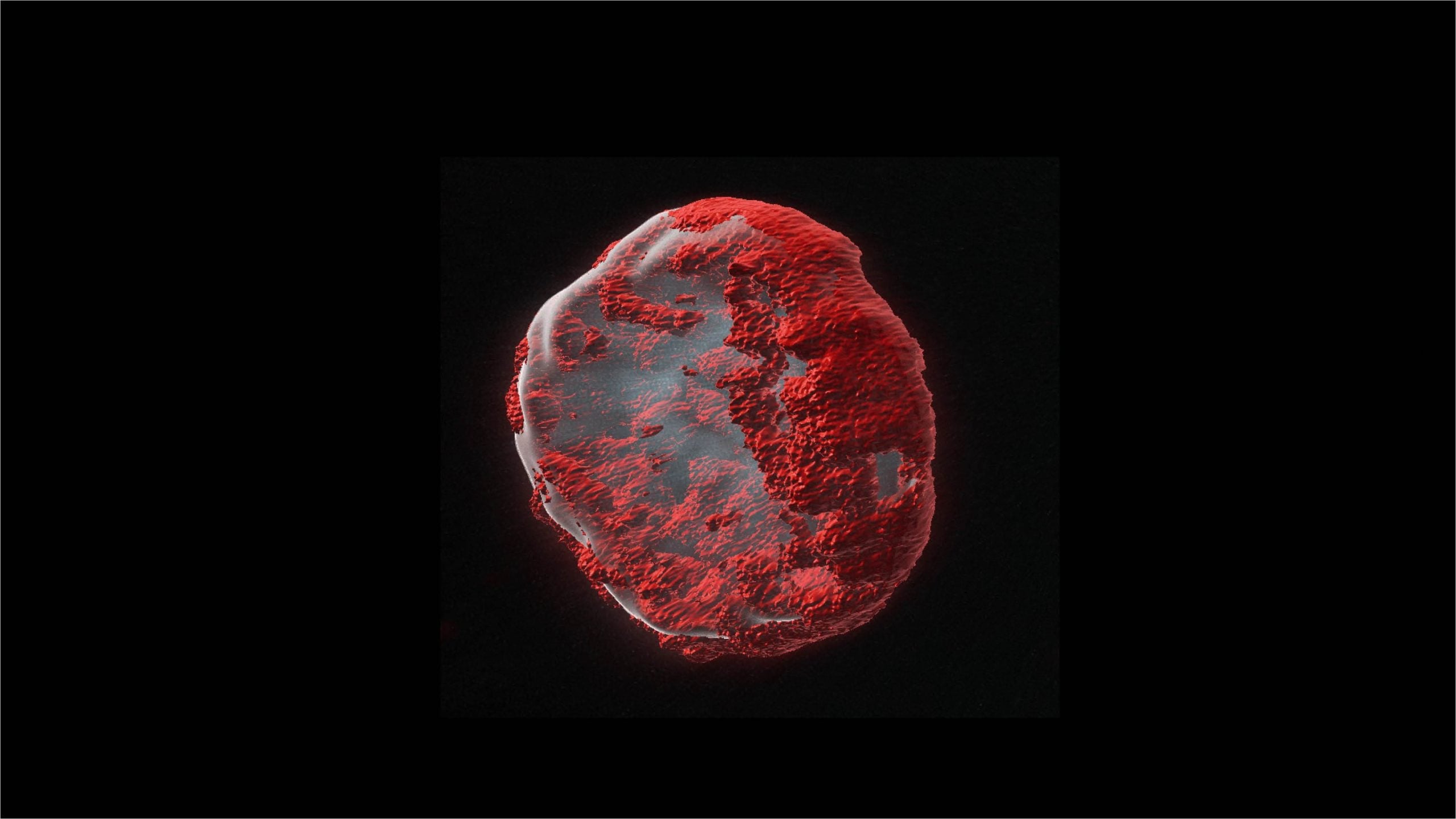
The Snapshots of 2025 are an example of how, through research, curiosity can become advances in health. Here are eight images taken by researchers from our network that reflect some of the most notable discoveries of the year but which, thanks to their colours and textures, could also pass for authentic works of art. In several of them,

Share

0
Monday 01

Memory, Stigma, Future Challenges

Published on 01/12/2025

In 2024, 1.3 million people contracted HIV, 40.8 million were living with the virus, and 630,000 died from AIDS-related illnesses. These figures are in addition to the 92.3 million people in total who’ve been infected since the start of the pandemic, according to estimates

More than forty years have passed since the first cases were detected and, although steady progress has been made, we still can’t class HIV as a disease of the past.

So what have we learned after four decades of fighting HIV? What stigma does it carry today? Which scientific challenges remain to be solved? And what social transformations are essential to envisage an AIDS-free future?

Share

0
Friday 28

News from the Lab: Can we train the immune system?

Published on 28/11/2025

Bladder cancer is one of the most common urological tumours. In over 75% of cases, it’s diagnosed when the tumour is in its non-muscle invasive form; i.e. it hasn’t reached the muscle layer of the bladder.

The standard treatments consist of administering BCG, a vaccine derived from Mycobacterium tuberculosis that’s introduced directly into the bladder to activate the immune system and slow down the disease.

But there’s a limitation to this approach: it doesn’t always prevent relapses or stop tumour progression.

For this reason, the research team from IrsiCaixa and the Germans Trias i Pujol Research Institute, in collaboration with Archivel Farma, proposed a new approach: What if,

Share

0
Thursday 20

34 biomedical research projects that will address the main health challenges

Published on 20/11/2025

The 2025 edition of the Health Research Call from the ”la Caixa” Foundation has selected 34 new cutting-edge biomedical research projects, awarding each of them up to one million euros. The projects are led by 25 research centres, universities and hospitals in Spain, and nine in Portugal.

This eighth edition of the call received 714 proposals in basic, clinical and translational research, and is particularly aimed at tackling major health challenges in several areas: neurosciences, cardiovascular and metabolic diseases, oncology, infectious diseases and enabling technologies in any of these fields.

This year, agreements with the Breakthrough T1D Foundation and the Fundación Luzón have made it possible to place a stronger emphasis on funding initiatives focused on type 1 diabetes – two projects have been selected – and amyotrophic lateral sclerosis (ALS),

Share

0
  • Archive