Sunday 21

News from the Lab: What if we could slow down ALS?

Published on 21/06/2026

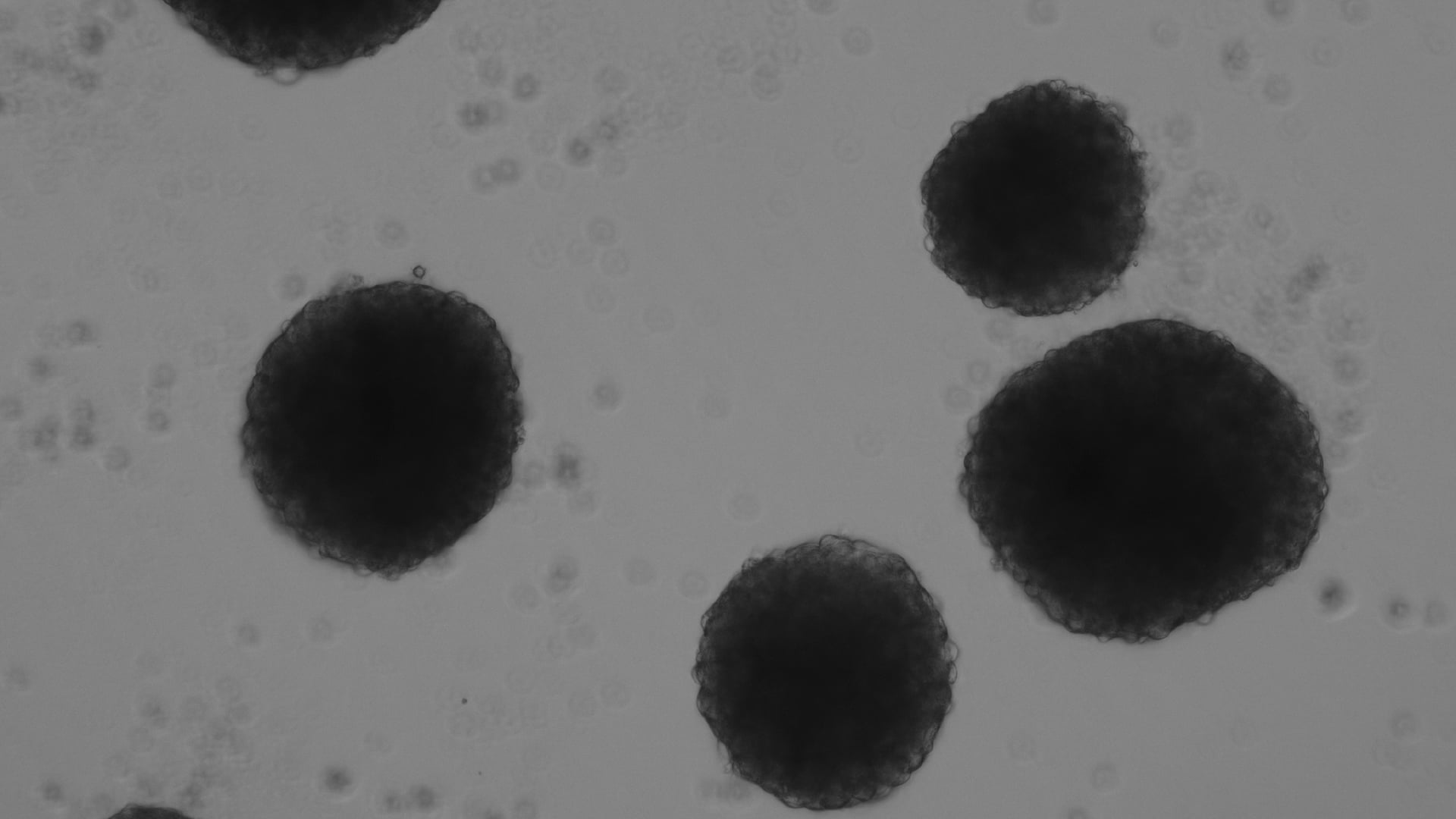
Amyotrophic Lateral Sclerosis (ALS) is a neurodegenerative disease that progressively destroys the neurons responsible for movement. As it advances, patients gradually lose their ability to move, speak, eat and even breathe.

There’s currently no cure and the available treatments only manage to slow the progression of the disease slightly. Developing new therapies is therefore one of the major challenges facing biomedical research today.

With this aim in mind, the team led by Ana Martínez and Carmen Gil at CSIC’s Margarita Salas Biological Research Centre has spent years studying TDP-43, a protein that’s altered in over 97% of ALS patients and is closely linked to the disease’s progression.

Share

0
Tuesday 16

What do we know about the relationship between alcohol, the Mediterranean diet and health?

Published on 16/06/2026

Alcohol consumption has a considerable impact on health. According to the World Health Organisation (WHO), 2.6 million deaths worldwide can be attributed to alcohol consumption each year. Furthermore, an estimated 400 million people suffer from alcohol use disorders. Of these, 209 million live with alcohol dependence.

In Spain, alcohol is the second leading preventable cause of death, accounting for around 4% of annual deaths and with a particularly high impact among young people.

Alcohol consumption is associated with the development of a wide range of diseases affecting the liver, pancreas and gastrointestinal system, as well as cardiovascular and neurological disorders and various types of cancer including breast, throat and mouth.

Share

0
Wednesday 27

Sleep health

Published on 27/05/2026

There’s a misconception that poor sleep forms an inevitable part of ageing or of times such as pregnancy and perimenopause, or that we can cut back on sleep to boost productivity, without realising that chronic sleep deprivation compromises our health.

Sleeping well isn’t just about resting the body: it’s a basic, essential need that protects our brain. Through the expert insight of Dr. Ana Fernández Arcos, a neurologist and researcher at the Barcelonaβeta Brain Research Center (BBRC), we explore how the quality of our sleep today acts as a barrier against cognitive decline and Alzheimer’s.


Sleep: an active process of self-care

Far from being a passive state,

Share

0
Thursday 21

Why are allergies becoming more common?

Published on 21/05/2026

The weather’s getting warmer so you step outside and spring’s in the air; everything’s green, bright and blooming. You take a deep breath and… you sneeze. With the arrival of the new season, one word is on everyone’s lips wherever you go: allergy. 

But what many people experience as a seasonal nuisance is actually a condition afflicting an increasing number of people all year round. The fact is that allergies have risen dramatically in recent decades and are still far from reaching their peak. Today, it’s estimated that allergic rhinitis affects 32% of Europe’s population, whilst the World Health Organisation estimates this figure could reach 50% of the global population by 2050.

Share

0
Tuesday 19

Snapshot of the Month: ‘Secret Patterns of Being’

Published on 19/05/2026

What do a micrograph of a cell and a Persian rug have in common? At first glance, both are geometric representations of a fabric, a weave of chromatic patterns. 

In this instalment of Snapshot of the Month, we’ll discover how this metaphor is connected through the symbolism of cinema and what the study to which the image belongs has actually revealed. For behind the apparent stillness of this image lies a cellular ‘battle’ worthy of a film script, with its heroes, its villains and a narrative tempo that sets the pace. In this case the actors are senescent cells, veritable ‘zombie cells’ that stop dividing but don’t die.

Share

0
  • Archive