Sunday 21

News from the Lab: What if we could slow down ALS?

Published on 21/06/2026

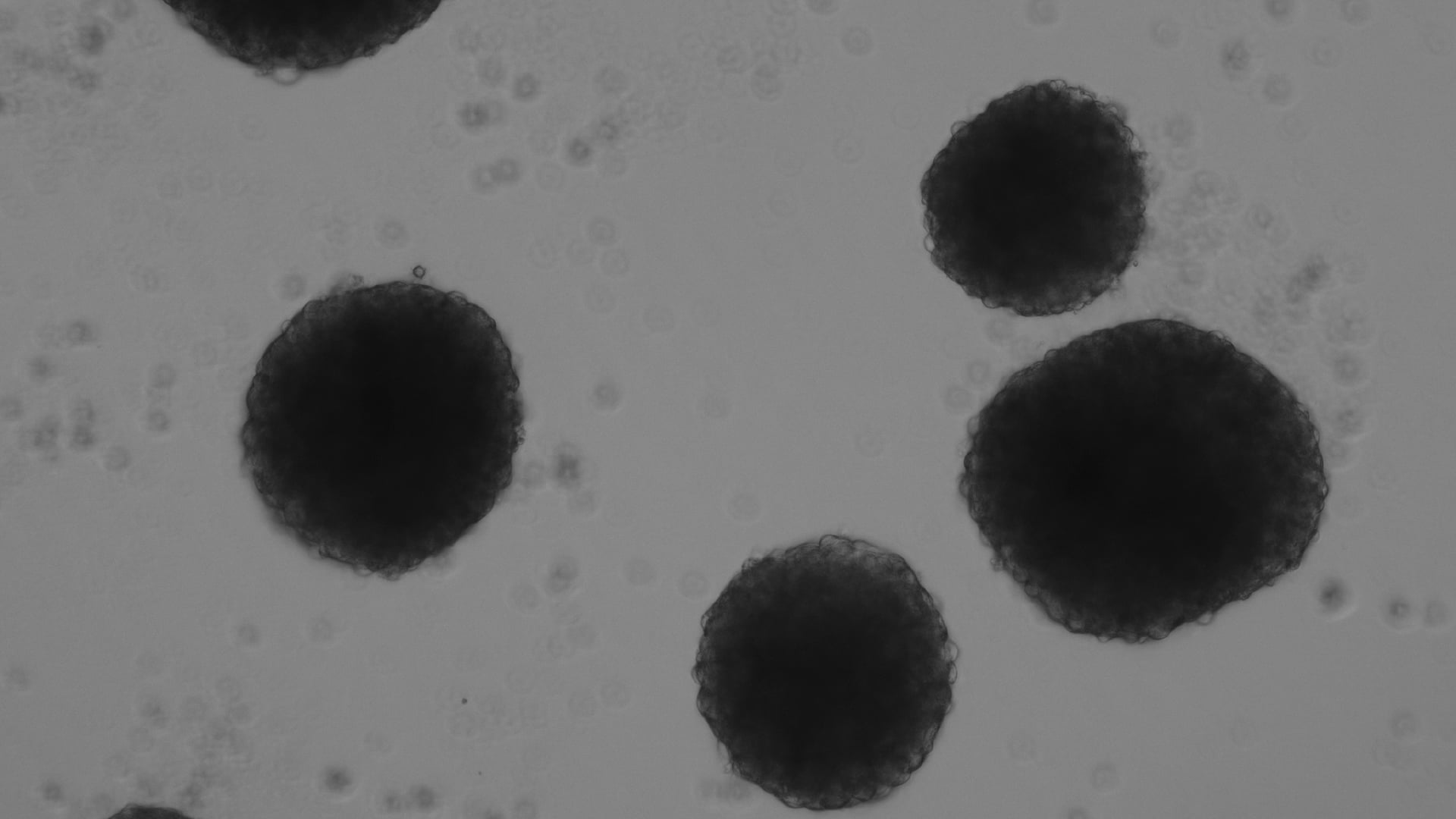
Amyotrophic Lateral Sclerosis (ALS) is a neurodegenerative disease that progressively destroys the neurons responsible for movement. As it advances, patients gradually lose their ability to move, speak, eat and even breathe.

There’s currently no cure and the available treatments only manage to slow the progression of the disease slightly. Developing new therapies is therefore one of the major challenges facing biomedical research today.

With this aim in mind, the team led by Ana Martínez and Carmen Gil at CSIC’s Margarita Salas Biological Research Centre has spent years studying TDP-43, a protein that’s altered in over 97% of ALS patients and is closely linked to the disease’s progression.

Share

0
Thursday 23

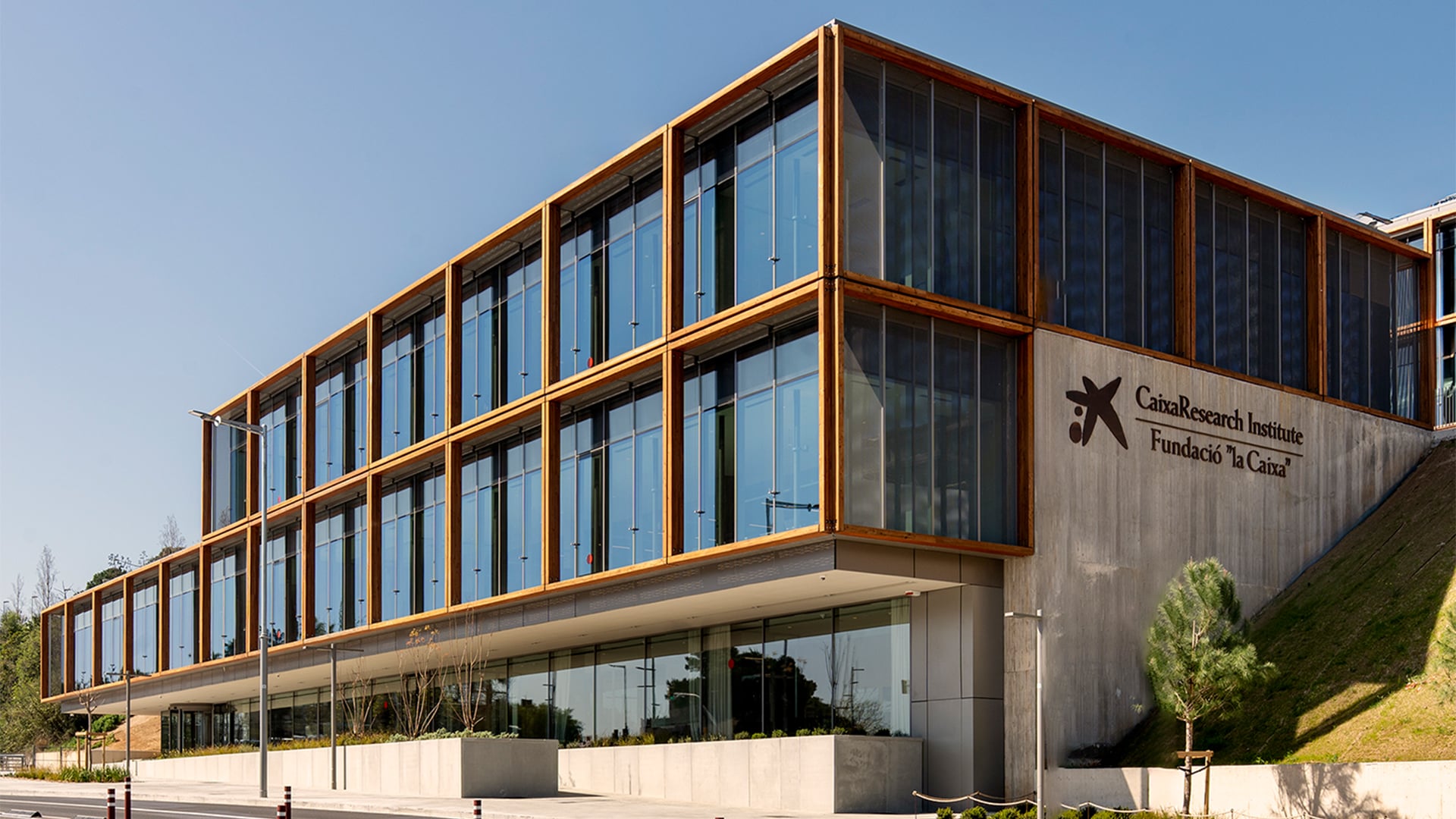
The ”la Caixa” Foundation inaugurates the CaixaResearch Institute, the first research centre specialising in immunology in Spain and Portugal

Published on 23/04/2026

  • His Majesty the King has inaugurated the new CaixaResearch Institute in an official ceremony attended by the President of the Government of Catalonia, Salvador Illa; the Minister of Health, Mónica García; the Spanish Government Delegate in Catalonia, Carlos Prieto; and the Chairman of the ”la Caixa” Foundation, Isidro Fainé.
  • With an investment of 100 million euros, the new research centre will have 20,000 m² dedicated to immunology and is expected to host 500 professionals, 425 of whom will be scientists. Conceived as a space for collaborative creation with a cross-disciplinary approach, the institute aims to bring its discoveries from the laboratory to patients in the form of more precise diagnostics and better therapies.

Share

0
Monday 01

Memory, Stigma, Future Challenges

Published on 01/12/2025

In 2024, 1.3 million people contracted HIV, 40.8 million were living with the virus, and 630,000 died from AIDS-related illnesses. These figures are in addition to the 92.3 million people in total who’ve been infected since the start of the pandemic, according to estimates

More than forty years have passed since the first cases were detected and, although steady progress has been made, we still can’t class HIV as a disease of the past.

So what have we learned after four decades of fighting HIV? What stigma does it carry today? Which scientific challenges remain to be solved? And what social transformations are essential to envisage an AIDS-free future?

Share

0
Wednesday 23

Science or science fiction? Research that reads like something out of a book

Published on 23/04/2025

Long before the first robot hoover existed, the laws that would shape its relationship with humans had already been imagined. Almost a century before Sputnik 1 became the first artificial satellite in history, someone had dreamt it up in the pages of a book. Even cloning and the ‘de-extinction’ of species were conceived in the mind of a writer before science labs. Throughout history, science fiction has fuelled the imagination of researchers on countless occasions, driving advances that have come to change the world.

The laws of robotics in Isaac Asimov’s I, Robot (1950), space flight in Jules Verne’s From the Earth to the Moon (1865) and genetic engineering in H.G.

Share

0
Tuesday 11

No-one dreams of something they don’t know

Published on 11/02/2025

Spanish girls want to be #ASTRONAUTS. It’s not a dream; it’s a reality” posted Sara García Alonso after the publication of the Annual Adecco Survey, which asked over 1,100 children about what they dreamed of doing as a job.

Sara, a molecular biologist at Spain’s National Cancer Research Centre (CNIO) and the country’s first candidate to become an astronaut for the European Space Agency, has managed to make travelling into space seem possible and has fired the imagination of young girls. Because when a woman is visible, when she forges a path, many more girls can see themselves in her place. 

That’s why today, to commemorate the International Day of Women and Girls in Science,

Share

0
  • Archive