Friday 24

News from the Lab | Ten people cured of HIV: the case of the Oslo patient

Published on 24/07/2026

An HIV infection attacks the immune system of those affected. Although HIV can now be effectively treated and prevented through antiretroviral therapy, there’s still no cure that’s fully applicable and accessible for the general population. That’s why finding a definitive cure remains one of the greatest challenges facing modern medicine. 

Nevertheless, there are cases that offer a glimmer of hope regarding this goal, namely patients who’ve achieved viral remission after undergoing a stem cell transplant to treat haematological cancer. To further our knowledge in this area, the international consortium IciStem, coordinated by IrsiCaixa (a leading research center for research on infections and immunity), has spent over a decade monitoring 40 people with HIV who’ve received this kind of transplant.

Share

0
Thursday 23

Snapshot of the Month: “Becoming”

Published on 23/07/2026

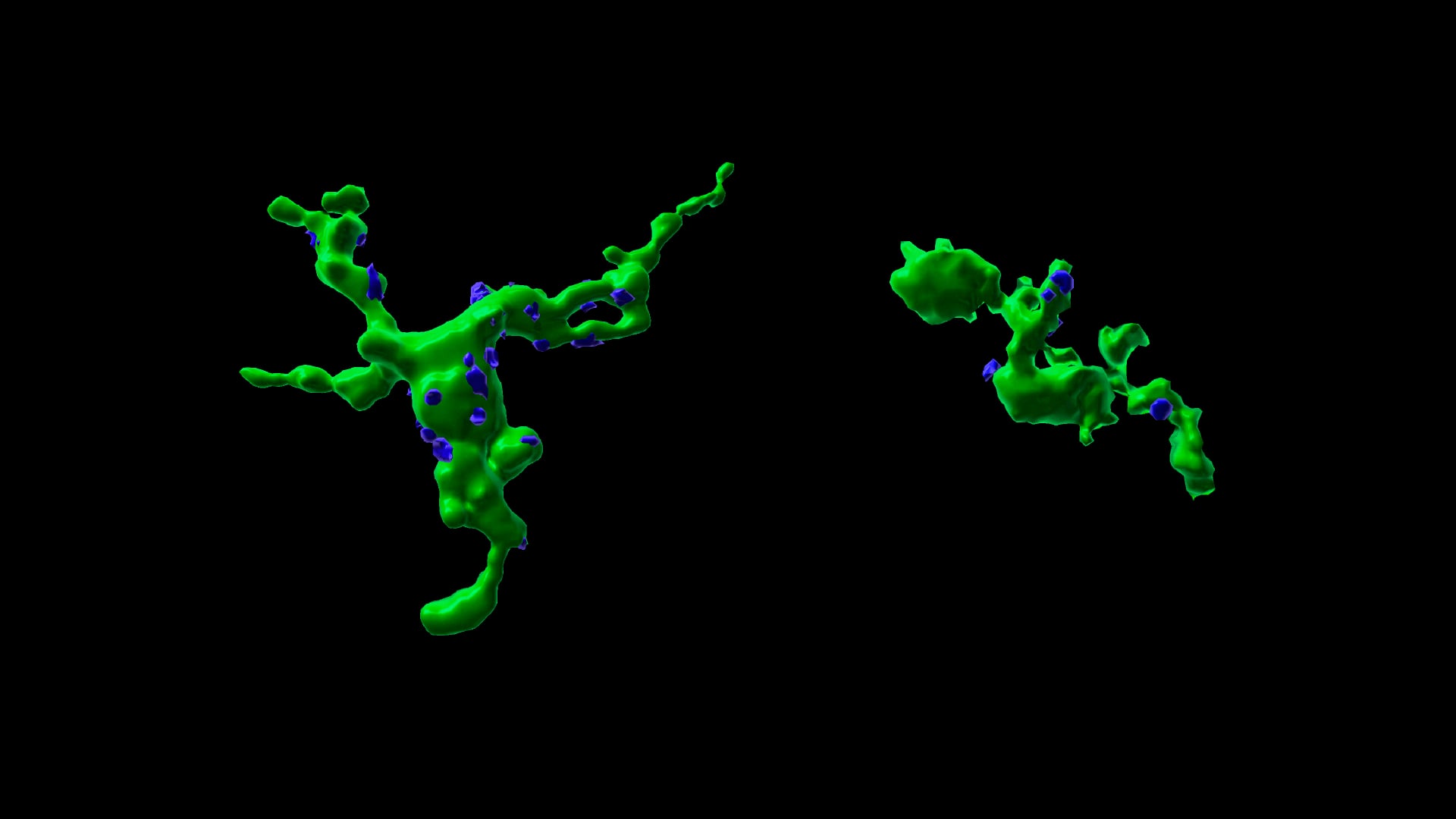
The fluid and abstract forms in nature have the power to inspire both scientific breakthroughs and avant-garde art. This month’s Snapshot straddles precisely that boundary; an image depicting a key discovery in the regulation of human fertility, yet one which, to the artistic eye, evokes the organic growth of Jean Arp’s sculptures.

To analyse this snapshot, which forms part of a study published in the journal Science, we draw on a combination of artistic and scientific perspectives. The scientific focus is provided by Eva González Suárez, the study’s director, researcher and Leader of the Transformation and Metastasis Group at the Spanish National Cancer Research Centre (CNIO),

Share

0
Friday 17

Can we prevent future pandemics?

Published on 17/07/2026

Disease X

This was the name given in 2018 by the World Health Organisation (WHO) to a disease which, although not yet known (and perhaps not even in existence), could cause a serious epidemic or pandemic in the future. 

Barely two years later, what could be considered the first example of this so-called ‘Disease X’ arrived: COVID-19. 

Since then, the constant barrage of headlines about new pathogens, alerts and outbreaks (avian flu, monkeypox, Ebola, hantavirus, etc.) has once again fuelled fears in view of the inevitable question: ‘Are we on the brink of a new pandemic?’. This is followed by an attempt at reassurance: ‘But… after everything we’ve learned from COVID-19,

Share

0
Thursday 25

The Age of Inflammation

Published on 25/06/2026

Lemon water; ginger, turmeric and cinnamon ‘shots’; a Mediterranean diet with matcha tea and kombucha; sleep routines and daily exercise; intermittent fasting; ice baths; even red light devices and walking barefoot to reconnect with the earth.

These are just a few from the long list of anti-inflammatory strategies that seems to be growing by the day. They promise to ward off not only cardiovascular disease, diabetes and cancer but also more everyday complaints such as tiredness, stress and general malaise. In recent years, inflammation has moved outside the laboratory to take its place in public discourse as one of the most recurring – and perhaps most promising – concepts in the health debate.

Share

0
Sunday 21

News from the Lab: What if we could slow down ALS?

Published on 21/06/2026

Amyotrophic Lateral Sclerosis (ALS) is a neurodegenerative disease that progressively destroys the neurons responsible for movement. As it advances, patients gradually lose their ability to move, speak, eat and even breathe.

There’s currently no cure and the available treatments only manage to slow the progression of the disease slightly. Developing new therapies is therefore one of the major challenges facing biomedical research today.

With this aim in mind, the team led by Ana Martínez and Carmen Gil at CSIC’s Margarita Salas Biological Research Centre has spent years studying TDP-43, a protein that’s altered in over 97% of ALS patients and is closely linked to the disease’s progression.

Share

0
  • Archive