Tuesday 17

Redefining free will

Published on 17/03/2026

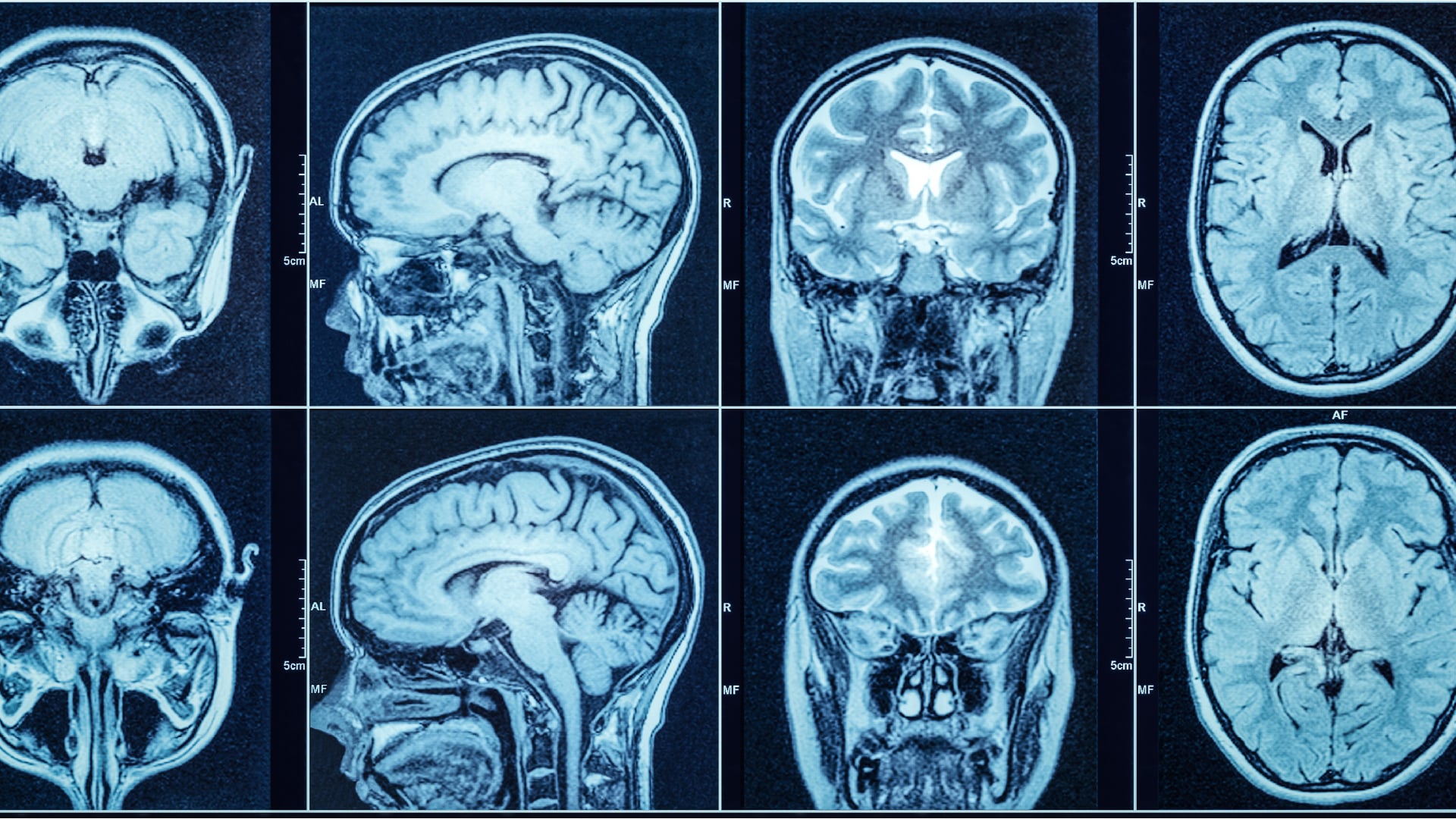
Every day we make hundreds of decisions: choosing a certain path, stopping at a traffic light, trusting someone or not… And the curious thing is that many of these decisions are made before we’re even aware of them. It’s as if our brain had a kind of autopilot that enables us to act quickly, guiding our choices almost imperceptibly. But do we know how it works and why it decides what it does? Are we truly free, or are we dependent on it?

Behind every decision lie invisible, complex processes that researchers such as Joseph Paton, Director of the Champalimaud Neuroscience Programme and Principal Investigator at the Champalimaud Foundation in Lisbon,

Share

0
Saturday 28

Mitochondrial diseases with Albert Quintana

Published on 28/02/2026

By definition, a rare disease affects fewer than 1 in 2,000 people. 

That’s why they’re called ‘rare’. However, when we consider that there are 7,000 different types of rare disease affecting 300 million people (a number close to the population of the United States), perhaps they’re not so rare after all.

With these figures in mind, in 2025 the 194 member states of the World Health Organization (WHO) unanimously approved a historic resolution: a document that recognises these diseases as a global health priority and establishes a 10-year action plan. The goal? To incorporate them into national agendas, increase investment in research and promote the sharing of data between countries.

Share

0
Wednesday 25

Cancer. One name, many diseases. We ask the expert

Published on 25/02/2026

Every advance begins with a question. Physicians in classical Greece wondered what the abnormal tissue was that grew uncontrollably and affected their patients’ health. They called it karkinos (“crab”) because of its hardness and resemblance to the crustacean and the word we still use today comes from that term.

2,400 years later, we now know there are over 200 types of cancer. Cancer isn’t a single disease but many, and it requires many questions. In this article, we’ve compiled some of the doubts sent to us by our community and tackle them together with two experts in clinical practice and research.

Elisa Espinet, a researcher for ”la Caixa” Foundation Health Research and Group Leader at the Pancreatic Cancer Laboratory of the Barcelona University’s Faculty of Medicine and the Bellvitge Biomedical Research Institute (IDIBELL),

Share

0
Tuesday 17

Snapshot of the month: “Topography of the Living”

Published on 17/02/2026

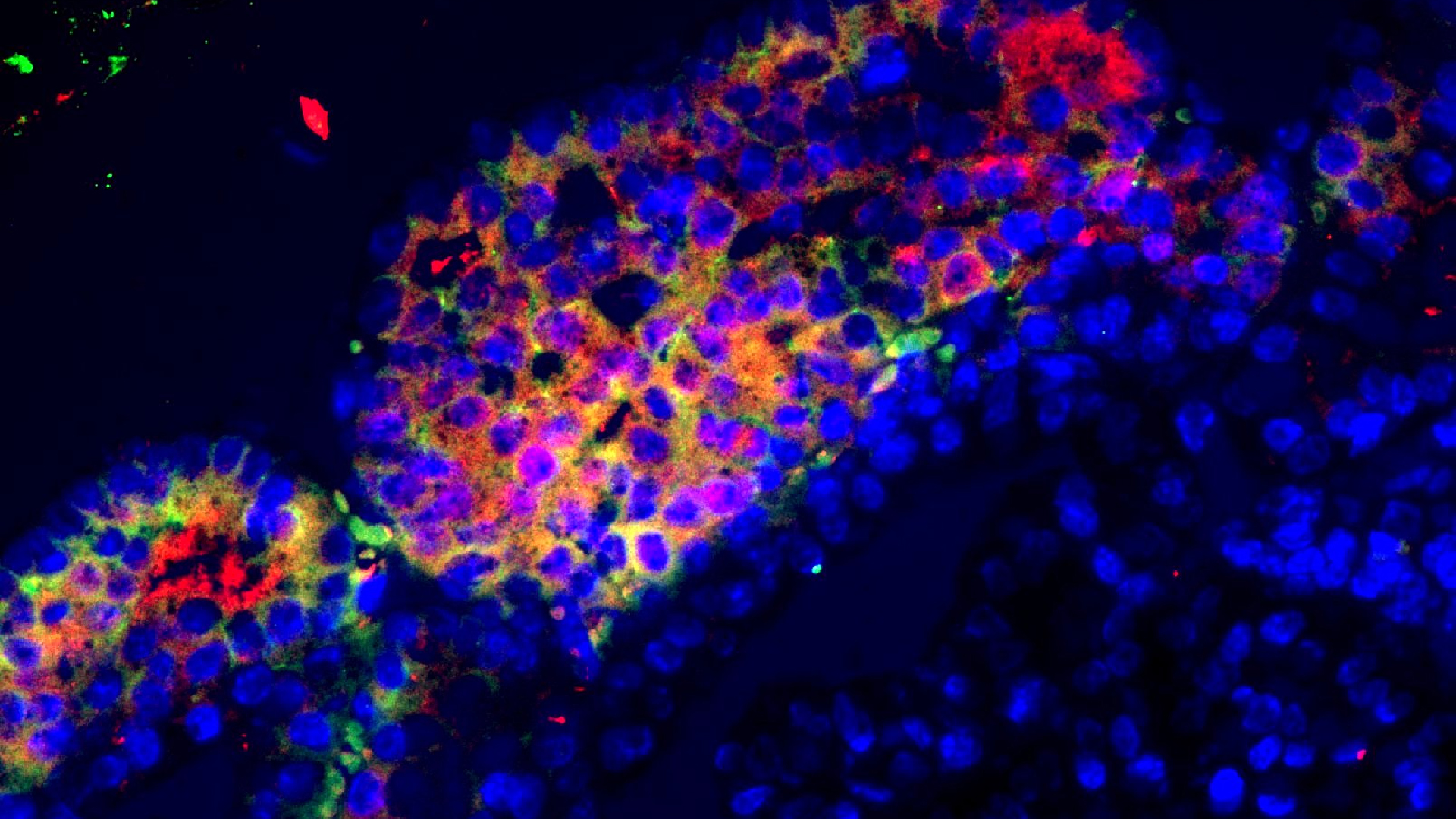
If we could perceive it, what sound would ageing make? What notes would represent the changes in shape, structure and colour that occur over the years? And, conversely, what signals would our body emit if it were capable of reversing that process?

Perhaps such a sound exists but we’re simply not capable of hearing it. Something similar occurs in our latest Snapshot of the Month. As if we were experiencing sensory synaesthesia, the scientific image in question awakens seemingly unconnected or even contradictory sensations: a changing stillness or a deafening silence. And the discovery behind it is no less disconcerting: it reveals a key mechanism involved in the ageing,

Share

0
Tuesday 27

A scientific approach to weight

Published on 27/01/2026


We ask the experts, Guadalupe Sabio and Beatriz Cicuéndez: How can we approach weight from a scientific view?

A new year has begun and, with it, new (or renewed) resolutions. Perhaps to take up a new hobby? Join a gym? Go on a diet to lose a few kilos? In any case, it’s common for our weight to figure prominently in a lot of these proposals, as indeed it has in many headlines recently.

Ozempic, Mounjaro, Wegovy… The emergence of new drugs that promise rapid, almost miraculous weight loss has once again placed weight at the centre of social debate, from the press to social media and everyday conversations. But what if we look beyond the number shown by the scales and take this issue to the lab?

Share

0
  • Archive