

Endometriosis: key facts about a silent disease that affects 1 in 10 women
Published on 20/03/2026
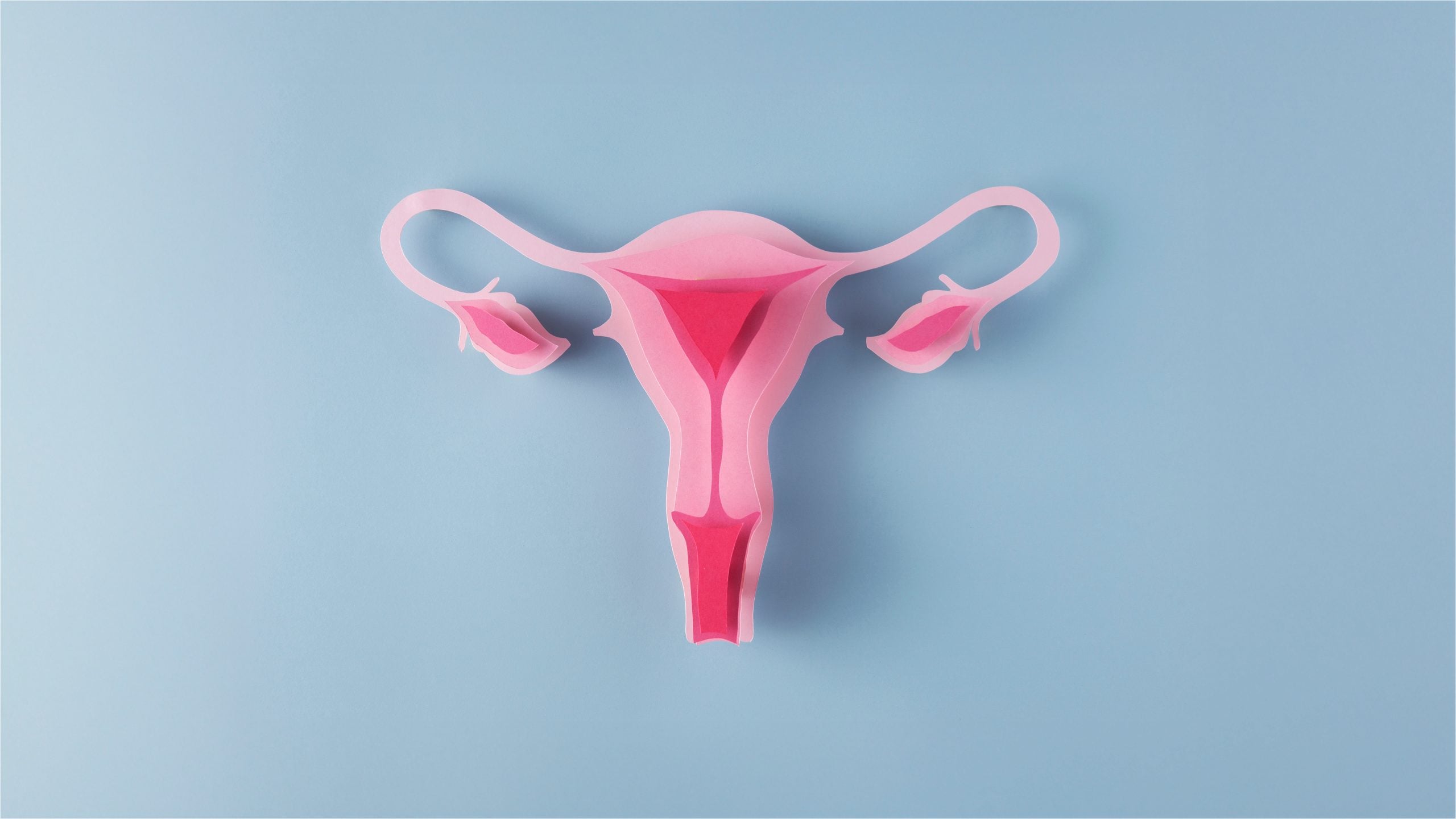
More than 190 million women worldwide, and over a million in Spain, suffer from endometriosis. However, despite affecting 1 in 10 women of reproductive age, this chronic, systemic and inflammatory condition remains one of the least understood, with significant delays in its diagnosis. In many cases, it can take up to ten years for patients to obtain an explanation for symptoms that have a profound impact on their physical, mental, sexual and reproductive health.
Endometriosis occurs when tissue similar to the inner lining of the uterus, the endometrium, grows outside it, particularly on the ovaries, the uterine ligaments, the bladder or the intestine. Although it’s in the wrong place, this tissue still responds to the hormones of the menstrual cycle, becoming inflamed and bleeding but the blood can’t be expelled naturally, leading to chronic inflammation, pain and, in some cases, the formation of cysts and adhesions.
The most common symptom is severe pain during menstruation, which many women learn to regard as normal from a very young age. This normalisation is one of the main reasons the disease isn’t diagnosed earlier. Endometriosis is also one of the main causes of female infertility. It can damage the ovaries, reduce egg quality, disrupt the functioning of the fallopian tubes and also hinder embryo implantation. For many women, the diagnosis only arrives when they start trying to get pregnant and are unable to do so.
There are still many unanswered questions surrounding endometriosis and, for the time being, there’s no definitive cure. However, we do have treatments that can significantly improve women’s quality of life. Led by three experts in endometriosis, Francisco Carmona, María Luisa Sánchez-Ferrer and Juan García-Velasco, the Health Research Debate on 11 March explored the causes and consequences of this disease, its impact on quality of life, advances to improve early diagnosis, and the treatment options available.
- Francisco Carmona is Director of the Endometriosis Unit at Hospital Clínic de Barcelona and a Senior Lecturer at the Faculty of Medicine of the University of Barcelona.
- María Luisa Sánchez-Ferrer is Head of the Gynaecology and Obstetrics Section at the Virgen de la Arrixaca University Hospital in Murcia, Principal Investigator at the Pascual Parrilla Institute for Biomedical Research in Murcia, and Professor of Gynaecology at the University of Murcia.
- Juan García-Velasco is Scientific Director of IVIRMA Global, Director of IVI Madrid, Professor of Gynaecology at the Rey Juan Carlos University in Madrid and a member of “la Caixa” Foundation’s community of fellows.
In the following article, we’ll outline the key points highlighted by the three experts during the Debate, moderated by Raquel Bonilla, Editor of A Tu Salud, the health supplement published by La Razón.
Raquel Bonilla
Endometriosis: causes and origins of the disease
What is endometriosis?
“Endometriosis is a chronic condition that affects only women, not men, whose main characteristic is that the endometrium (the membrane lining the inside of the uterus where the embryo implants when a woman becomes pregnant), or tissue very similar to the endometrium, appears in other parts of the pelvis and body. This misplaced tissue behaves like a normal endometrium; in other words, at the stage of the cycle when the endometrium prepares for pregnancy, this misplaced tissue does the same. And when a woman has her period, because she hasn’t become pregnant, the misplaced endometrium also bleeds and causes severe pain, which is often debilitating.” – Francisco Carmona
What are its causes? Is it hereditary?
“If there’s no period, there’s no endometriosis. We know that the recurrence of a period in each menstrual cycle is linked to the origin of the condition, but we don’t know the exact mechanisms by which it occurs.” – Francisco Carmona
“The origin of endometriosis isn’t really known and so we can’t be sure if it’s hereditary. In medicine we say it’s a polygenic, multifactorial condition. We call it polygenic because there’s not only a certain family association but it also depends on many genes. This implies there may be a predisposition to developing endometriosis, but it doesn’t mean the person will necessarily suffer from it. And also that’s why we say it’s multifactorial, because it depends not only on genetic factors but also on epigenetics, on all the environmental exposures we’re subjected to and which cause gene expression, or not.” – María Luisa Sánchez-Ferrer
María Luisa Sánchez Ferrer
“It’s a disease that has always existed but the thing is that, in the past, mothers used to have a large number of children from a very young age and, what with pregnancies and breastfeeding, they barely had any periods, so there was no time for the disease to develop. Now we have fewer children and start later, which allows the disease to develop.” – Juan García-Velasco
Does it disappear at the menopause?
“Endometriosis is linked to the hormones of the menstrual cycle, particularly oestrogen. Therefore, in most cases, when women reach the menopause and oestrogen levels drop, the condition disappears. It doesn’t disappear as such, but the endometrial tissue atrophies and dries up, and the symptoms disappear, so the woman returns to normal.” – Francisco Carmona
The symptoms of endometriosis: from pain to infertility
What are the most common symptoms?
“There are many forms of the condition known as endometriosis: mild, moderate and severe, depending on the stage; or superficial and deep, depending on the location; and the symptoms will also depend on this. If we had to pick one common symptom, it would clearly be pain. Severe, chronic pelvic pain, particularly during menstruation, which gets worse as the days go by. Furthermore, endometriosis also causes pain outside of the menstrual period, typically during sexual intercourse, and/or when urinating or passing stools. When we ask how much it hurts, on a scale of 0 to 10, they tend to say 20. It’s a very intense pain.” – María Luisa Sánchez-Ferrer
“There’s a problem with pain: we can’t measure it. We’re talking about a sensation created by the brain in response to certain stimuli. We use a subjective scale. Even so, I believe that, when we experience something more intense than mild pain, the causes should be investigated.” – Francisco Carmona
“We can’t normalise pain. When a 14- or 15-year-old girl complains that her period is very painful, there’s a tendency to normalise it, and that’s a problem we must address. A period can be uncomfortable but it doesn’t have to be painful. If the pain is a problem and becomes debilitating, a solution must be found. We’ve normalised the symptoms and that’s why there’s a delay of between eight and ten years in diagnosis.” – Juan García-Velasco
Juan García Velasco
Does it cause infertility?
“Another consequence of this condition, over the years and due to delayed diagnosis, is infertility. The inflammatory process alters the pelvis and its anatomy, particularly the fallopian tubes and sometimes the ovaries, which makes it difficult to conceive. Furthermore, if these women experience pain during intercourse, they have less sex, reducing the likelihood of spontaneous pregnancy. It’s a vicious circle: because I’m in pain, I try to avoid sex, and because I’m not having sex, I don’t get pregnant and I worry. Sometimes, what’s needed is someone who’ll listen, who understands and pays this condition the attention it requires.” – Juan García-Velasco
What’s the link between endometriosis and fibroids, polyps, cysts or even cancer?
“All these conditions are oestrogen-dependent. In endometriosis, there’s a predominance of oestrogen and a resistance to progesterone, which appears not to work as effectively and allows certain tissues to proliferate. Similarly, any condition that depends on oestrogen, such as endometrial polyps or uterine fibroids, can also proliferate.” – Juan García-Velasco
“We should begin by reassuring anyone with endometriosis, because it’s the percentage of women with endometriosis who go on to develop ovarian cancer is actually very low. Firstly, because ovarian cancer in general has a very low prevalence and, in women with endometriosis, it’s two cases per thousand patients followed for 10 years. In cases where this link does appear, there’s a type of atypical endometriosis related to a gene called ARID1A, which is associated with this risk of developing ovarian cancer.” – María Luisa Sánchez-Ferrer
Treatments for endometriosis
What determines which treatment is chosen?
“Over the last 20 or 30 years, our approach to the condition has changed significantly. Whereas 25–30 years ago it was considered a surgical condition and we’d operate as many times as necessary, we now operate far less often – usually just once, twice at most, and ideally towards the end of a woman’s reproductive life. Today we know that it’s a chronic, systemic condition and that surgery won’t cure it, so the focus is more on medical treatment, tailored to the individual patient and the stage of life she’s at.” – Francisco Carmona
“The most common approach is hormonal treatment aimed at suppressing menstruation. A hundred years ago, women had 40 or 50 periods throughout their lives, whereas now they have 400 or 500. To suppress menstruation, we follow two basic strategies: one creates a hormonal state similar to pregnancy, while the other creates a hormonal state similar to the menopause. The choice of one or the other will depend on the woman and the circumstances. There are also complementary (not alternative) therapies related to diet, exercise and physiotherapy.” – Francisco Carmona
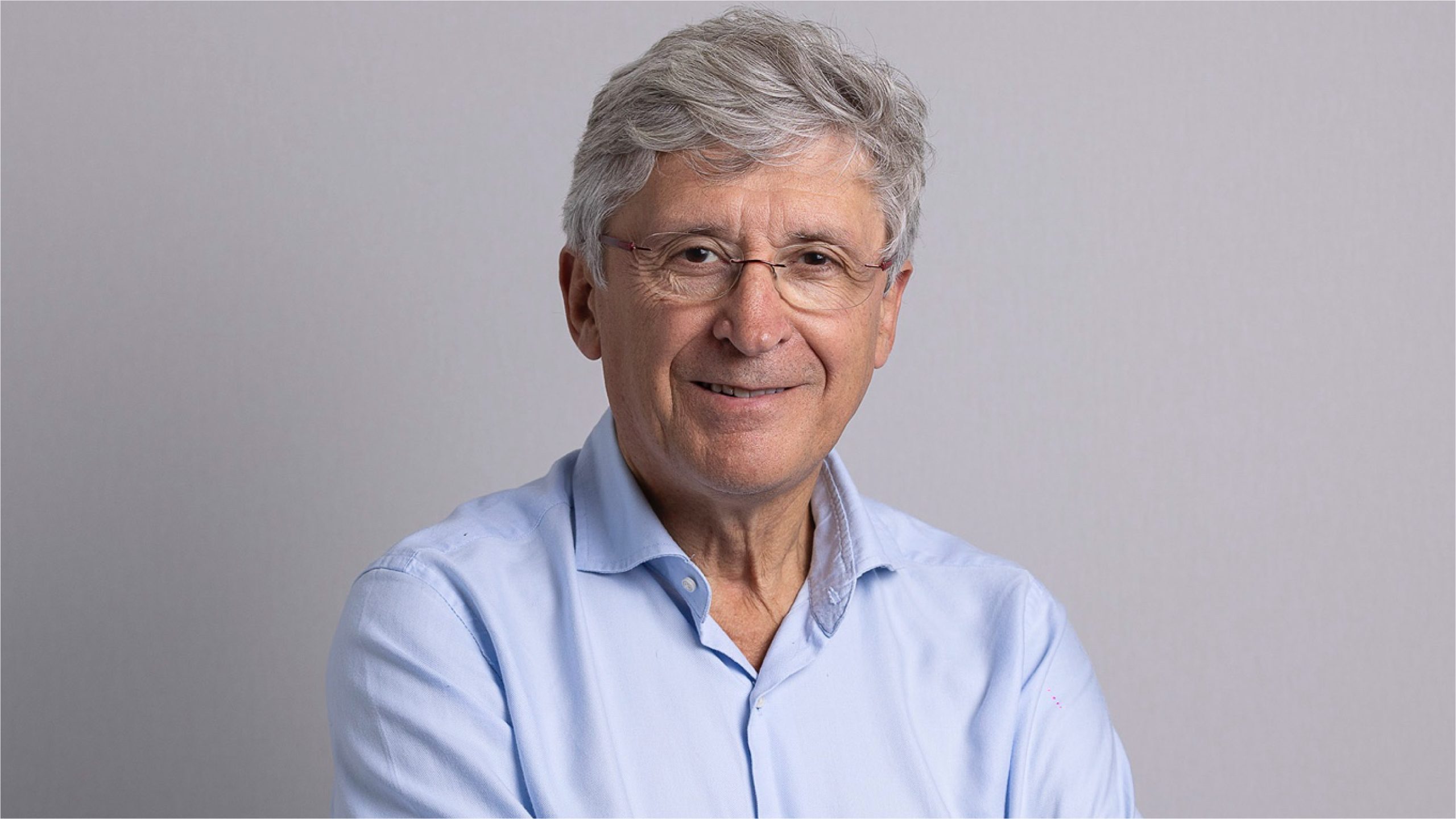
Francisco Carmona
What role does surgery play today?
“We’ve gone from operating on almost everything to operating on almost nothing. What really makes us decide that a patient will benefit from surgery is when her pain prevents her from leading a normal life and it doesn’t respond to medical treatment. The aim is to avoid resorting to surgery, which will always be limiting because, however skilled the surgeon may be, the operated ovary will be compromised. This means the patient may find it more difficult to get pregnant, may respond less well to fertility treatment, and the vital function of that ovary will cease sooner.” – Juan García-Velasco
“When there’s no alternative that works, surgery plays a fundamental role. For it to work well, the patient must enter the operating theatre not only to see how things stand but having previously undergone a full assessment. And it’s also very important for the surgery to be carried out by a team experienced in operating on endometriosis.” – Juan García-Velasco
“It’s important to bear in mind that, in the past, endometriosis was diagnosed via laparoscopy, a surgical procedure, but that has changed. Today diagnosis is possible using imaging tests.” – María Luisa Sánchez-Ferrer
How important is lifestyle?
“Endometriosis affects quality of life in every way, not just in the reproductive system. So, all complementary approaches can help improve that quality of life. For example, doing gentle exercise, such as Pilates or yoga, can improve mood. And the Mediterranean diet, rich in antioxidants and omega-3 fatty acids, can help reduce chronic inflammation. Physiotherapy is also important, as it can help release tension in certain areas and improve the subjective sensation of pain.” – María Luisa Sánchez-Ferrer
“A multidisciplinary team is what helps to complement the necessary medical or surgical treatment, including a psychological approach. The message is that these people are not alone, that it can be managed, that a lot of people are affected and that there are solutions.” – María Luisa Sánchez-Ferrer
Scientific advances in endometriosis
What innovations give cause for optimism in the field of endometriosis?
“I’m very optimistic, perhaps because I’ve witnessed a series of spectacular changes over the past 30 years. A great deal of work is being done in the fields of genetics, epigenetics, endometrial tissue and new drugs that are going to be released in the next few years…” – Francisco Carmona
“In terms of early diagnosis, there’s a lot of recent research on microRNA, the so-called liquid biopsy, which aims to understand whether we can look for molecules in the blood that tell us which women may develop endometriosis. There have also been advances in using genetics to help us understand which subtype of the disease we’re dealing with in each case.” – Juan García-Velasco
“If we’re late diagnosing the disease, we have a serious problem and we’ll need surgery; it’s worth thinking about preserving fertility and freezing oocytes before undergoing any surgery that may limit fertility. Fertility preservation is another field where significant progress is being made, and it can give some peace of mind ahead of such surgery.” – Juan García-Velasco
“Endometriosis is an enigmatic disease but now we finally have the tools to get to the heart of the matter and see why this condition actually occurs. Then we’ll be able to name the different types of endometriosis and adopt a more targeted approach for each one. At that point, artificial intelligence will help us; I’m certain of it.” – María Luisa Sánchez-Ferrer
Key messages regarding endometriosis
“Period pain is not normal. If it hurts, and especially if it hurts repeatedly, it needs to be investigated. Women shouldn’t simply accept that this is their lot in life and they have to put up with it. They should seek help, because delayed diagnosis is still a problem. In the past, it was women who were slow to seek medical advice but now it’s we doctors who are slow to respond. The more women demand that we treat them properly, the more effectively we’ll respond.” – Francisco Carmona
“Women suffering from endometriosis mustn’t give up. They deserve attention; effective treatments exist and, with the right support, they can lead a full life. They’re not alone; there’s a team of professionals at their disposal.” – María Luisa Sánchez-Ferrer
“There are things that become normalised but they aren’t normal. It’s important not to settle for less; if a doctor doesn’t listen to you, find another who will. Find one who’ll take a little time to understand why you’re in pain, who’ll explain what solutions are available and the alternatives you have. There are plenty of doctors like that, and very good ones, in this country.” – Juan García-Velasco