

The mosaic of health
Published on 07/04/2026
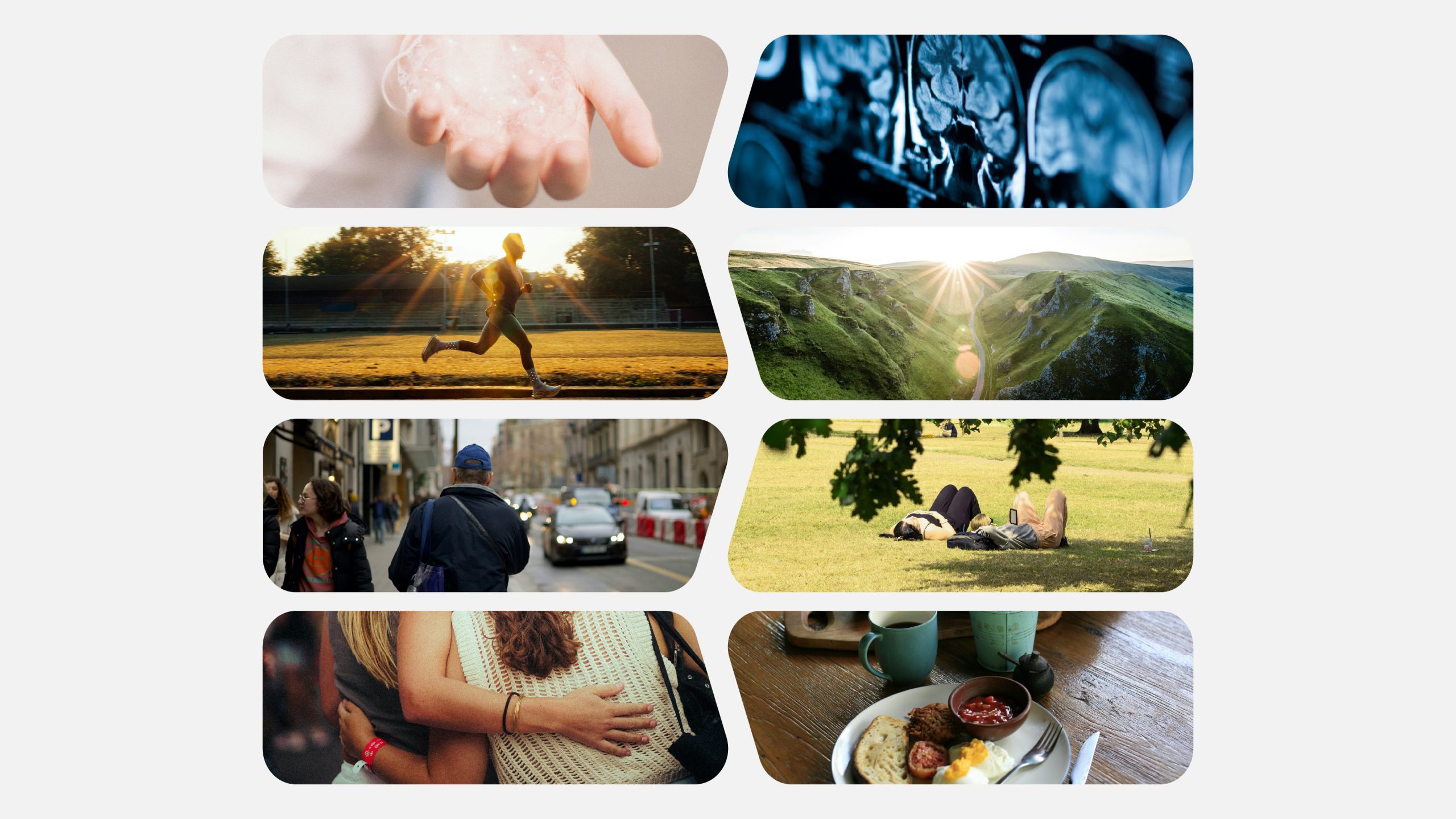
The World Health Organisation (WHO) defines health as a state of complete physical, mental and social well-being. But what happens when we broaden the scope of this definition and examine it from different disciplines and perspectives? And how can such health be achieved?
Beyond the obvious, health has many frontiers which are constantly being explored. The Colombian doctor Héctor Abad Gómez, a public health specialist and human rights activist, once said that “clean water saves more lives than the best of surgeons”. Because, if health is wellbeing, then it’s not only achieved by doctors and hospitals; it’s also shaped by those who design more in cities, those who research vaccines, those who ensure access to drinking water, those who farm sustainably, and those who educate to reduce inequalities. Among many others.
We spoke with researchers and fellows from our community, Laura Ciot, Marc Torrent, Héctor Huerga and Juan Argote, to explore these frontiers of health, find out what it means to them and discover the role their disciplines play in everyone’s health.
Maintaining balance
Marc Torrent is a researcher in biomolecular microbiology at the Autonomous University of Barcelona (UAB) and he believes that health is “a balance between the body and the environment”. He explains that “this balance depends on the body’s ability to adapt to physical, chemical and social changes.” Such changes, originating from the environment, can be caused, for example, by “pathogens, which constantly interact with our defences and with the microbiome that protects us. We remain healthy when these interactions remain in balance but when they’re disrupted, disease arises” explains Marc.
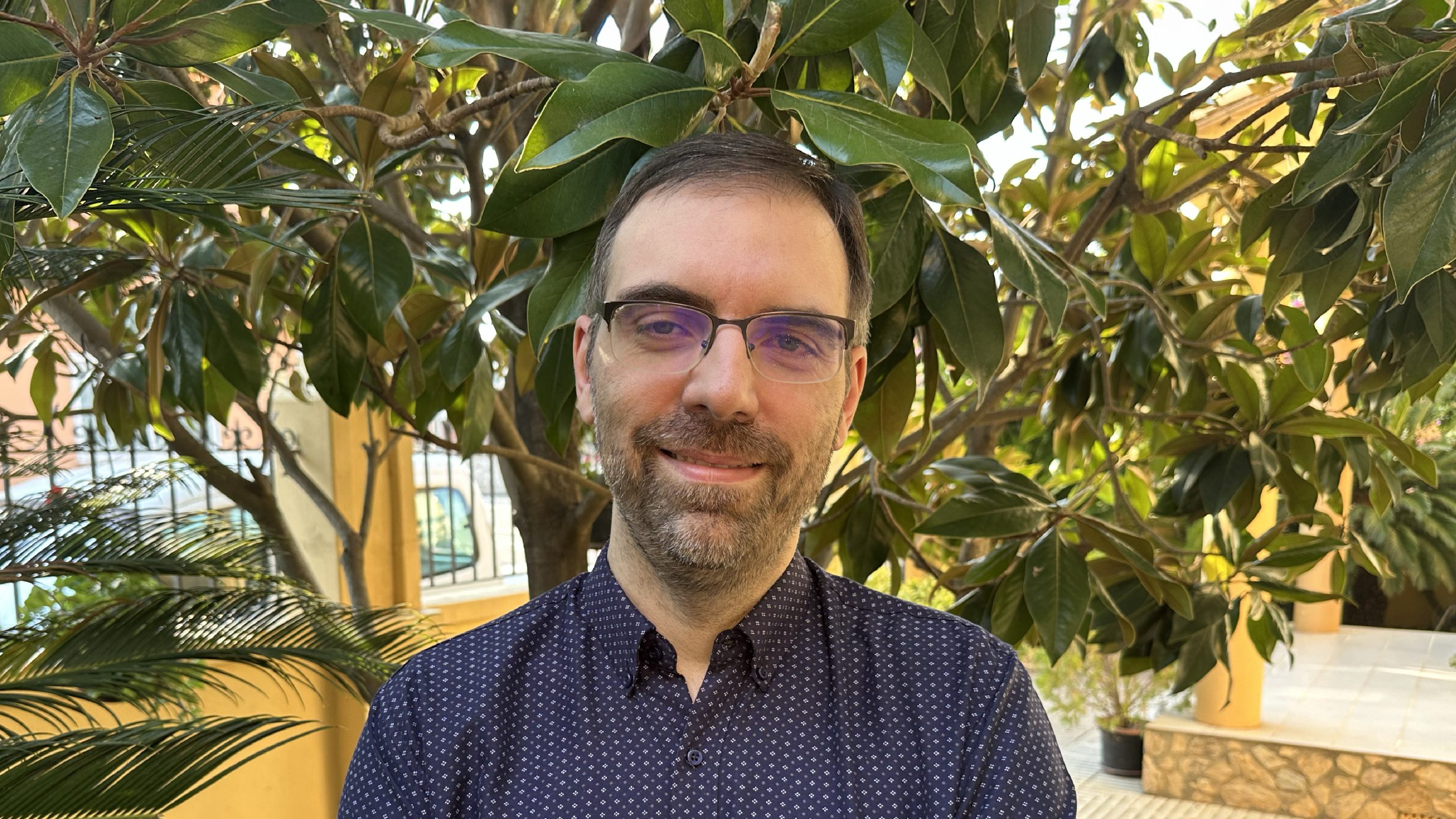
Marc Torrent
This is what Marc’s research focuses on. Thanks to a CaixaImpulse Health Innovation grant from 2025, his aim is to “understand how pathogens interact with the human body and what mechanisms they use to cause disease”. Traditionally, antibiotics can damage our microbiota and cause an imbalance by eliminating both harmful and beneficial bacteria. In his project, Marc tells us that “it analyzes how these interactions alter the balance between the host, its defences and the microbiome” in order to “design new antibiotics to control infection effectively whilst preserving the human microbiome, an essential component for maintaining health in the long term”.
One Health
For Laura Ciot, health is “the interconnected and interdependent wellbeing of humans, animals, plants and the ecosystem”. She’s a public health veterinarian and is pursuing her PhD at the Centre for Ecological Research and Forestry Applications (CREAF), thanks to a doctoral fellowship from ”la Caixa” Foundation.
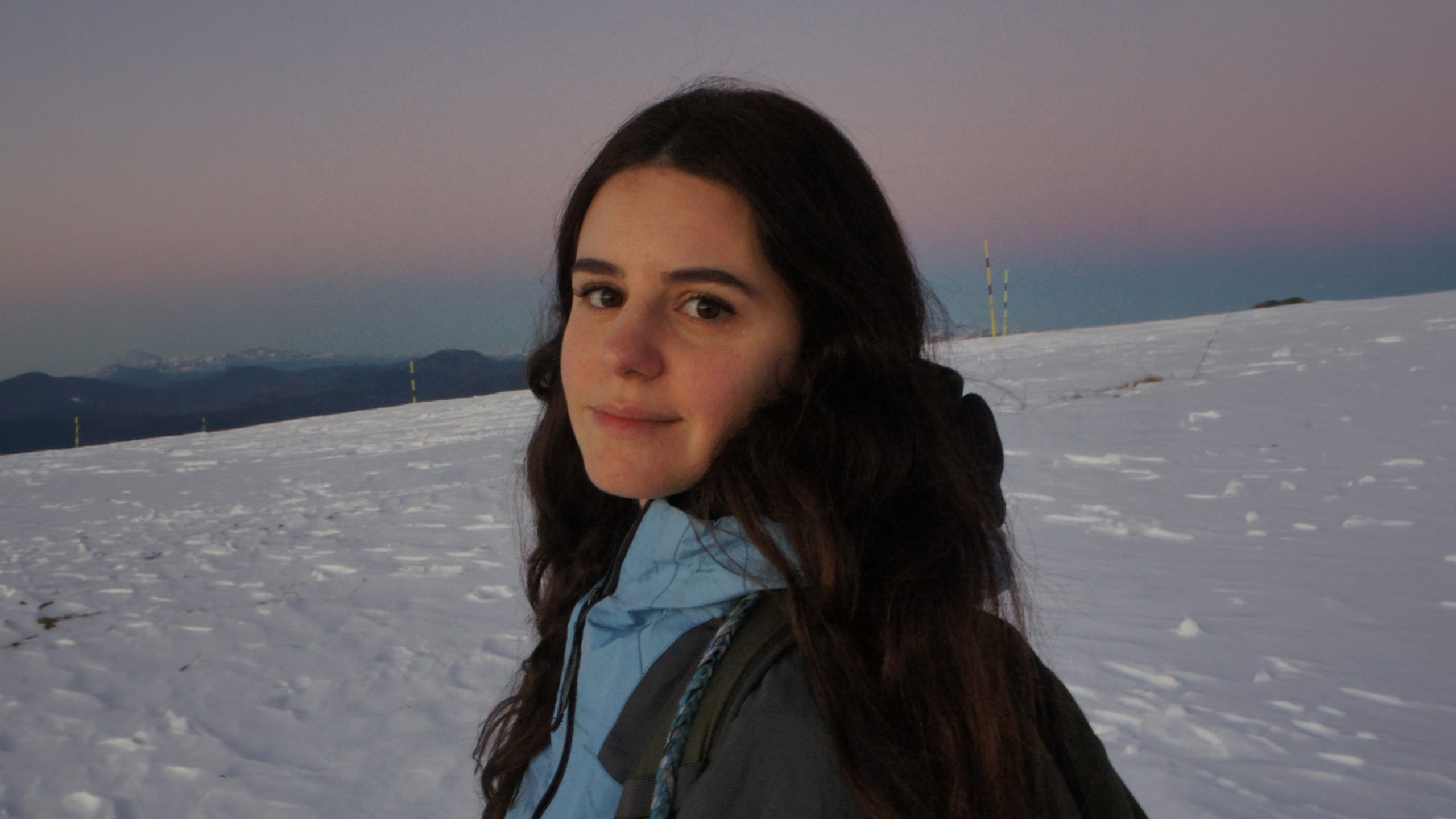
Laura Ciot
Her career path has led her to study and view health from a One Health perspective which “encompasses the balance and wellbeing of ecosystems and of humans, animals and plants”, she explains. She warns that exploiting ecosystems and their resources rather than preserving them and assessing our impact, means that “we upset the balance and create effects that inevitably affect human health”. One example of this is the agrifood sector, which, in its quest to maximise production, “has caused serious consequences: soil degradation, chemical pollution and loss of biodiversity”, explains Laura. The doctoral thesis she’s working on analyses the effects of pesticides on bees with a view to mitigating, preventing and avoiding the decline these products cause in pollinators. In this way, she’s helping to build a more sustainable food system.
Getting ahead of diseases
From Héctor Huerga’s professional perspective, health is “a dynamic balance of the immune system over time”. As an immunologist, he notes that “our immune system is constantly adapting to the environment and to internal processes such as ageing”, which is why “health isn’t a fixed state but a dynamic balance that changes over time”.
“Remaining healthy means this system functioning in equilibrium: responding when necessary and avoiding overreaction. When this balance is disrupted this can lead to inflammatory diseases, infections and cancer”, Héctor emphasises.
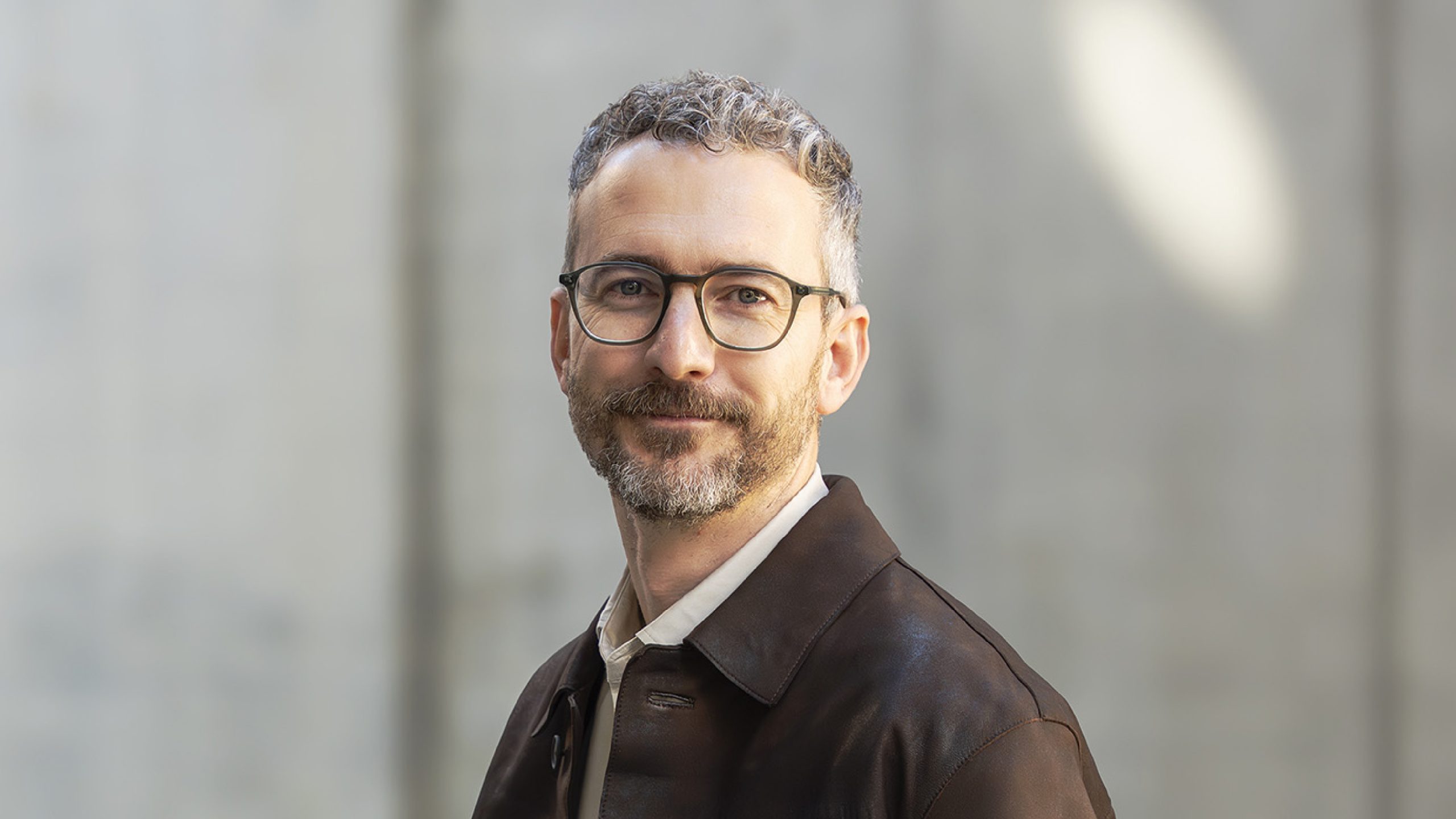
Héctor Huerga
But what can upset this balance? As a scientist, Héctor is studying how mutations that accumulate in blood stem cells affect the immune system; it is a process known as clonal haematopoiesis, which has been linked to an increased risk of cardiovascular and inflammatory disease, as well as cancer. He explains that “understanding these mechanisms enables us to identify new strategies to detect such alterations early and develop personalised treatments that help prevent or reduce their impact on public health”. For this reason, since December he’s continued his research at the CaixaResearch Institute as a Junior Group Leader, identifying markers that can predict which individuals will develop conditions associated with clonal haematopoiesis.
Transport as a driver of wellbeing
“Health is the ability to live the life you choose” says Juan Argote, Director of Data Solutions at Aurora. From the transport sector, Juan links wellbeing with free access to different options. “This also applies to how we get around: a healthy transport system is one that connects people with opportunities (work, education, community) through a wide range of alternatives. And ensuring access regardless of income or location broadens life’s possibilities and contributes towards our physical, mental and social wellbeing” explains this ”la Caixa” Foundation fellow.
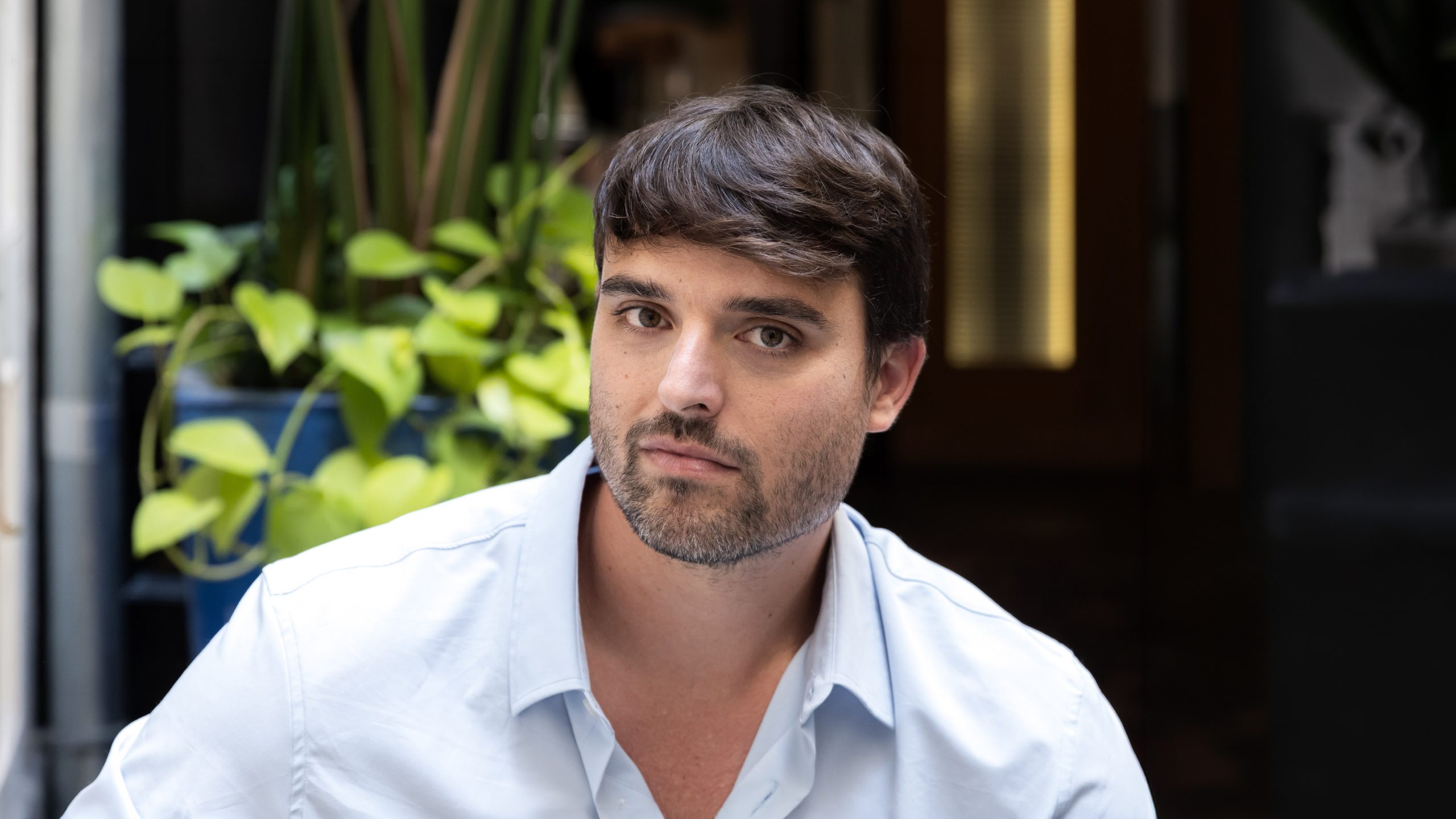
Juan Argote
By developing autonomous vehicles, Juan explores how technology can democratise mobility for those who can’t drive, as well as drastically reduce accident rates. He explains that “automation has the potential to significantly reduce road accidents by eliminating risk factors such as fatigue or human distractions. On a large scale, this not only saves lives but also helps to create safer, more efficient cities with less strain on healthcare systems”.
And, for you, what is health?
Health can be viewed from the most intimate level — the body and individual health — or from a collective dimension right up to a broader perspective: the health of the planet we inhabit. Because human wellbeing can’t be separated from the state of ecosystems or the relationship we maintain with other species and with our environment.
At ”la Caixa” Foundation, we support people and projects working in the field of health and contributing to the wellbeing of society.
Because health is not just the absence of illness or disease. Health is a mosaic created by all of us together.