

Why are allergies becoming more common?
Published on 21/05/2026

The weather’s getting warmer so you step outside and spring’s in the air; everything’s green, bright and blooming. You take a deep breath and… you sneeze. With the arrival of the new season, one word is on everyone’s lips wherever you go: allergy.
But what many people experience as a seasonal nuisance is actually a condition afflicting an increasing number of people all year round. The fact is that allergies have risen dramatically in recent decades and are still far from reaching their peak. Today, it’s estimated that allergic rhinitis affects 32% of Europe’s population, whilst the World Health Organisation estimates this figure could reach 50% of the global population by 2050.
What lies behind this increase? What role is played by our lifestyle and the environment? How does this phenomenon affect us biologically and socially? And, above all, what answers are being discovered by medical research so we can better understand and curb it?
To explore these questions, we spoke to three leading figures in the field: Laia Alsina, a ”la Caixa” Foundation fellow and Head of the Allergy and Clinical Immunology Department at Sant Joan de Déu Barcelona Hospital; her colleague Jaime Lozano, Head of the Allergy Unit at the same centre; and José Chen, a doctor and researcher specialising in Public Health at the Barcelona Institute for Global Health (ISGlobal).
A symptom of a transition
“Ultimately, an allergy is a loss of tolerance” explains Laia Alsina. “The immune system interprets something it should recognise as harmless as dangerous. This can happen in response to different substances, for a variety of reasons and in different parts of the body: from respiratory and food allergies to dermatitis and skin reactions”.
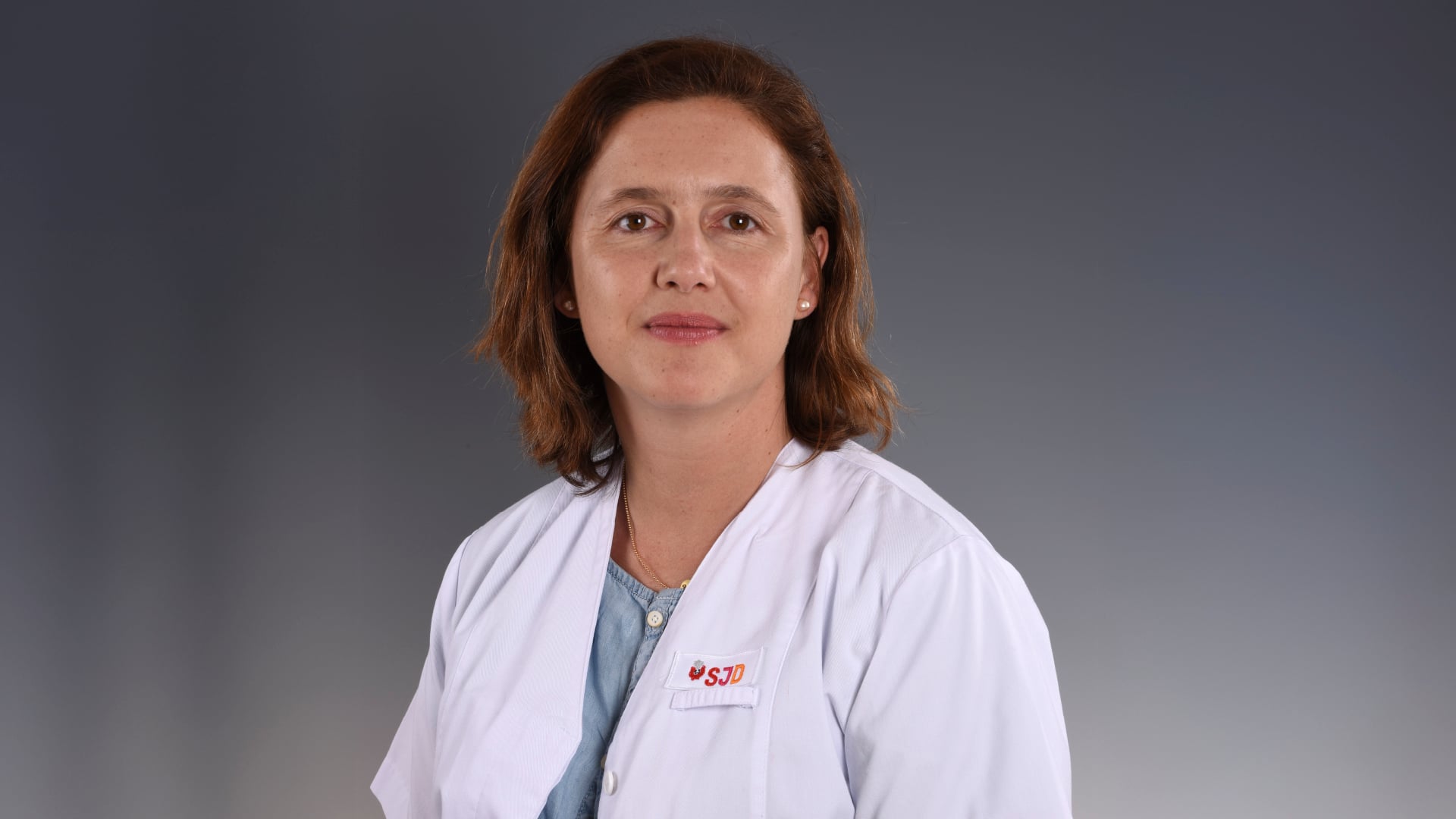
Laia Alsina
“The increase in patients we’re seeing is widespread across all types and it isn’t restricted to just spring” notes Alsina. Within this panorama, “the most striking increase has been in food-related cases: from 4% in 1992 to 11.4% in 2015” says Jaime Lozano.
The pattern is particularly evident in certain groups and contexts. “We’re seeing a sharper rise among children, in urban settings and in contexts of rapid environmental change” comments Alsina. “And there are increasingly more cases of allergies overlapping with inflammation, autoimmunity, recurrent infections and digestive disorders”. Laia believes this isn’t an isolated phenomenon: “I’d frame it as part of a broader epidemiological transition. It’s not just allergies that are on the rise; so too are respiratory and digestive diseases linked to the environment and changes in the microbiome, epithelial barriers and immune regulation”.
A problem of education?
For years, the most widely accepted explanation for this rise was the so-called hygiene hypothesis, according to which the increasingly sterile environment of modern societies deprives the immune system of the stimuli necessary for it to develop properly, making it more prone to overreacting.
This idea has since evolved. “Current theories are more sophisticated than the idea of ‘too much hygiene'” Alsina clarifies. “It’s true that the immune system needs early and diverse exposure to beneficial microorganisms so it can learn to tolerate them. And that, in urban environments, we’ve reduced our contact with biodiversity, soil, animals, vegetation and environmental microbiota. But it’s also true that we use more antibiotics and have more highly processed diets. All this can impoverish the microbiome and hinder the development of regulatory immune circuits. That’s why I prefer to talk about a loss of biodiversity or a loss of immune education”.
The science of exposure
Added to this lack of training is a factor that’s global in scope: climate change. Drawing on the findings of the Lancet Countdown 2026 Report, its co-author José Chen outlines a clear list of aggravating factors.
“On the one hand, hot seasons are arriving earlier and lasting longer. This rise in temperatures allows plants that are native to warmer regions to spread to higher latitudes, exposing populations to allergens they didn’t previously encounter”.
“Furthermore, there’s more CO₂ in the atmosphere, which stimulates photosynthesis: plants grow more. At the same time, high temperatures encourage more intense and prolonged reproductive cycles in some species”.
“The result” concludes Chen “is growing allergenic pressure: more intense, longer-lasting and affecting an ever-increasing number of people”.
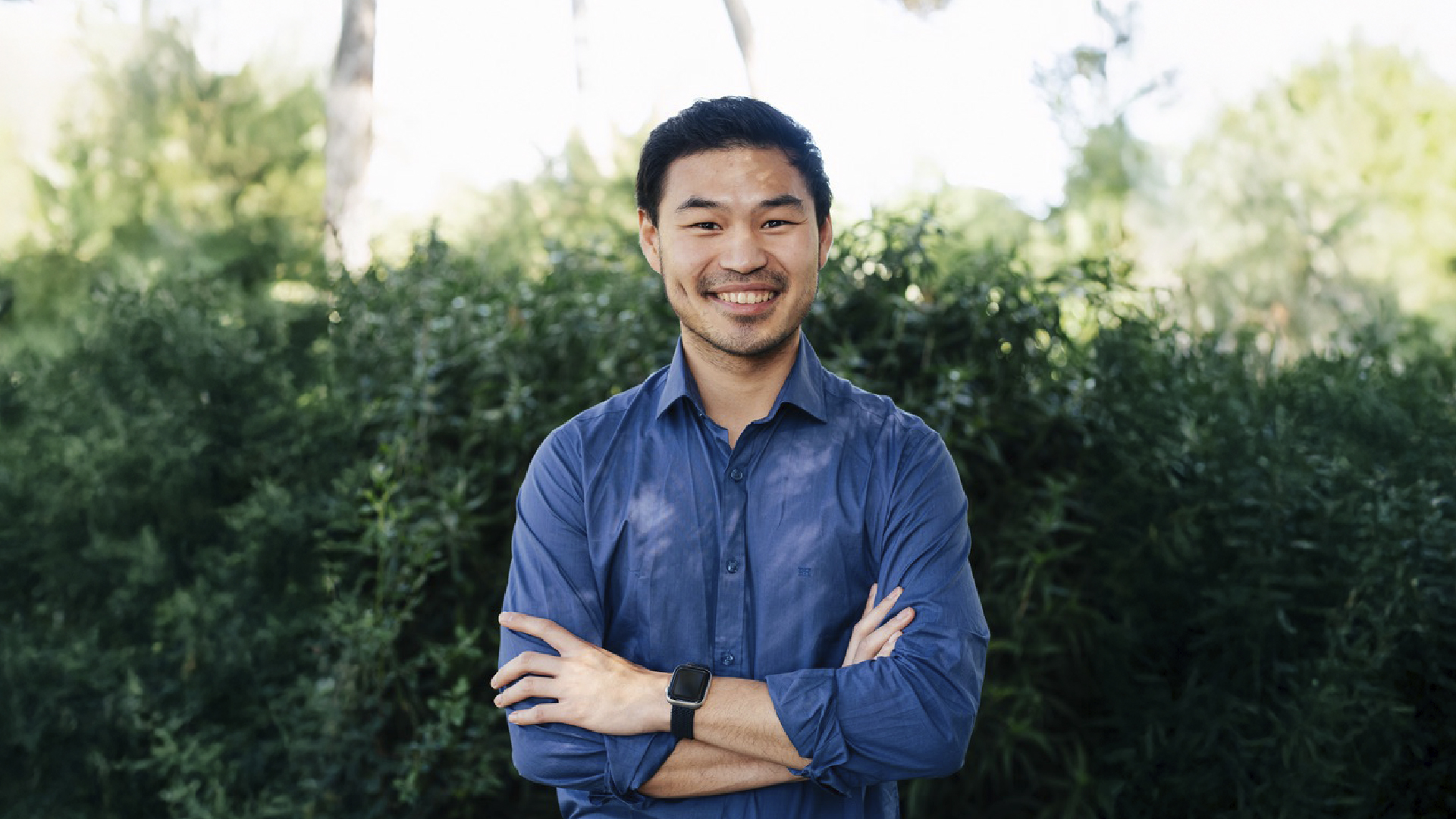
José Chen
Pollution, one of the causes of this situation, further exacerbates its consequences on the body. “Pollutant particles adhere to pollen and make it more irritating to the airways, damaging our defences and increasing the risk of asthma attacks” points out Chen.
The impact is direct. “First, the respiratory, skin and intestinal barriers, which are the first lines of immune defence against the environment, are damaged” explains Alsina. “This damage promotes a low-grade inflammatory state that can facilitate allergic responses and a loss of tolerance”.
This is why allergies are now approached from two perspectives that go beyond traditional clinical practice: the study of all the elements to which we’re exposed throughout our lives and their impact on our biology (known collectively as the exposome), and environmental immunology.
Immunology as a paradigm shift
For decades, treating an allergy meant, above all, avoiding the allergen and relieving the symptoms. Today that view has become obsolete. “Immunology has allowed us to stop viewing allergies as a simple reaction to an allergen and to understand them as a disruption of the immune ecosystem” explains Alsina. “The question is no longer just which allergen is causing the symptoms but also why that child has lost tolerance, which barrier has been compromised, what their microbiome is like, which inflammatory pathway predominates, and which biomarker can guide treatment”.
The bridge between that scientific knowledge and its practical application has a name: translational research. “It links clinical questions with the laboratory and provides answers for the patient” explains Alsina. This area of intersection is precisely the focus of the CaixaResearch Institute, the new centre for translational immunology research set up by ”la Caixa” Foundation. A place designed to bridge the gap between scientific discovery and clinical impact in complex diseases, through three research areas: immunology and its relationship with health and disease; exposomics; and systems immunology.
“As a former postdoctoral fellow of ”la Caixa” Foundation, this point is particularly important to me” explains Laia. “Investing in immunology means investing in a discipline that connects allergy, autoimmunity, infections, cancer, vaccines, the microbiome and advanced therapies”.
Better treatment, earlier
In clinical practice, this paradigm shift is already being translated into new tools. “Until recently we had antihistamines, which relieve the symptoms but don’t, on their own, alter the immunological course” says Alsina. “The future lies in promoting the restoration of tolerance and modulating the immune response”. In practice, this means “introducing allergens from an early age, taking preventive care of the skin, and even treatment with respiratory and oral immunotherapy, biological drugs that block specific immune responses, and using biomarkers that enable us to select the most appropriate treatment for each patient” Lozano explains.
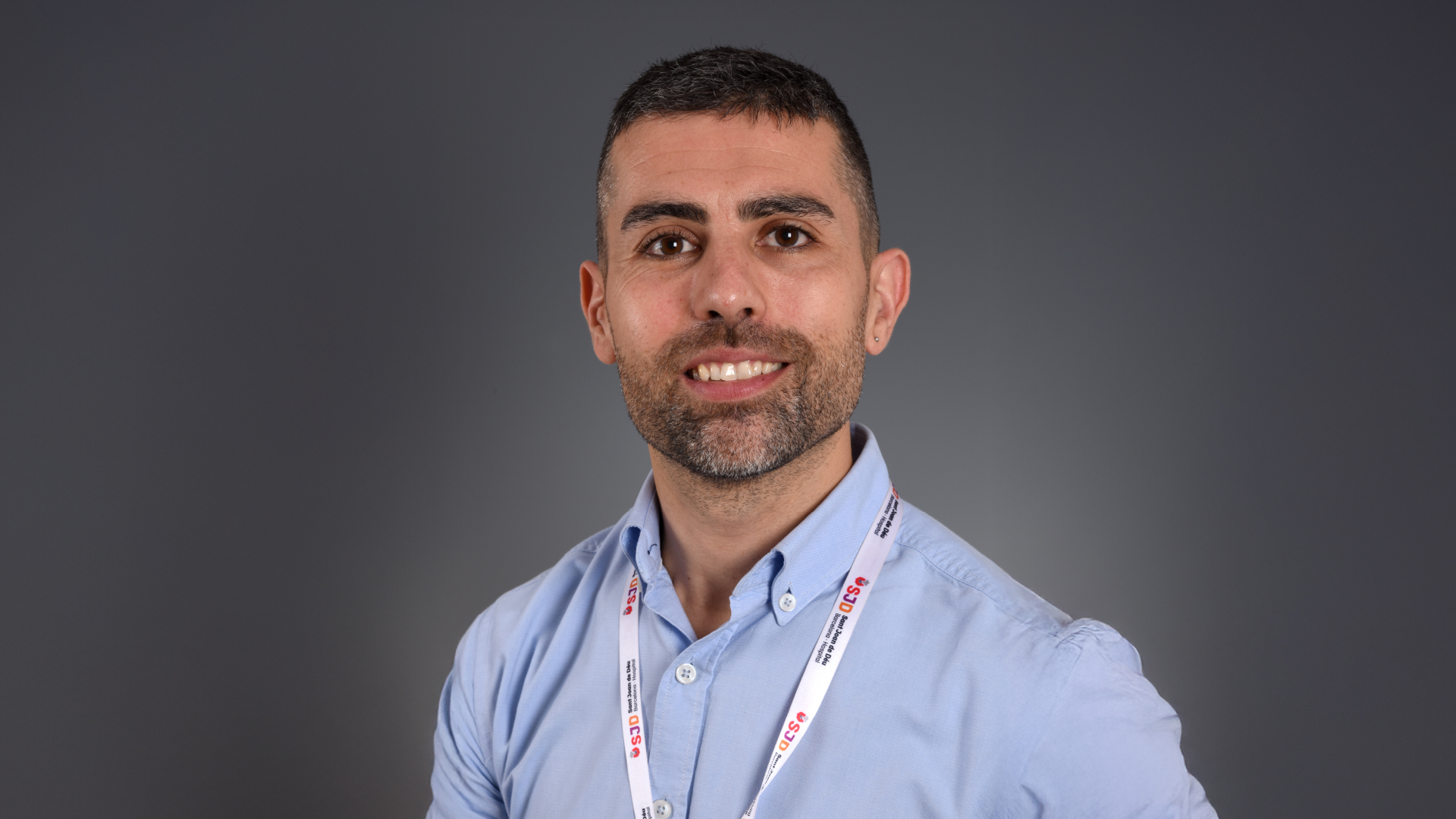
Jaime Lozano
“Now we’re not only trying to ensure the patient tolerates a larger amount of allergen but also to understand what changes occur in their immune system” adds Alsina. “That’s where the scientific potential lies, in moving from general protocols to personalised immunotherapy“.
A future without allergies?
Eradicating allergies completely is probably unrealistic. “They’re multifactorial diseases” acknowledge Alsina and Lozano. But the outlook is far from bleak. “It’s possible to prevent severe forms, anticipate the risk and treat them more effectively”.
To achieve this, it will be necessary to combine public and environmental health with precision immunology: “reducing pollution, protecting biodiversity, improving maternal and child health, looking after the microbiome and epithelial barriers, and identifying biomarkers to apply immunotherapy or biologics in a personalised way” says Laia. And paediatrics occupies a strategic position in this endeavour. “We have a unique window of opportunity, because the immune system is still learning”.
Chen is equally clear from an environmental perspective. “There’s a small window of opportunity to act. Curbing the rise is possible if we implement real measures against climate change and pollution”.
“Beyond the biological impact, there’s also a human and social cost that’s often underestimated and it needs to be addressed through public policy” explains Chen. “Allergies, such as environmental ones, can last for weeks or months. They affect our daily life: congestion, itchy eyes, tiredness, difficulty sleeping; they reduce performance at work or in studies; they increase absenteeism and generate considerable healthcare costs and losses in productivity”.
And, as is so often the case with health conditions, “the impact is greater on people with fewer resources, who tend to live in more polluted areas, suffer more severe symptoms and face greater barriers to accessing healthcare”.
For Lozano, the ultimate goal of all research is specific and human-centred. “No-one’s life should be restricted by fear, unnecessary constraints or uncontrolled risk”. And the key to achieving this has a name: “personalisation. Every patient has a different risk profile, family, environment and phenotype, and we must learn to take this into account”.
Spring comes every year. But the way in which medicine, research and public policy tackle allergies is changing: with more tools, greater collaboration and an ever-greater understanding of what happens when the immune system, instead of protecting us, puts us on guard against the world.
If you’d like to know more, Dr. Laia Alsina has provided us with some recommendations and resources:
- Sant Joan de Déu – School of Health. Respiratory allergies
- Sant Joan de Déu – School of Health. Food allergies
- Sant Joan de Déu – Centre of Excellence in Immunology (CIS-UB)
- Sant Joan de Déu – Allergy and Clinical Immunology Clinic
- Sant Joan de Déu Research Institute – Allergic diseases in childhood and adolescence
- Sant Joan de Déu Research Institute – Study of Immune Dysfunction Diseases in Paediatrics (GEMDIP)