

Sleep health
Published on 27/05/2026
There’s a misconception that poor sleep forms an inevitable part of ageing or of times such as pregnancy and perimenopause, or that we can cut back on sleep to boost productivity, without realising that chronic sleep deprivation compromises our health.
Sleeping well isn’t just about resting the body: it’s a basic, essential need that protects our brain. Through the expert insight of Dr. Ana Fernández Arcos, a neurologist and researcher at the Barcelonaβeta Brain Research Center (BBRC), we explore how the quality of our sleep today acts as a barrier against cognitive decline and Alzheimer’s.
Sleep: an active process of self-care
Far from being a passive state, sleep is essential for restoring vital functions. As Ana explains, “it’s an active process in which multiple bodily functions are regulated and optimised. During sleep, the brain reduces its consumption of oxygen and glucose, regulates the immune system and activates the glymphatic system, which is responsible for removing metabolic waste from the brain” details the neurologist.
Furthermore, sleep is essential for our cognitive capacity, as it helps to “consolidate the memory, maintain performance and regulate the emotions properly” says Ana. However, it’s not enough simply to sleep; the quality of our sleep matters, i.e. sleeping enough hours on a regular basis and without long interruptions. A good indicator is “feeling rested upon waking and remaining functional throughout the day without the need for stimulants”.
Sleep disorders may not always be obvious but they can have a long-term impact on health. “Obstructive sleep apnoea can go unnoticed in people who sleep alone” warns the neurologist. She therefore stresses that when there are problems, it’s vital to complement subjective perception with objective clinical assessments such as actigraphy or polysomnography, which enable the analysis of critical phases such as slow-wave sleep.
Sleep to ward off cognitive decline and neurodegeneration
It’s vital to differentiate between changes associated with normal aging and those associated with pathological ageing. As Ana explains, whilst ageing may bring about reduced mental agility that doesn’t interfere with daily life, true cognitive decline is persistent and progressive. And sleep is a determining factor in this process: in the short term, a lack of sleep affects our attention and working memory; in the long term, both insufficient sleep and sleeping for too long (hypersomnia) are linked to structural changes in the brain and future cognitive decline. Furthermore, the researcher points out that poor sleep health is associated with a greater accumulation of beta-amyloid protein, one of the hallmarks of Alzheimer’s disease.
Research led by Dr. Oriol Grau at the BBRC has revealed that we’re not all equally vulnerable. Ana points out that “women appear to be more susceptible to the consequences of poor sleep”, showing a greater effect of fragmented sleep on brain structure and greater cognitive impact from insomnia and sleep apnoea. Ana adds that age also dictates specific patterns: whilst among those aged 50 to 64 the risk is associated with extreme amounts of sleep (less than 7 hours or more than 9), from the age of 65 onwards there’s greater evidence of an association between hypersomnia and cognitive decline.
The relationship between sleep disorders and Alzheimer’s is, in the neurologist’s words, “bidirectional”: sleep disorders are risk factors for neurodegenerative disease and, in turn, the disease itself alters the quality of sleep. When the glymphatic system, which is more active during slow-wave sleep, fails, it promotes an accumulation of harmful beta-amyloid and tau proteins. Finally, the expert warns that these changes could appear even before any clinical symptoms, acting as early indicators. She therefore advocates early intervention: “screening for sleep apnoea should be carried out in every initial assessment.”

Ana Fernández Arcos
Research for a healthier future
Ana’s research aims to decipher how sleep can act as an early biomarker, helping to identify abnormalities before the first symptoms of disease appear. To do so, she uses an approach that combines the patient’s perception with objective measures such as actigraphy, sleep apnoea studies and polysomnography. “We focus particularly on studying sleep as a risk factor for neurodegenerative diseases” explains the neurologist, analysing critical variables such as duration, fragmentation and the proportion of slow-wave sleep.
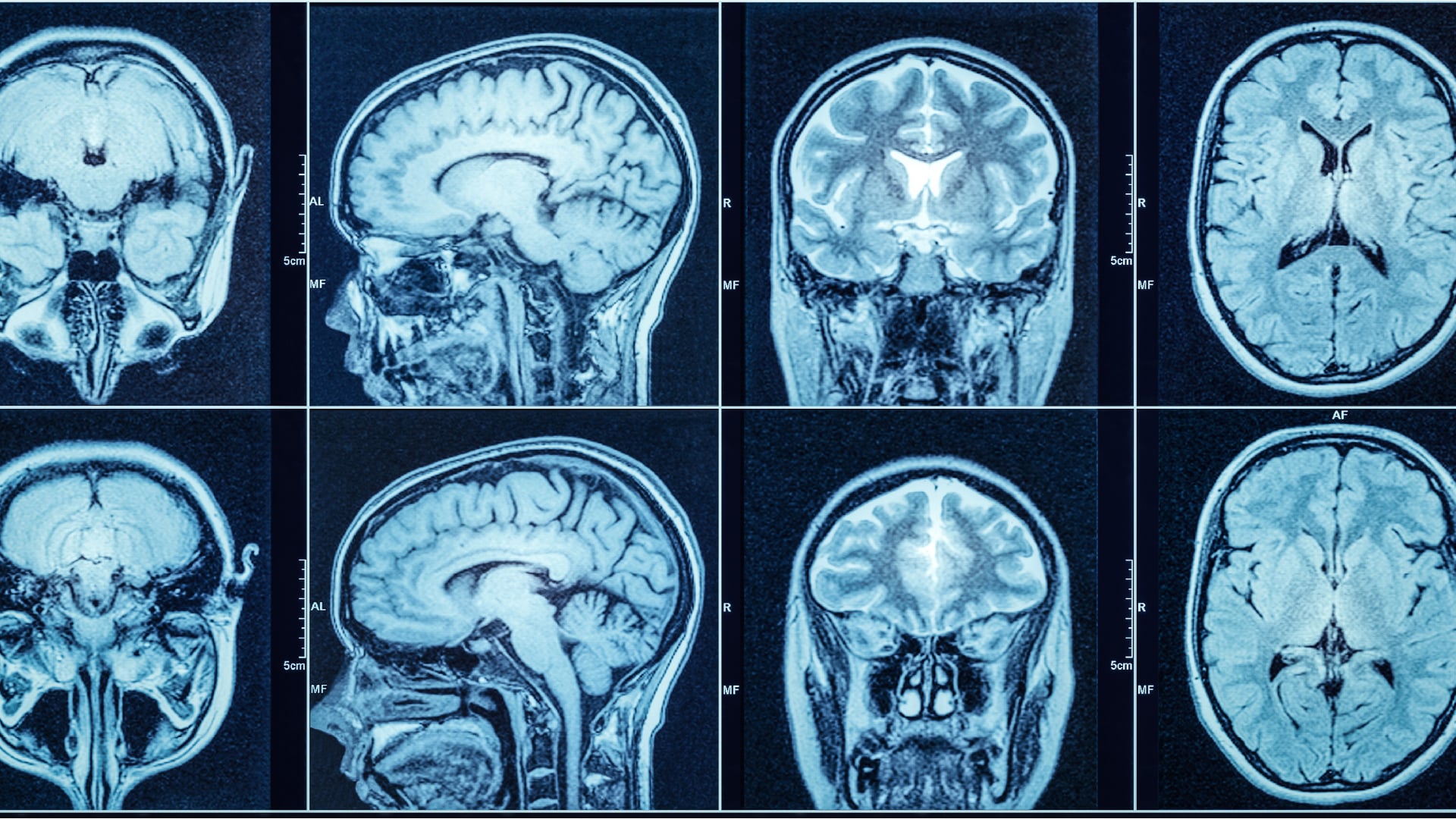
As part of this research, the BBRC’s ALFA cohort comprises a group of 500 healthy individuals, all descendants of Alzheimer’s patients, who form part of a study funded by ”la Caixa” Foundation aimed at the early detection of biomarkers for this disease. The cohort is key to this research as it allows for a longitudinal study of changes in sleep during ageing, particularly in the preclinical stages of Alzheimer’s. “Thanks to these data, we’ve been able to observe that insomnia is associated with structural changes in the brain, detected by MRI” notes the doctor. She concludes that “the participation of volunteers enables us to analyse sleep as a potential early window for detecting brain changes”, paving the way for effective preventive strategies.
A new fundamental aspect of health
Sleep is set to take centre stage in preventive medicine and the neurologist and researcher predicts a paradigm shift: “It will likely establish itself as a fundamental aspect of health, on a par with diet and exercise. We’ll move towards a more preventive approach, in which sleep will be a tool for optimising brain health and reducing the risk of disease.”