

Snapshot of the Month: ‘Secret Patterns of Being’
Published on 19/05/2026
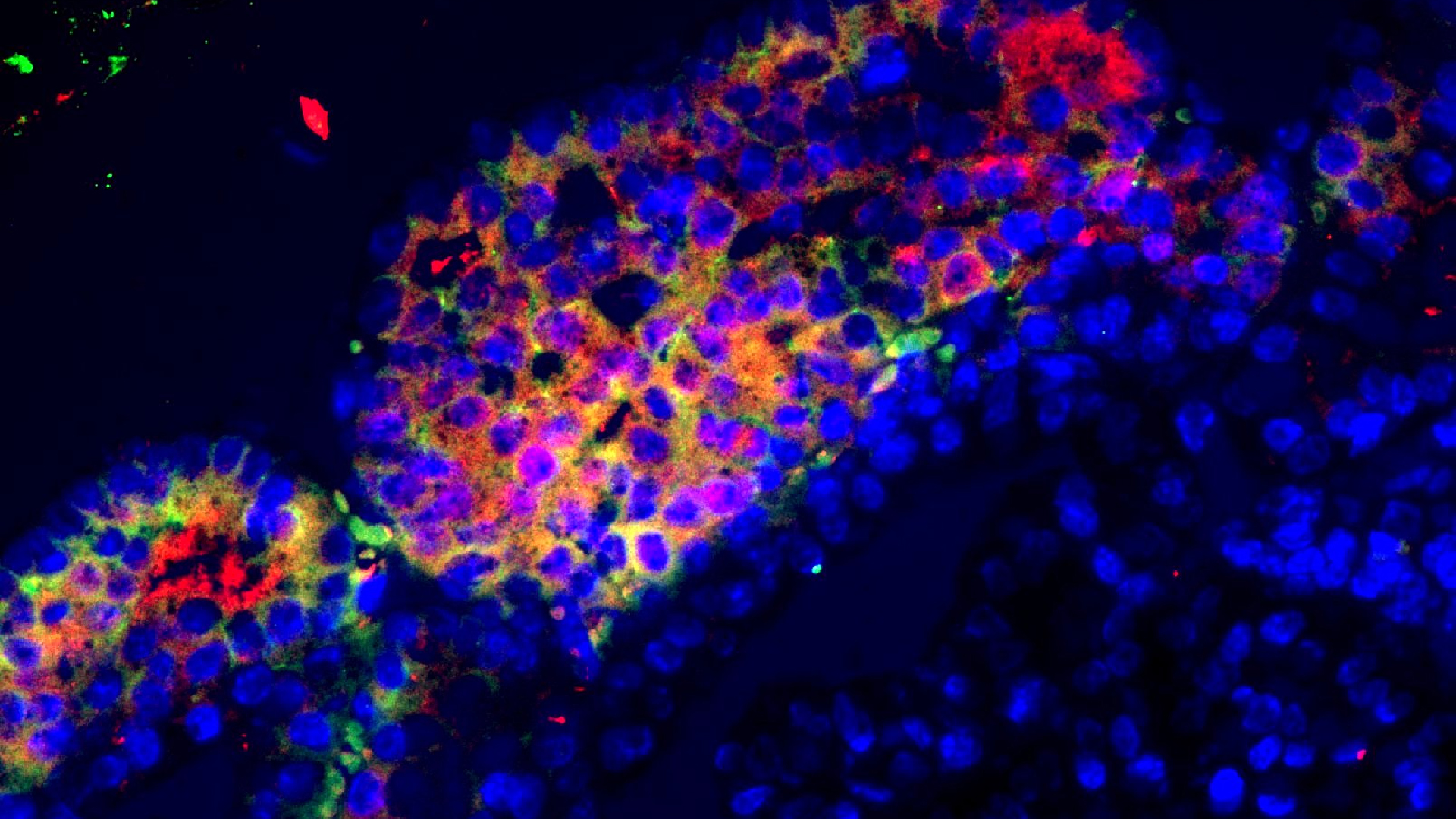
What do a micrograph of a cell and a Persian rug have in common? At first glance, both are geometric representations of a fabric, a weave of chromatic patterns.
In this instalment of Snapshot of the Month, we’ll discover how this metaphor is connected through the symbolism of cinema and what the study to which the image belongs has actually revealed. For behind the apparent stillness of this image lies a cellular ‘battle’ worthy of a film script, with its heroes, its villains and a narrative tempo that sets the pace. In this case the actors are senescent cells, veritable ‘zombie cells’ that stop dividing but don’t die. This phenomenon represents a double-edged sword in a tumour environment: it’s beneficial initially because it acts as a brake on the division of damaged cells that would feed the tumour, but in the long term they accumulate and release inflammatory substances, ultimately creating conditions that help the tumour to grow. A new study has revealed a twist to this plot, however, with the entrance of new players involved in the tumour’s development.
To explore this snapshot taken by the study published in Science Advances and carried out at the Vall d’Hebron Institute of Oncology (VHIO) and the Hospital del Mar Research Institute (HMRIB), we combine two perspectives. We have the scientific perspective of the researchers involved in the study in question, members of the HMRIB’s Immune Redirection research group: Joaquín Arribas, Group Leader, Health Research Director and Researcher; Pau Garcia Baucells, a member of ”la Caixa” Foundation’s fellowship community and a PhD student in cancer immunotherapy; and Marta Lalinde, a Postdoctoral Researcher with a dual affiliation at HMRIB and VHIO and first author of the article. And we also have the artistic perspective of filmmaker Andrea Nouga Feliu, who’s currently studying for an MA in Filmmaking at the London Film School, thanks to a postgraduate fellowship abroad from ”la Caixa” Foundation.
Let’s start with her.
Andrea, what cinematic references does this image bring to mind for you?
Andrea (A): The chromatic intensity of the image, as well as its organisation into dense patterns, brings it unexpectedly close to certain contemporary Iranian visual traditions in which colour, repetition and abstraction serve to convey meaning. The image brings to mind Mohsen and Makhmalbaf’s film Gabbeh (1996), due to its use of saturated colours emerging from the darkness.
Andrea Nouga Feliu
It reminds me of the way the film depicts human emotions and an individual’s journey within their social context through the intensity of the colours and their varying shades. The narrative arises from a nomadic carpet (gabbeh), whose colours and repetitive motifs contain stories of love, memory and desire, becoming a visual language. In a similar way, the micrograph shows a vibrant surface where cells stained in blue, red and yellow tones are organised like a microscopic tapestry which, although it doesn’t have an intentional narrative, invites interpretation.
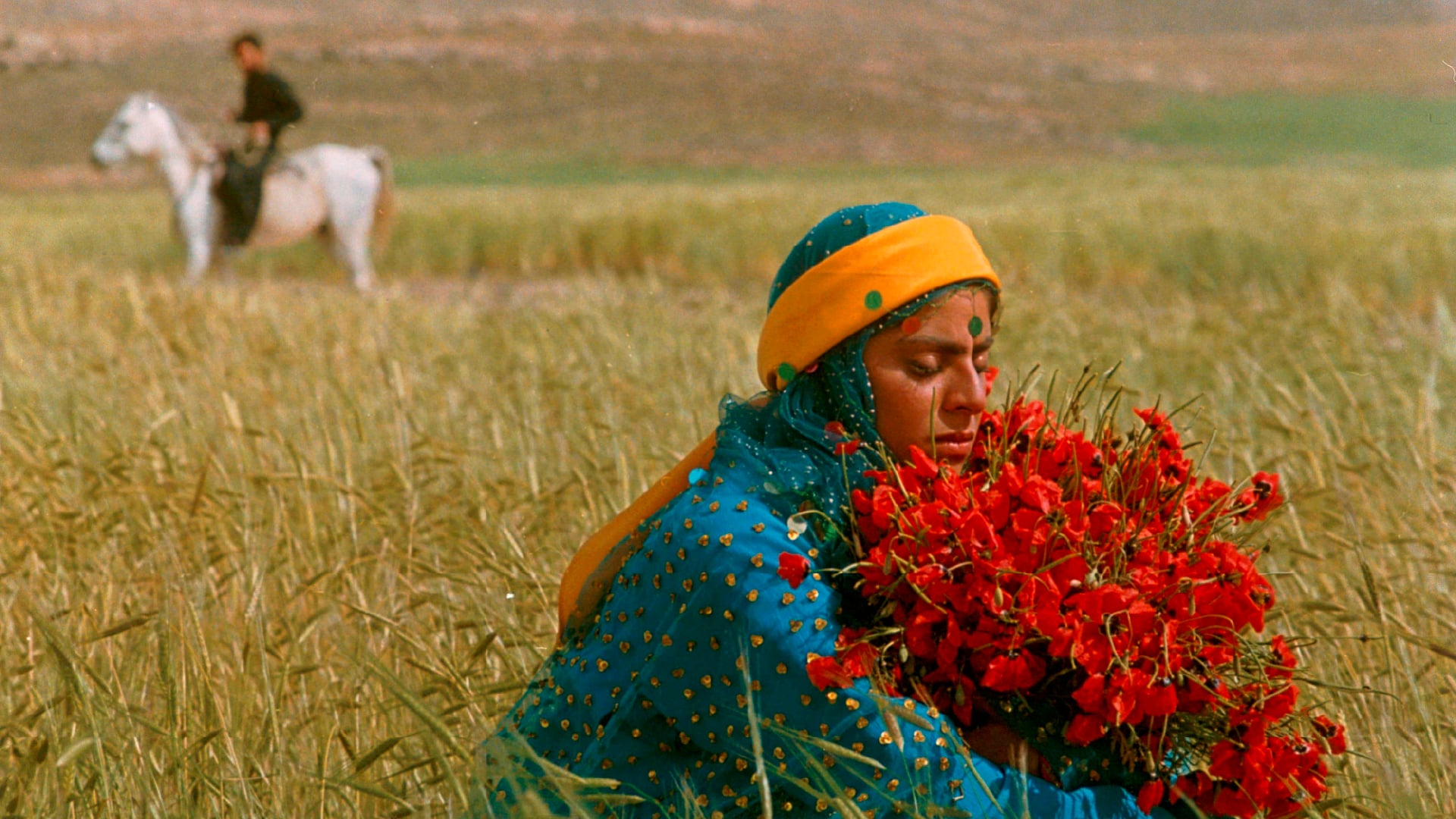
Still from Gabbeh (1996), directed by Mohsen Makhmalbaf. Co-production and distribution by © MK2 Diffusion / Source: BAM (Brooklyn Academy of Music)
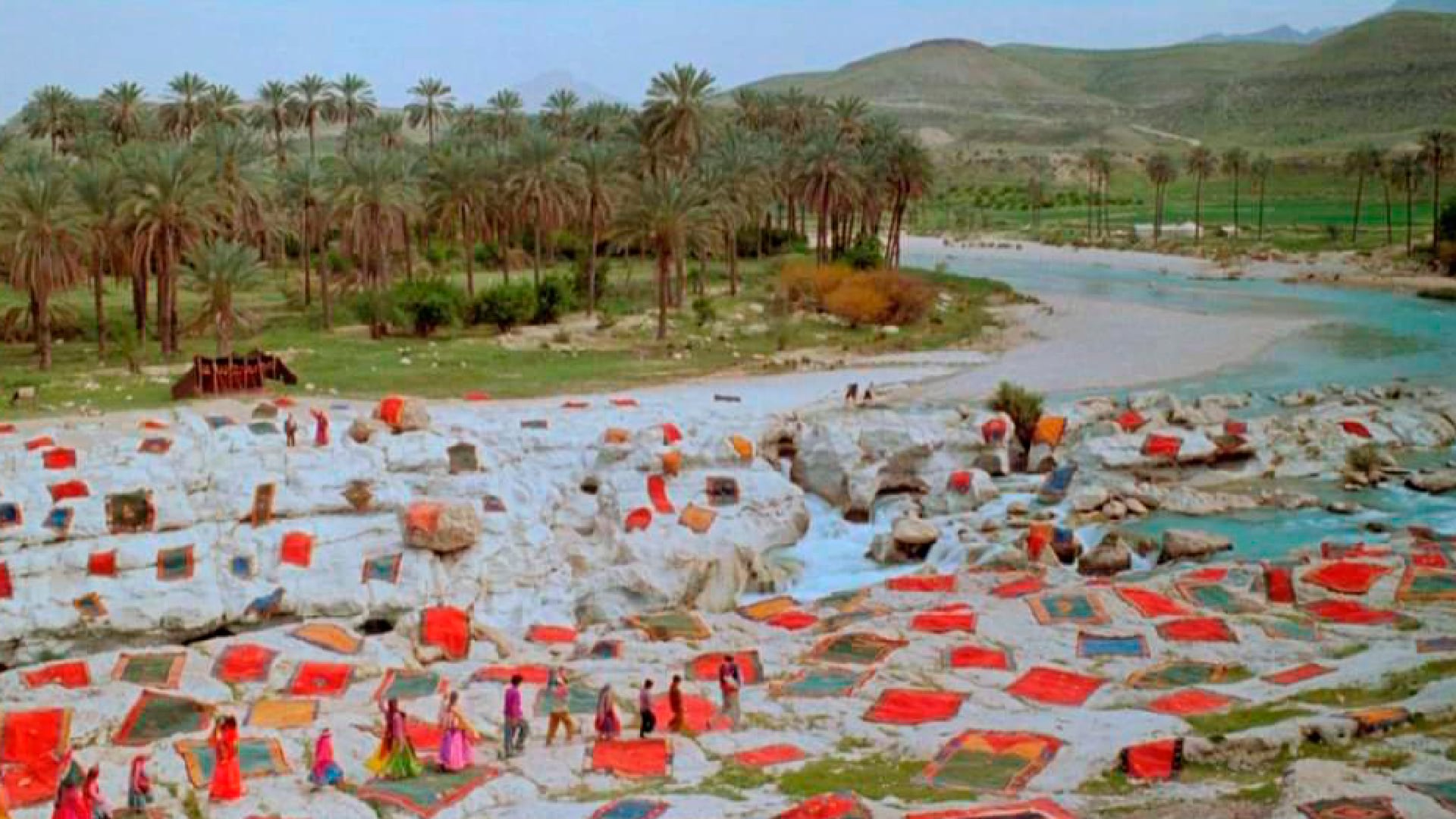
Still from Gabbeh (1996), directed by Mohsen Makhmalbaf. Co-production and distribution by © MK2 Diffusion / Source: IMDb
It also makes me think of the Iranian director Shirin Neshat and her experimental films such as Logic of the Birds, where moving crowds evoke a collective spiritual quest and the individual becomes diluted within a shared experience. The image suggests something similar: a multiplicity of units which, when grouped together, create a coherent, almost dynamic form. Each cell could be seen as a ‘traveller’ within a larger system, contributing to a whole that transcends its parts.
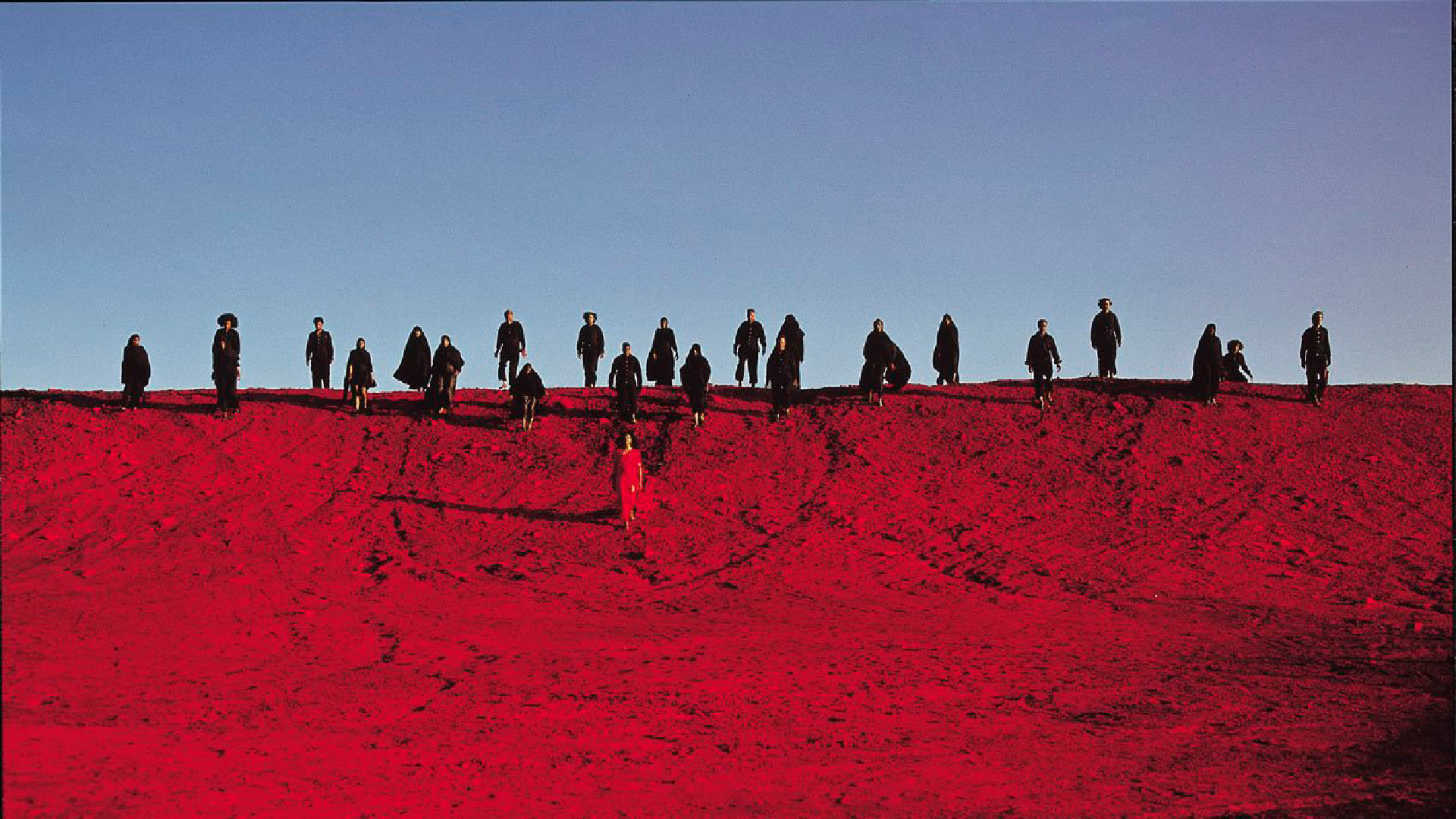
Still from the work Logic of the Birds (2002), by Ghasem Ebrahimian, Shirin Neshat, Shoja Azari, Sussan Deyhim / Source: artangel.org.uk
What does this image convey to you?
A: After being captivated by the vibrancy of the colours, I feel like focusing on the opposite, on the darkness that acts as a backdrop and, at the same time, is the only thing that makes the existence of those colours possible. If I had to give it a title, I’d call it the Secret Patterns of Being.
Joaquín, from a scientific point of view, what are we looking at in this image?
Joaquín (J): It’s an immunofluorescence image showing senescent cells, or zombie cells, in a mouse tumour, at an early stage.

Joaquín Arribas
And what’s the significance of the role played by these cells in the tumour environment?
J: We’ve discovered that senescent cells play a decisive role in tumour progression. These cells influence the presence and behaviour of certain macrophages (immune system cells that eliminate pathogens and damaged cells) via a molecule called CCL2 (a cytokine produced by the macrophages themselves, which ‘recruits’ more macrophages), which in turn can alter the tumour’s progression.
Marta, what else have you found out? How exactly do these senescent cells influence the tumour’s progression?
Marta: At first, it wasn’t entirely clear whether senescent cells help to slow down cancer or, on the contrary, encourage its growth, and therefore whether it would be advisable to eliminate them (for example, by using senolytic drugs).
To answer this question, we developed a transgenic mouse model so we could eliminate these cells at different stages of the disease, and we found that timing is key: if they’re eliminated too early, the tumour can become more aggressive. However, by combining their elimination with the blocking of the CCL2 molecule, this negative effect can be avoided.
In other words, it’s not just a question of whether eliminating senescent cells slows down or accelerates cancer but of how and when these cells should be eliminated. In the early stages, removing senescent cells without blocking CCL2 exacerbates the attraction of macrophages which, in turn, release more CCL2 and create a vicious circle of inflammation. This process prevents T-lymphocytes (which should attack the tumour) from intervening, thereby enabling the tumour to grow freely and more vigorously.
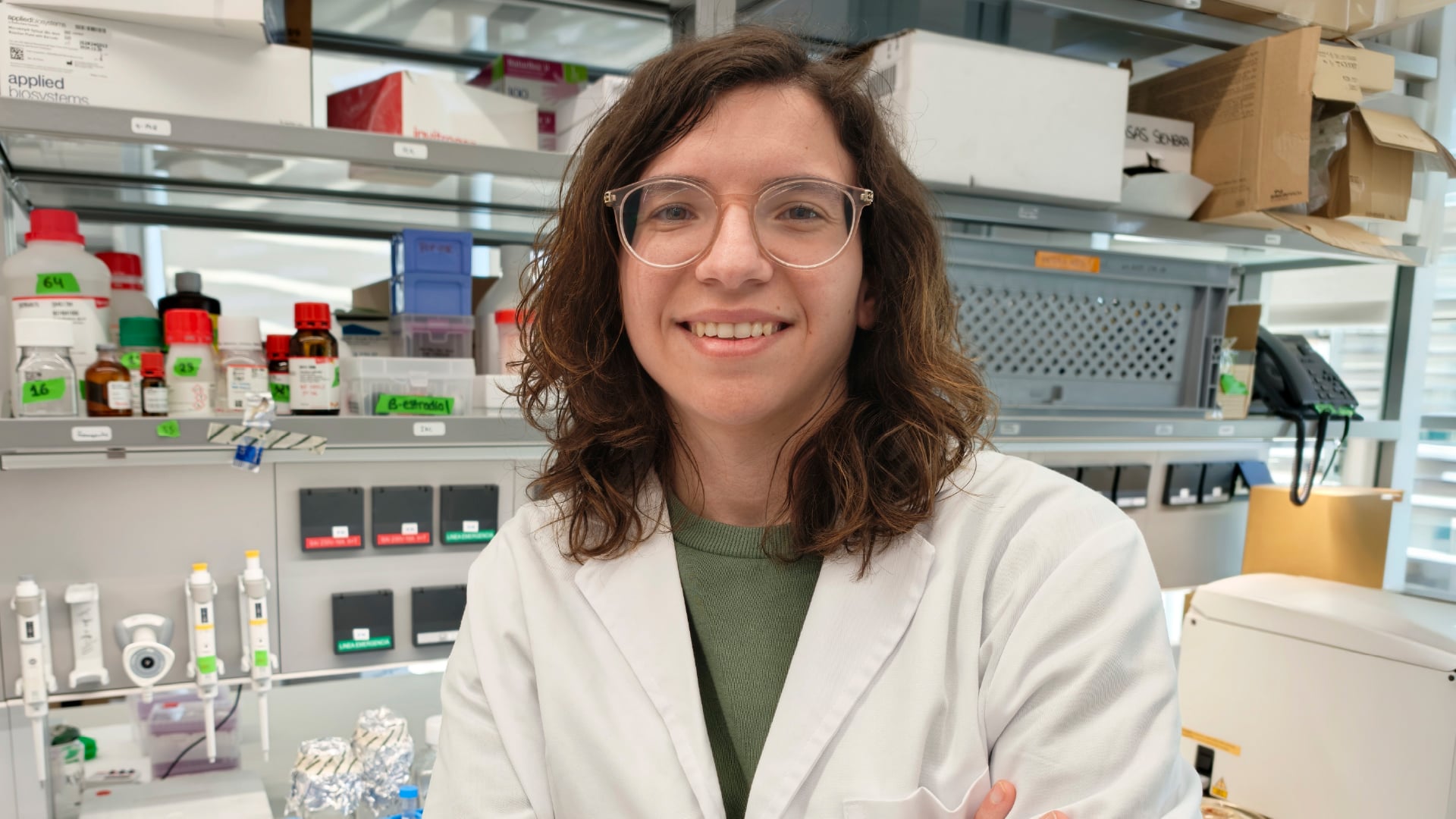
Marta Lalinde
Pau, what impact do you think this discovery will have on society?
Pau: I believe its main impact is to improve our understanding of how a tumour functions at a cellular level. A better understanding of the relationship between senescent cells, inflammation and the immune system is important because it helps us explain why tumours develop in different ways and it opens the door to more precise therapeutic strategies in the future. It’s an advance in basic knowledge but with clear biomedical implications.
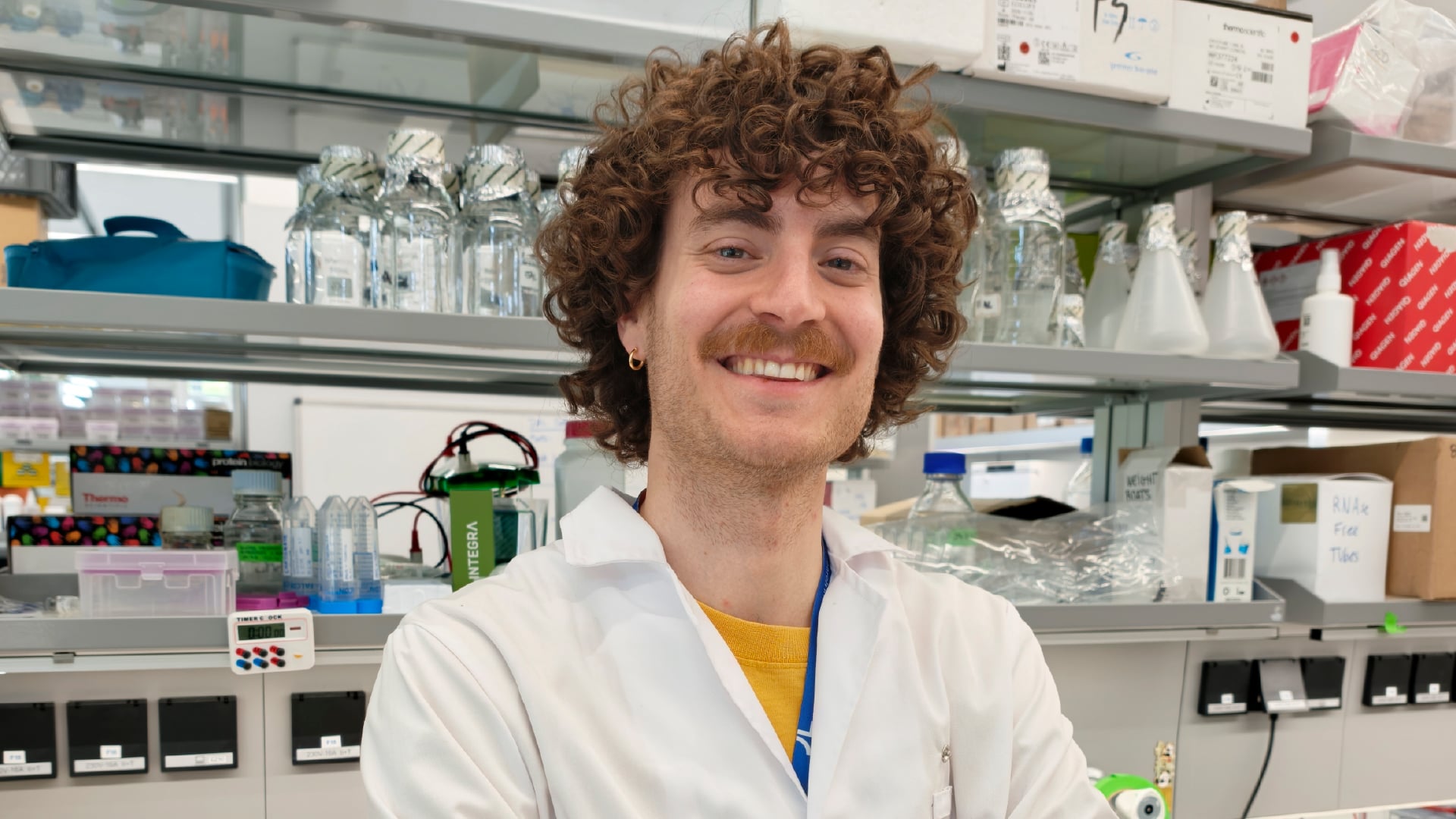
Pau Garcia Baucells
One last thought to conclude. Andrea, in your opinion, what’s the relationship between science and art?
A: Both stem from two human qualities: imagination and creativity. The connection between science and art is not merely aesthetic; it also points to a deeper relationship, as humans are sensory beings who perceive the world before they understand it.
Science starts from the same sensory basis as art to identify, translate and interpret what is perceived, constructing models that make reality intelligible. In this respect, micrography isn’t merely a technical record; it’s also the result of a gaze that selects, illuminates and frames. In other words, it already has a creative dimension.
Framing a cellular ‘battle’
Beyond the visual power of this micrograph, what this study has brought to the fore is the question of strategy and precision. The group’s discovery demonstrates that, in the fight against cancer, it’s not always enough to attack the enemy; it’s also vital to know how and when to do so.