

Health: the other side of the coin in global warming
Published on 30/07/2026
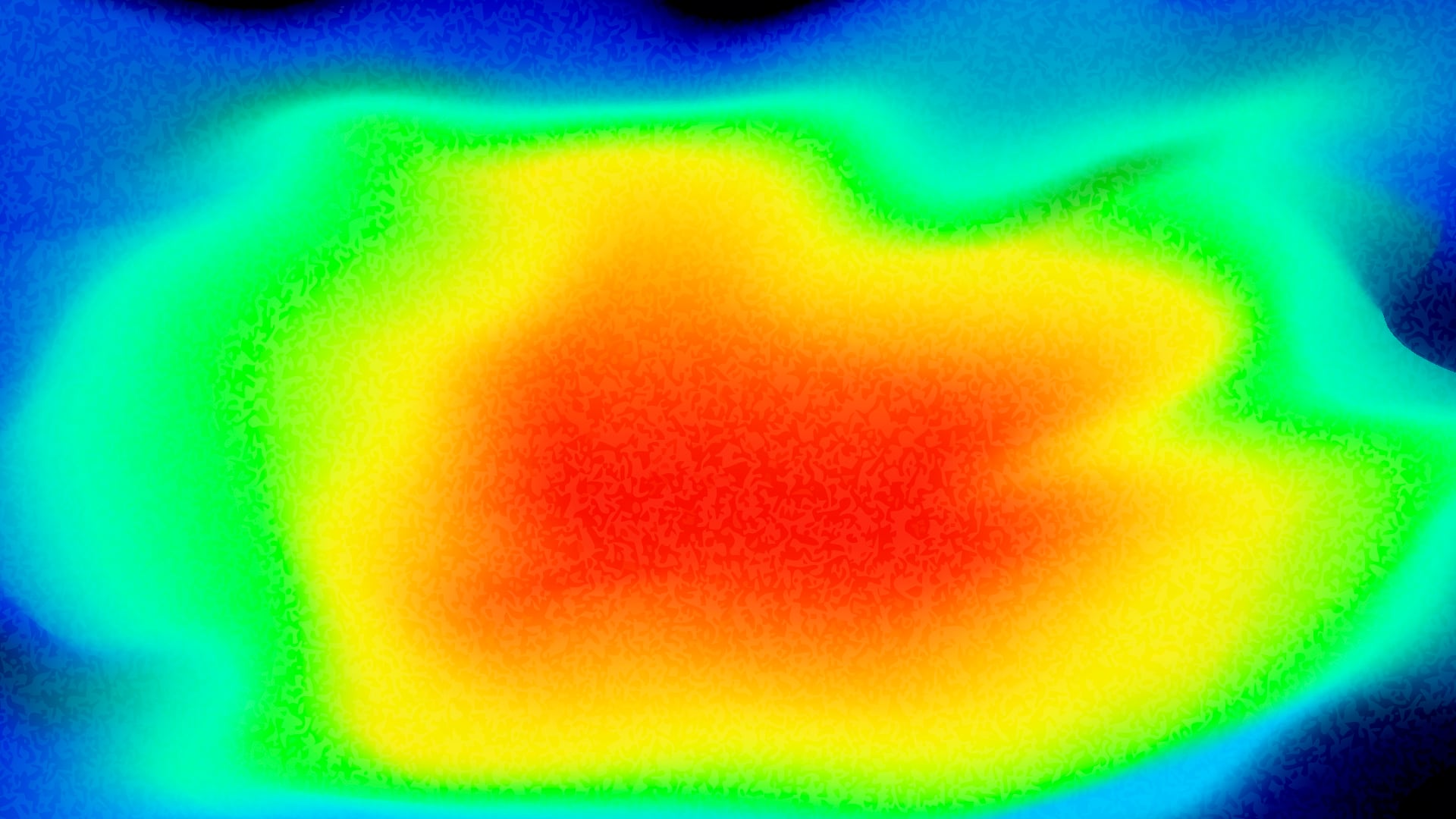
Three in the morning. 27 degrees.
This was the lowest temperature recorded by Barcelona’s thermometers during the night of 28-29 June 2026. Such tropical nights have ceased to be a summer anomaly, becoming a symptom of a more far-reaching transformation: climate change is no longer just an environmental phenomenon but also a public health crisis of the first order.
The figures bear this out. In the summer of 2024 alone, over 62,700 people died from heat-related causes in Europe, according to a study by the Barcelona Institute for Global Health (ISGlobal) published in Nature Medicine. To analyse this new reality, the report Extreme Heat, Health at Risk, prepared by the institute for the DKV Health and Environment Observatory, confirms an inexorable paradigm shift: extreme heat is no longer a one-off emergency but a structural threat. To understand the implications of this scenario and how it affects Spain, we spoke to Elizabeth Diago Navarro, researcher and coordinator of the Preparedness Hub (PR3) at ISGlobal.
From seasonal emergencies to structural risk
The researcher argues that “Spain is moving towards a climate in which extreme heat is a recurring and structural condition, beyond the previous pattern of sporadic heatwaves“. She warns that the combination of its Mediterranean location, a rapidly ageing population and an economy that’s highly dependent on more exposed sectors (tourism, agriculture and construction) places Spain at the centre of this vulnerability. Traditional civil protection and public health frameworks are proving to be insufficient in the face of increasingly prolonged summer seasons that narrow the margins for recovery: “heat is a new climatic norm that must be permanently and comprehensively integrated into our healthcare, urban and occupational planning”.
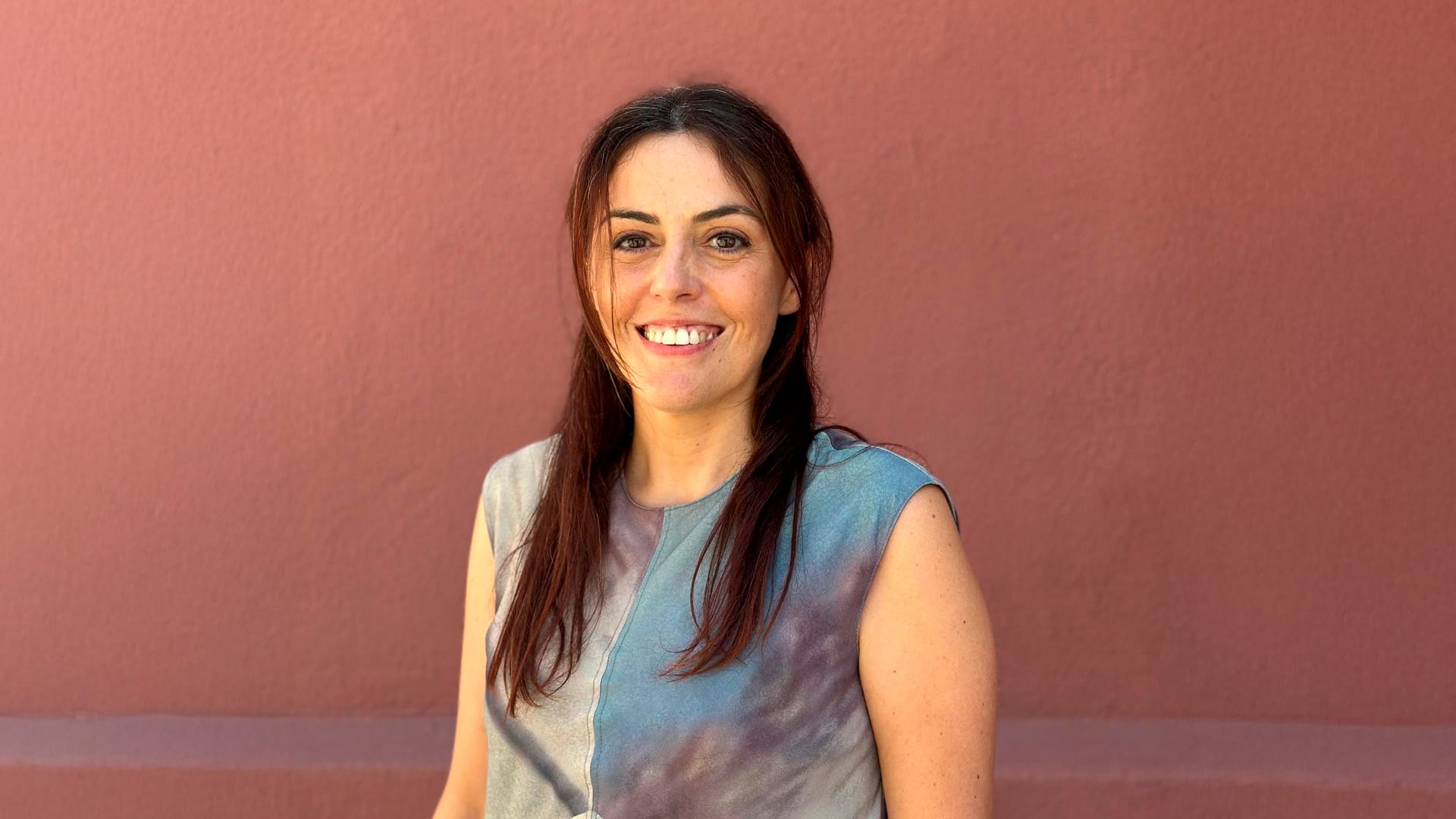
Elizabeth Diago Navarro
A cumulative strain on the body
The data from ISGlobal reveal acute chronic strain. Each additional degree of temperature systematically intensifies the pressure on the healthcare system, resulting in an 18% increase in overall mortality which rises to 25% in people over 65.
However, the researcher explains that the issue’s statistical invisibility is delaying the political response. “Most deaths are recorded as being due to cardiovascular, respiratory or renal causes, not as ‘death from heatstroke’, which results in a systematic underestimation of the problem“. Such deaths primarily involve the exacerbation of pre-existing conditions such as cardiovascular decompensation or renal failure, as well as electrolyte imbalances and conditions caused by drugs that alter the patient’s capacity to regulate their own temperature”.
In addition, there’s the issue of mental and reproductive health. Among other effects, heat increases the risk of anxiety by 43% and of depression by 26% for every additional degree, whilst for pregnant women the risk of preterm birth and foetal death also rises.
Heat-related inequalities
The impact of heat stress is strongly influenced by income and gender. The researcher asserts that “your postcode can be a more decisive factor for your health than any other clinical factor“. In Madrid, for example, lower-income neighbourhoods record night-time temperatures that are up to 4.1 ºC higher due to a lack of vegetation and poorer-quality housing. This is compounded by the gender-gap: during heatwaves, women are 56% more likely to die than men because of post-menopausal physiological factors and greater social isolation, with women over 65 being the subgroup at greatest risk.
Vulnerability also affects isolated older people who suffer from loneliness, as well as outdoor workers. “Seasonal migrant workers and builders face the highest levels of exposure” explains Elizabeth, making the heat map a direct reflection of social inequality.
A deficient environment: infrastructures and the workplace
The researcher’s assessment as to whether Spain’s towns and workplaces are prepared for this rise in temperatures is to the point: “the short answer is ‘no’. 85% of Europe’s building stock was constructed without heat-protection criteria and the annual reconditioning rate is just 1%. Furthermore, Spain is already losing 320 million euros a year because of work-related injuries due to heat stress”. To reverse this situation, she believes there’s an urgent need to “incorporate heat risk into building regulations, increase the tree cover in deprived neighbourhoods to reduce the urban heat island effect, ensure the effective enforcement of labour regulations in response to warnings from the Spanish meteorological agency (particularly in the most vulnerable sectors) and treat heat as a permanent structural risk“, explains Elizabeth.
From guidelines to community action
“The tools are there: well-implemented prevention plans are reducing heat-related deaths by 25.2% in the European towns and cities putting them into practice” Elizabeth points out. However, although Spain has a National Plan, its implementation is uneven across territories and there’s a lack of funding and thorough evaluation of its effectiveness.
Faced with longer summers and an ageing population, the expert pins her hopes on of society at large. “The success of community initiatives shows that the most effective protection against the heat doesn’t always come from above but from a local level. We need to build a culture of collective preparedness: knowing who lives alone in your block and where the nearest heat shelter is, having a family plan… Nevertheless, such a culture can’t be quickly improvised in July; it’s built up throughout the year with training, social networks and the belief that every person who’s well supported is a person who’s better protected”.
The researcher insists there’s a need for action across the board that engages the whole of society and repeats that “the tools to reduce heat-related deaths already exist and work. The challenge lies in turning knowledge into action, and that requires political will and resources commensurate with the risk”.