

12 months, 12 health challenges
Published on 22/12/2025

Health research and innovation are constantly evolving. Year after year, scientists around the world refine their strategies and laboratory techniques to tackle the greatest challenges of the moment.
And as science advances, our society, our way of life and our environment also change, resulting in new challenges and, with them, new research.
The researchers in our network are an example of how science continues to innovate in the face of the most substantial problems of our time, and the aim of this blog is to highlight their advances and knowledge in the different areas of health. Today we share with you the 12 most noteworthy articles of 2025.
1. Are we any closer to curing obesity? We ask an expert
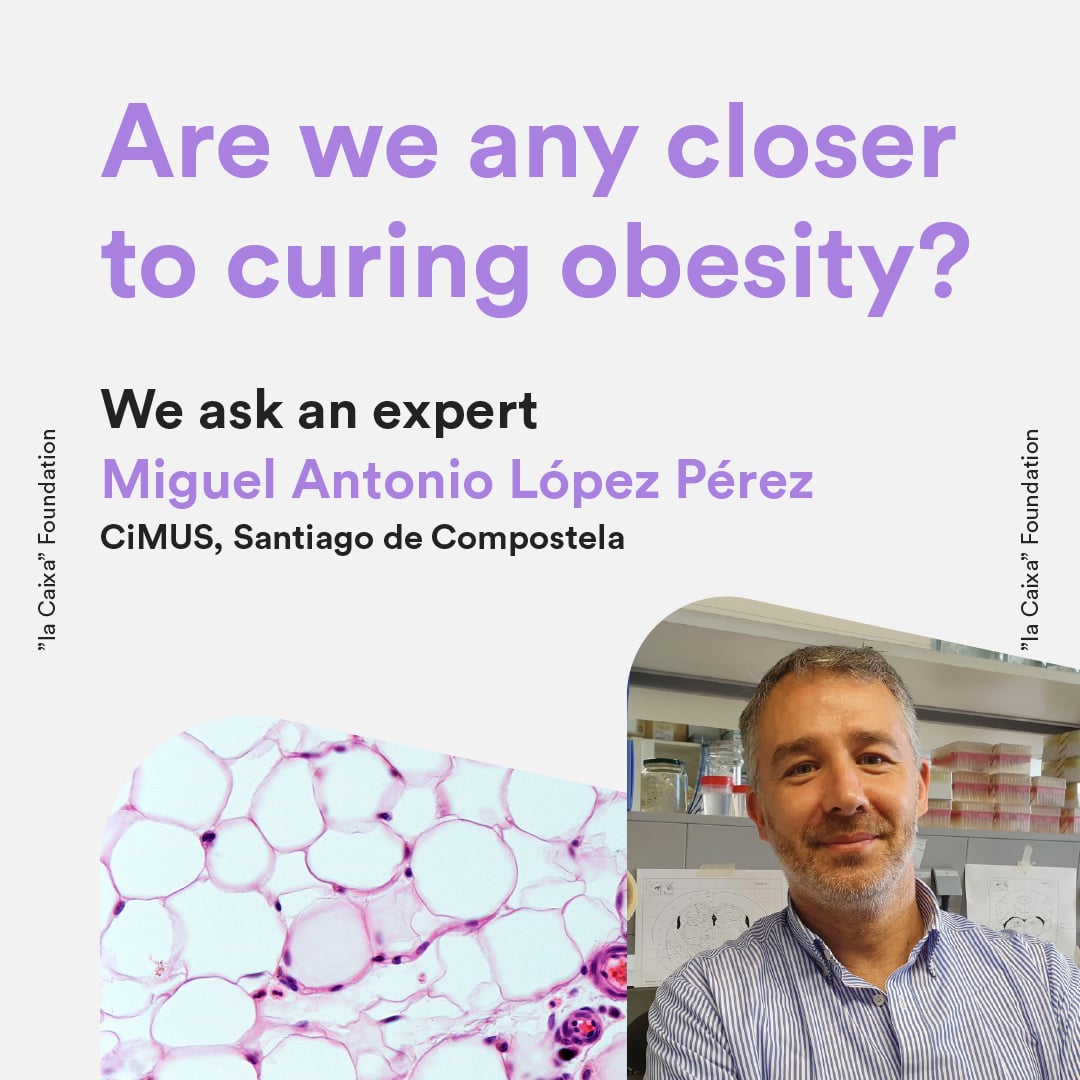
One in eight people in the world lives with obesity. But despite its high prevalence, it’s a condition we’re increasingly understanding better.
“Obesity has a historical stigma attached to it. It’s often believed that people are obese because they don’t take care of themselves, they eat excessively and uncontrollably. But this is a myth we need to attack. It’s true that some cases of obesity are lifestyle-related but many others are simply due to genetic ‘bad luck’” explains Miguel López, Health Research investigator at the Centre for Research in Molecular Medicine and Chronic Diseases (CiMUS).
What else do we know about the origin of the disease? What treatments exist and which ones are in the pipeline? Read the full article here.
2. Science or science fiction? Research that reads like something straight out of a book
“Throughout history, science fiction has imagined much of what science has achieved and will achieve in the near future” explains Salvador Macip, a researcher at the Barcelonaβeta Brain Research Center (BBRC), supported by ”la Caixa” Foundation. Such stories have not only fascinated generations of readers but have also sparked scientific innovation, inspiring advances capable of transforming the future of health.
Discover his and other real research projects from our network that seem like science fiction in the full article.
3. Immunology: the key to understanding and treating many diseases
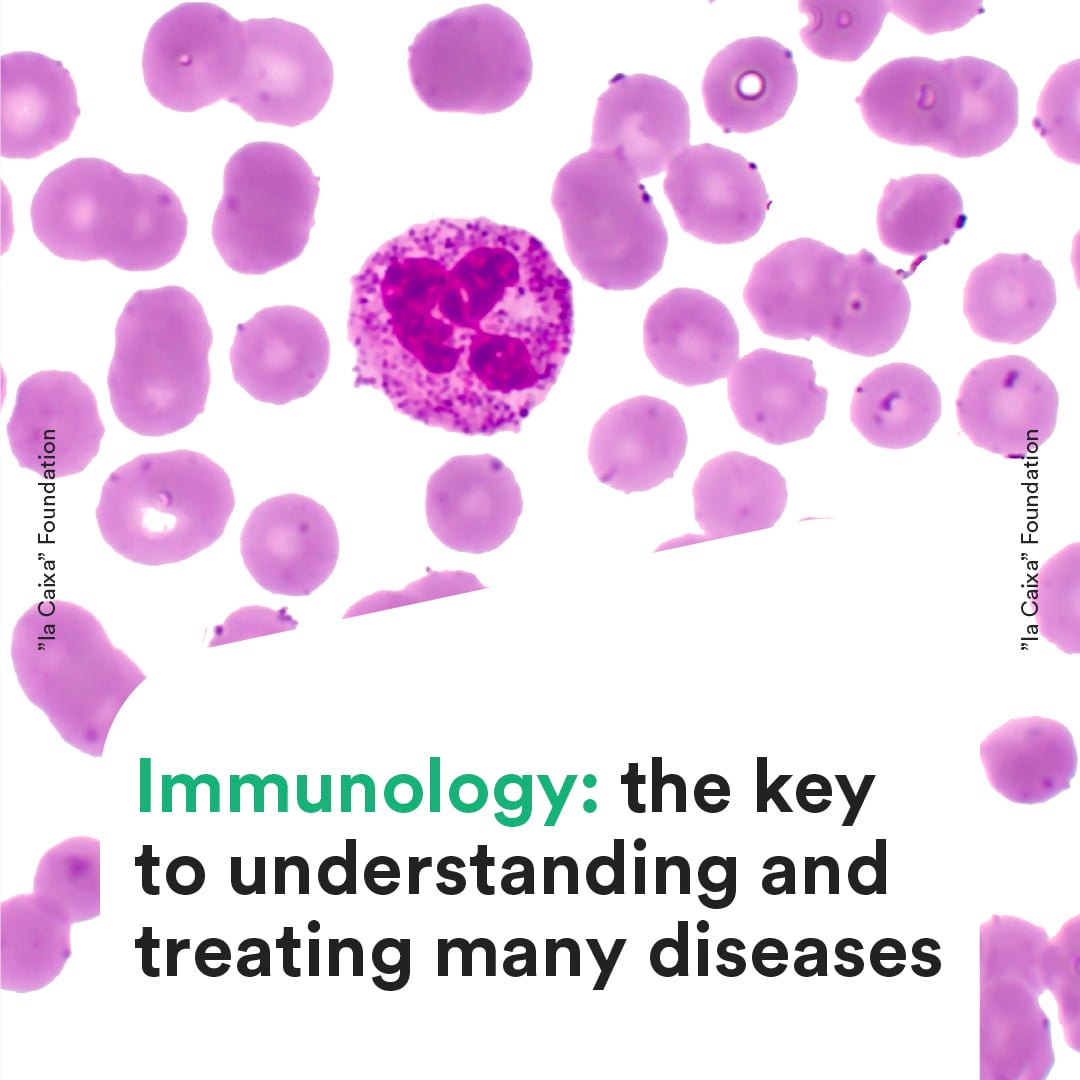
Research into the immune system is transforming biomedicine and opening up new avenues to prevent, diagnose and treat different diseases.
From training immune system cells to recognise and eliminate tumour cells, to deciphering how they communicate to enhance the response to infections or understanding why they attack the body itself in autoimmune diseases. In this article, three researchers explain the potential of immunology, the latest advances in this discipline and the vision for the future of the CaixaResearch Institute, Spain’s first research centre specialising in immunology and one of the pioneers in Europe.
4. The RNA therapy revolution
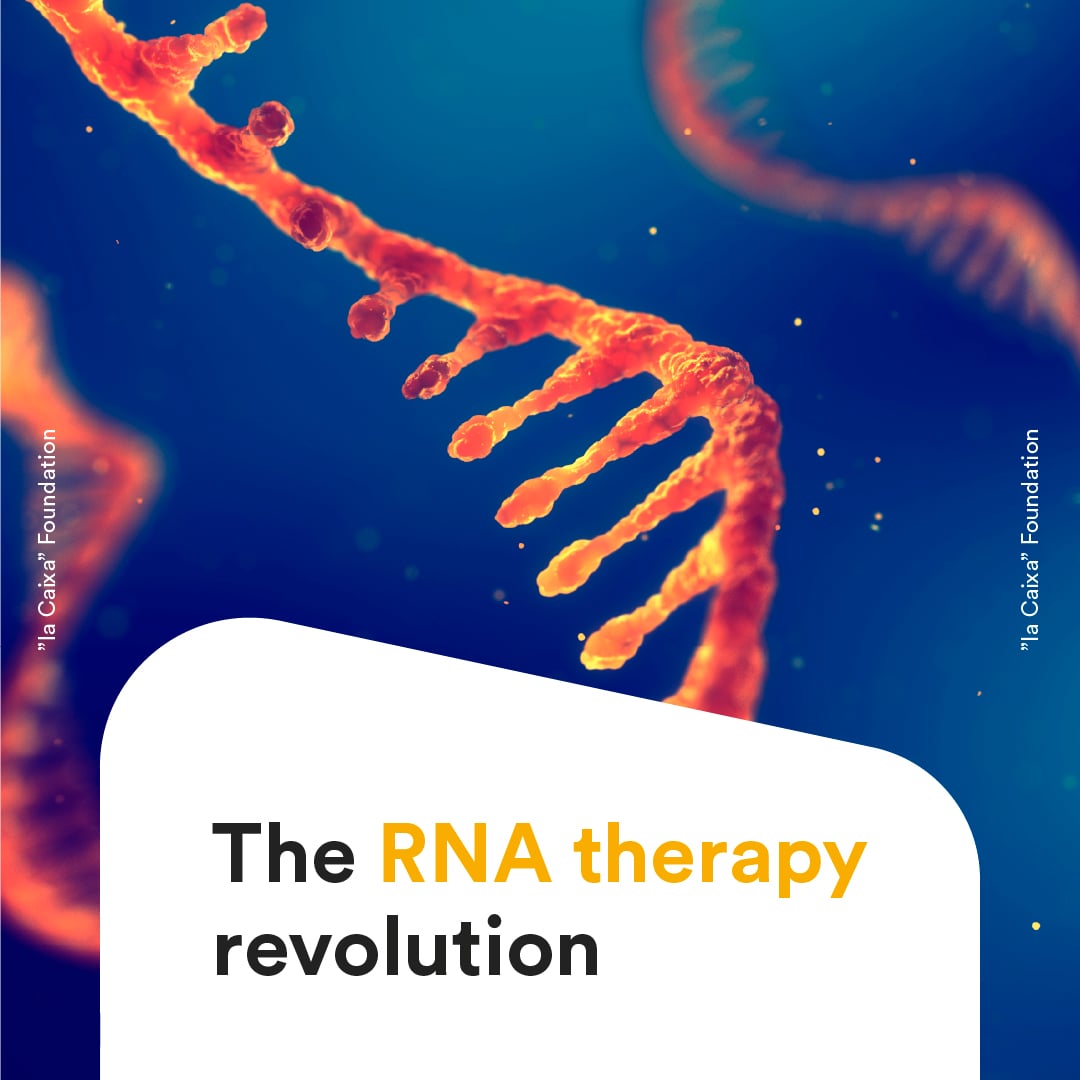
Therapies based on RNA, a key molecule in essential processes such as protein synthesis, are revolutionising medicine. They offer more versatile, precise and personalised ways to combat disease.
“RNA-based vaccines are just the first step in a revolution. In the near future we’ll see not only new vaccines but also drugs that, using similar technology, will correct or improve different diseases” explains Puri Fortes, a Health Research investigator at CIMA, the University of Navarra specialising in new RNA therapies for treating liver cancer. The potential is huge but so are the challenges.
What are they? What progress have we made? Five researchers from our network explain in the full article.
5. “I’m also researching to cure ALS”
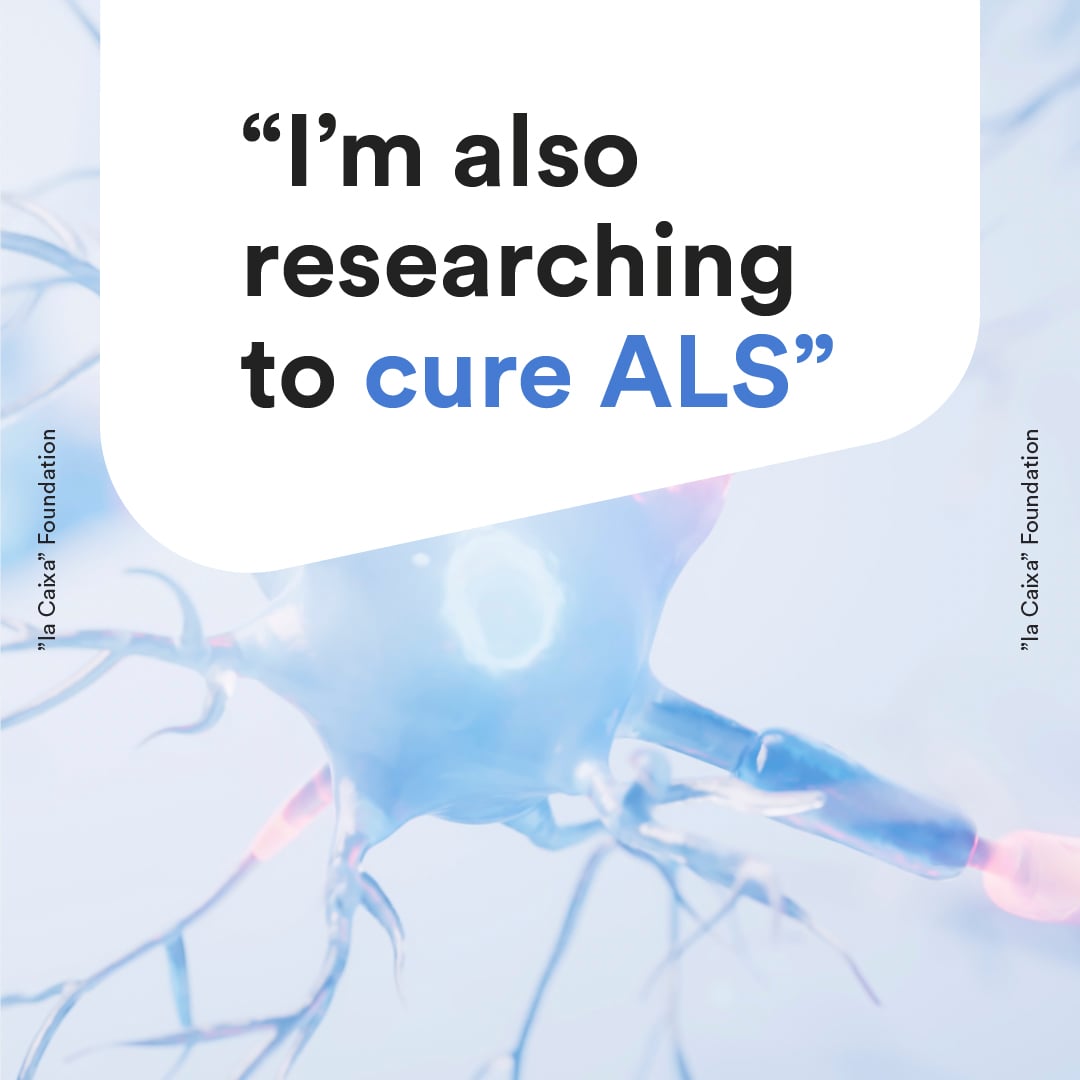
“Being diagnosed with ALS is a life-changing shock that’s difficult to describe… It’s a death sentence. And it’s difficult, first for the patient and then for those closest to them, to digest… what’s happening because it seems unreal” explains María José Arregui, President of the Luzón Foundation, an organisation with which ”la Caixa” Foundation collaborates, whose aim is to raise awareness of this disease, improve the quality of life of patients and their families, and promote research.
In recent times, scientific advances are establishing a new panorama: for the first time, innovative therapies, specialised start-ups and initiatives are emerging that offer promising results that could truly transform the future of ALS. Discover the projects in our network that are making this possible in the full article.
6. What toll does stress take on our health?
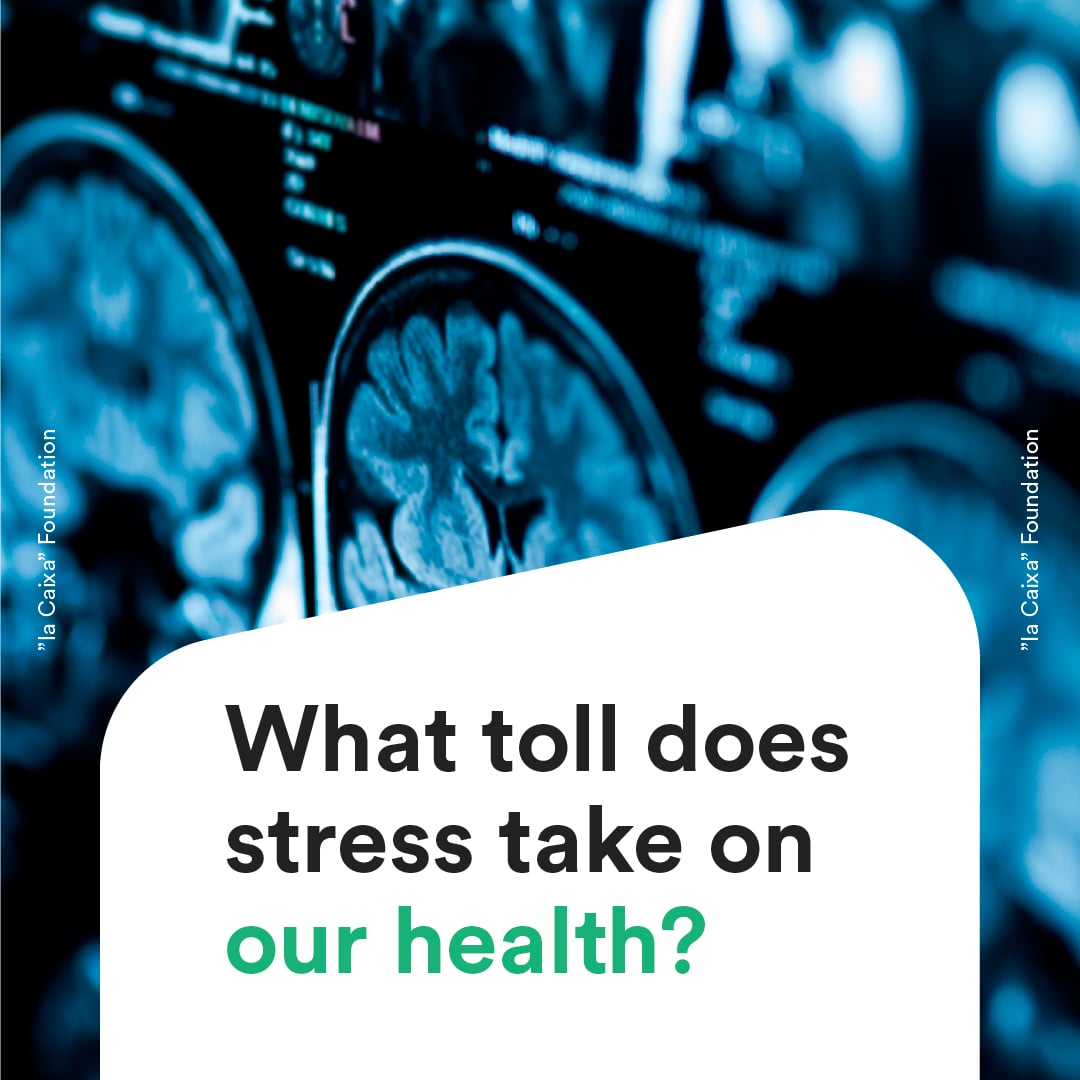
Although stress is a natural response of the body that enables us to react to dangerous situations, when we’re continually stressed it can become a silent enemy to our health. It increases the risk of cardiovascular problems, affects the nervous system with consequences for the memory and the onset of anxiety or depression, and even increases inflammation in the body.
So how can we reduce stress to improve our health? The key lies in improving the diagnosis of chronic stress and promoting prevention throughout society and in our lifestyles. We discuss this with expert researchers in the full article.
7. The new map of tropical diseases
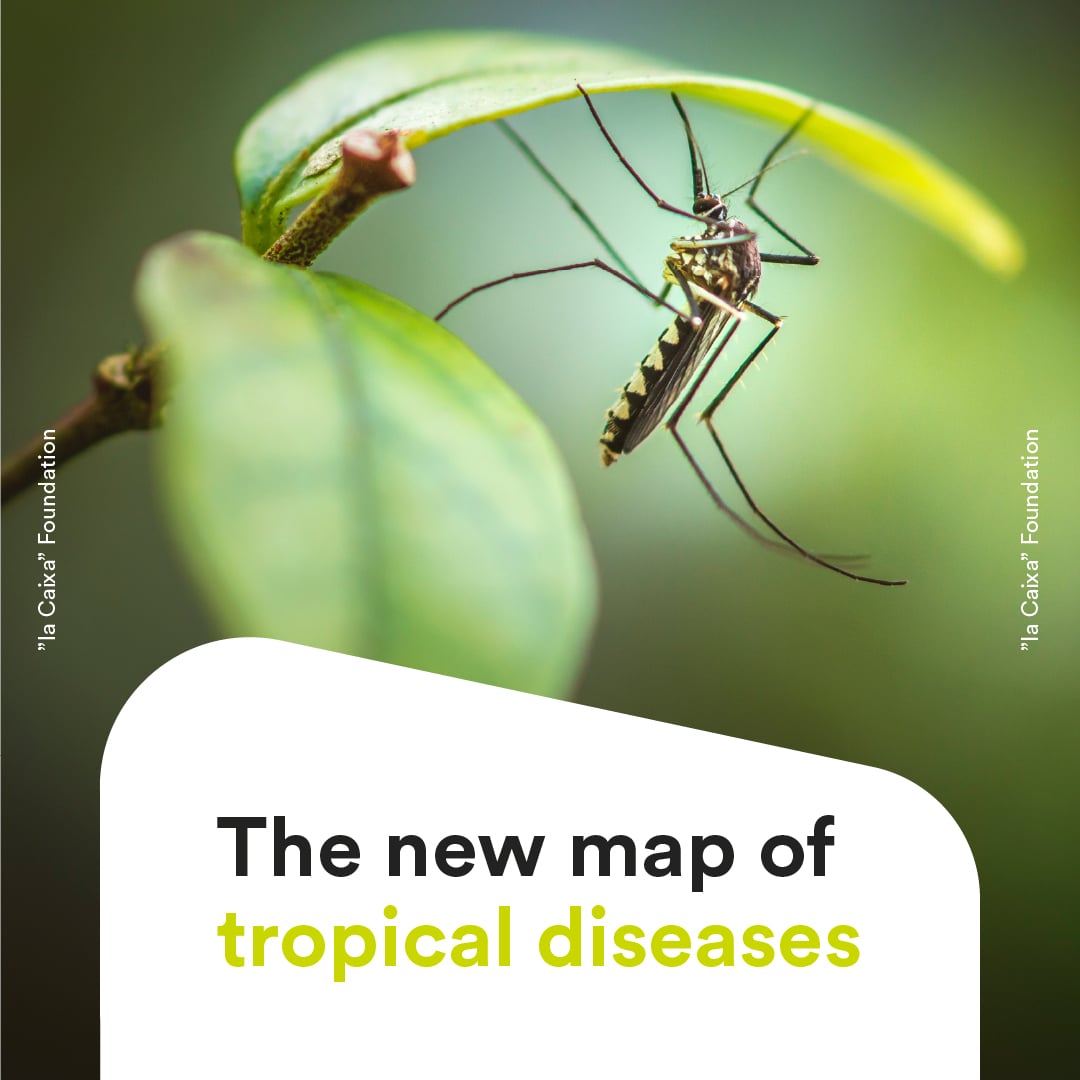
Tropical diseases know no borders. In recent years, there have been reports in Spain of some indigenous cases of diseases that, until recently, had never set foot on European soil. “Some that used to occur sporadically, such as West Nile virus, are now endemic” says Jordi Figuerola, a researcher at the Doñana Biological Station (CSIC) and CIBERESP.
Find out in this article how his research, as well as that of other researchers in our network and fellows from ”la Caixa” Foundation, seeks to improve the early detection, monitoring and control of these diseases, both in the laboratory and among the general public.
8. Are we winning the battle against Alzheimer’s?
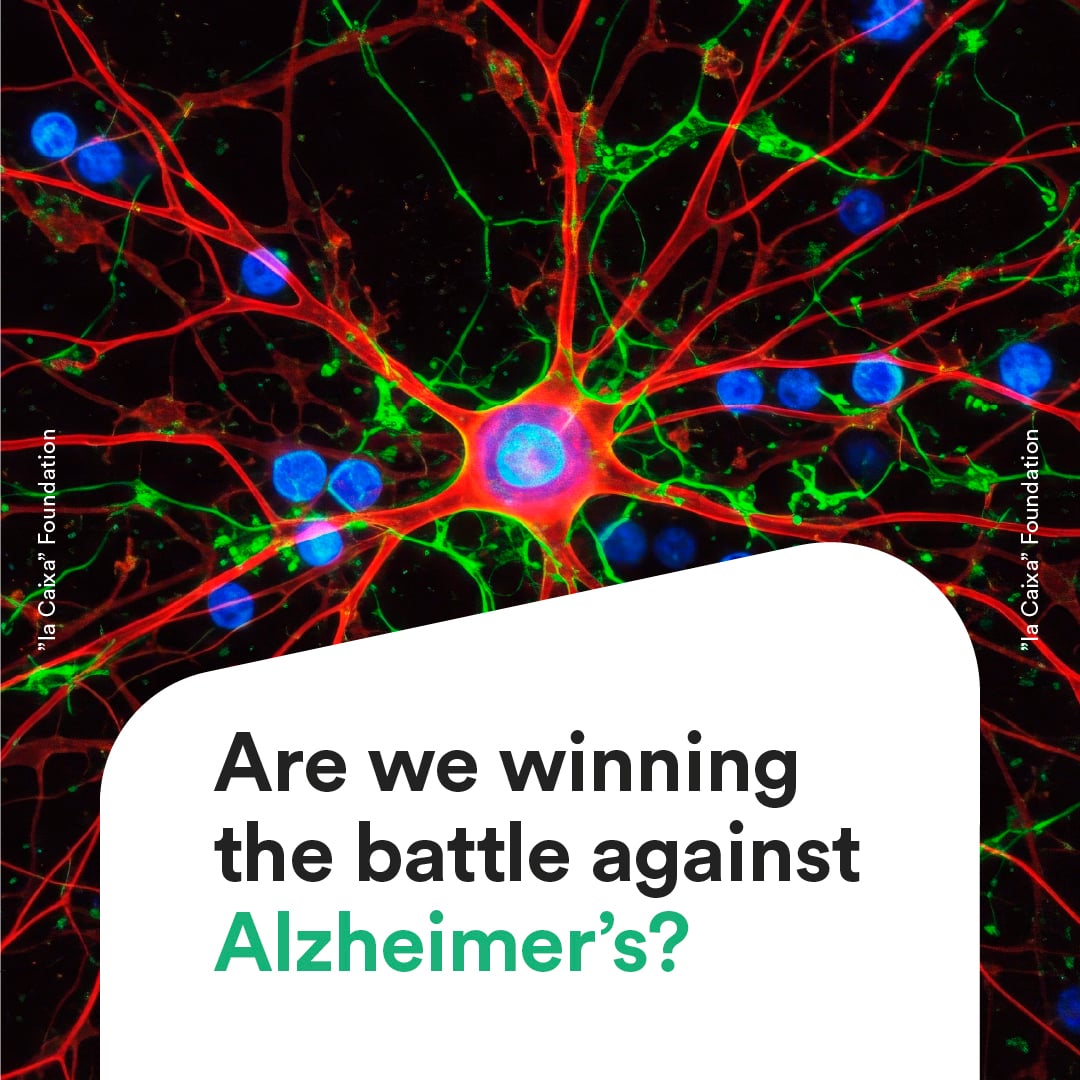
Until now, the prediction and early diagnosis of Alzheimer’s was only possible by means of invasive techniques, such as lumbar punctures to examine the cerebrospinal fluid or expensive tests such as positron emission tomography (PET).
Now, researchers from the Sant Pau Research Institute in Barcelona (IR Sant Pau) and the Barcelonaβeta Brain Research Center (BBRC) have made significant progress: they’ve demonstrated that the detection of biomarker p-tau217 in plasma, obtained via a simple blood test, can predict not only the presence of Alzheimer’s but also its clinical progression, even before any symptoms have become evident. Researcher Ignacio Illán from IR Sant Pau explains: link.
9. How old is your heart?
In recent years, a disturbing trend has been observed: heart attacks are increasing among young people, even in those under 40. Why is this happening?
“On the one hand, diagnostic tools have improved, enabling us to detect new cases more easily. On the other hand, changes in lifestyle mean that risk factors now occur at an earlier age… The abandonment of the Mediterranean diet and rise in physical inactivity…” explains Borja Ibáñez Cabeza, Scientific Director of the CNIC, cardiologist at the Jiménez Díaz Foundation Hospital in Madrid and “la Caixa” Foundation fellow.
In this article, we talk to Borja and other experts in our network about research into this problem and the major challenge represented by its diagnosis and prevention.
10. Rewriting the menopause
According to the Spanish Association for the Study of Menopause (AEEM), over 90% of women suffer from at least some of the more than 40 symptoms associated with the menopause, such as neurological disorders, insomnia and or hot flushes, while between 25% and 50% suffer from them with severe intensity. What effective treatments are already available and what’s in the pipeline? To what extent do we understand the impact of the menopause on physical and mental health?
We discuss this with our network researcher Joan Roig, from the Vall d’Hebron Research Institute (VHIR), and Glòria Borràs, gynaecologist and ”la Caixa” Foundation fellow, in the full article.
11. Leaving insulin behind
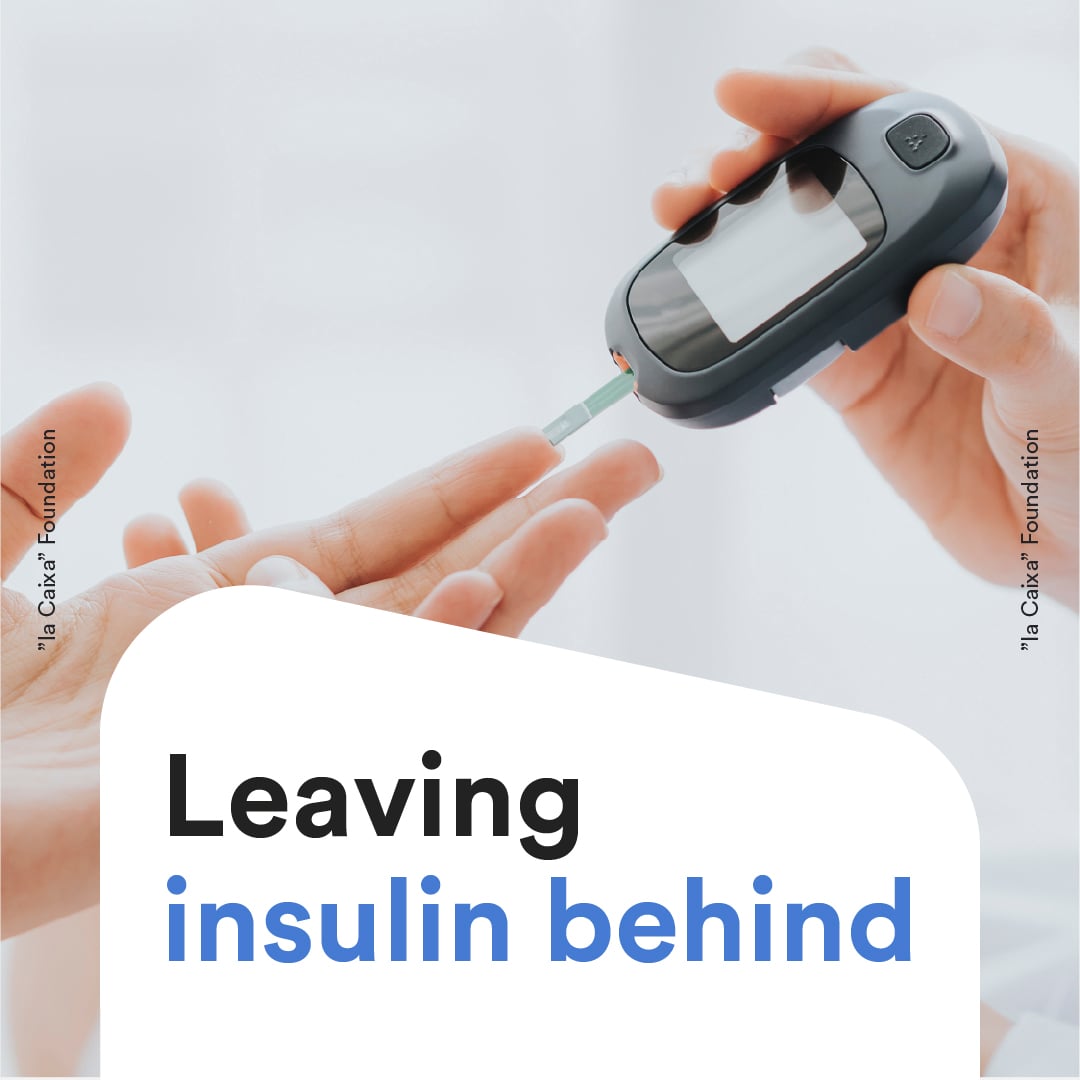
Despite technological advances, the strategy for treating diabetes hasn’t changed: to replace a hormone the body can no longer produce or use properly. Although insulin saves lives, it’s still a stopgap: it doesn’t cure the disease or prevent its long-term complications.
Since 2024, the Breakthrough T1D Foundation has been collaborating with ”la Caixa” Foundation to fund research into type 1 diabetes. One example is Lorenzo Pasquali, a researcher in the Department of Medicine and Life Sciences at Pompeu Fabra University (UPF), who is exploring the use of treatments capable of regenerating the body to restore its ability to produce insulin. Specifically, by transplanting hormone-producing β cells.
How are these new therapies progressing? What does the future hold for diabetes? All is explained in the full article.
12. How can we win the race against antibiotic resistance. We ask an expert
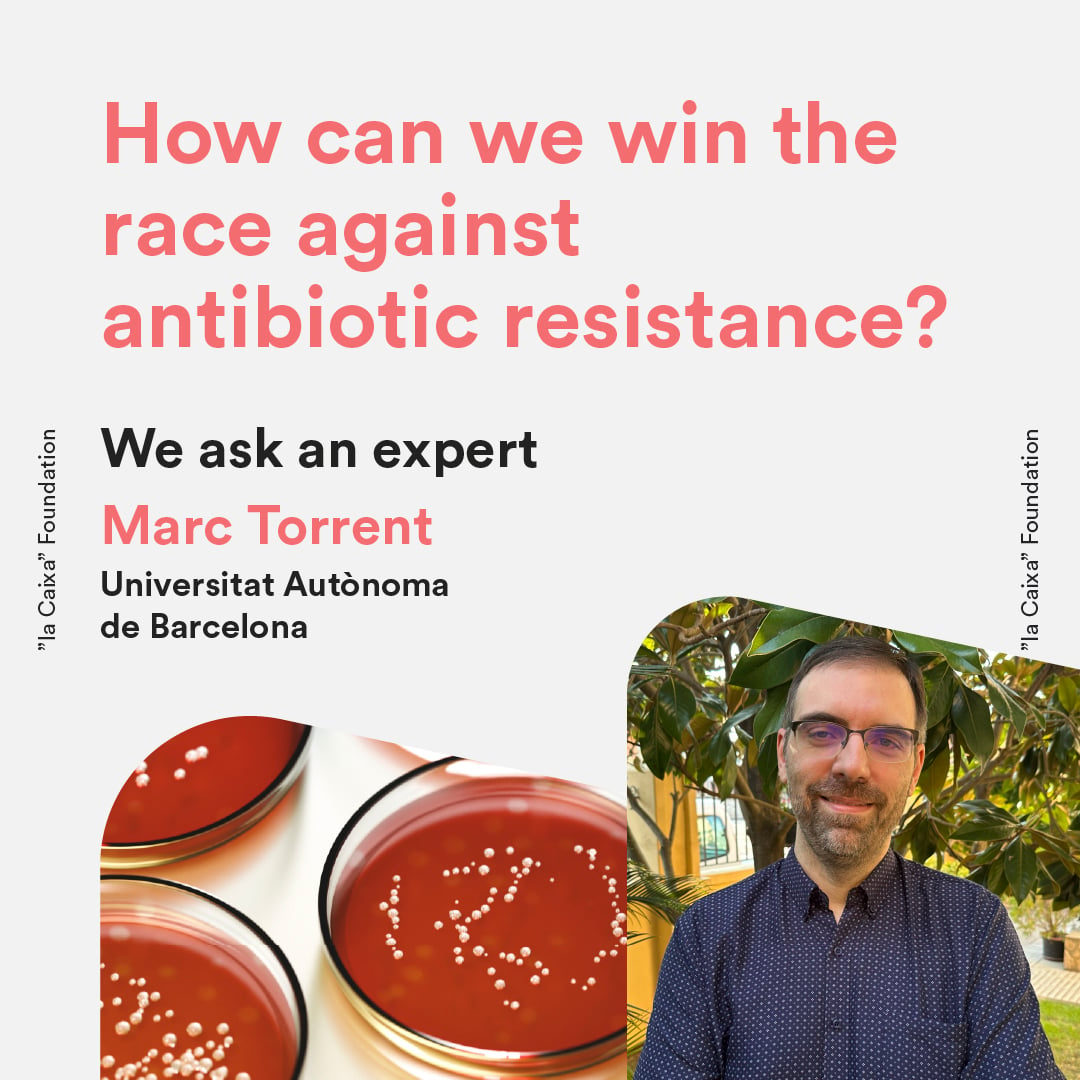
‘Nightmare bacteria’, superbugs, multi-resistance… These are concepts that are becoming increasingly common and reflect the same reality: the impossibility of treating bacterial infections with antimicrobial molecules.
“It’s called a silent pandemic because, unlike COVID-19, it’s spreading without the visibility of an acute crisis. However, the deaths linked to antibiotic-resistant bacteria continue to rise every year” explains Marc Torrent, Senior Lecturer in the Department of Biochemistry and Molecular Biology at the Autonomous University of Barcelona.
What are the causes? How can we prevent it and what new treatments are being developed? Find out in the full article.