

The headline about innovation I would like to read
Published on 23/01/2026

Over the past year, advances in medicine and health have filled the headlines on social media, in blogs and newspapers, reminding us that research never stops.
Each new discovery brings us a little closer to the headline we long to see, a utopia which may be different for each of us – “Causes of Alzheimer’s revealed”; “Cure for cancer discovered”… – and which researchers are seeking to bring about through one key factor: innovation. With this combination of creativity, collaboration and entrepreneurship, they’re working to transform their findings into solutions that reach society, making possible what once seemed impossible.
That’s why we asked the researchers from our network what their dream headline for 2026 is and how they’re innovating to turn their utopia into a reality. For them, the impossible is just a little harder than the difficult.
“Huge cuts in surgery waiting times”
This is the headline that Ancor Serrano, a specialist doctor attached to the Anaesthesiology, Resuscitation and Pain Treatment Unit at Bellvitge University Hospital, would like to see one day in all the newspapers. “The waiting time for an operation is a major source of concern and deterioration in health, as well as a stress factor for healthcare systems and their staff”, he explains.
“To get closer to seeing this headline, with the support of CaixaImpulse Innovation we’ve developed software that makes it easier for patients to complete their pre-operative procedures, avoiding unnecessary tests and visits and shortening the waiting time for surgery. What’s more, the staff will be able to devote more time to patients who need it, reducing cancellations and complications”, he adds.
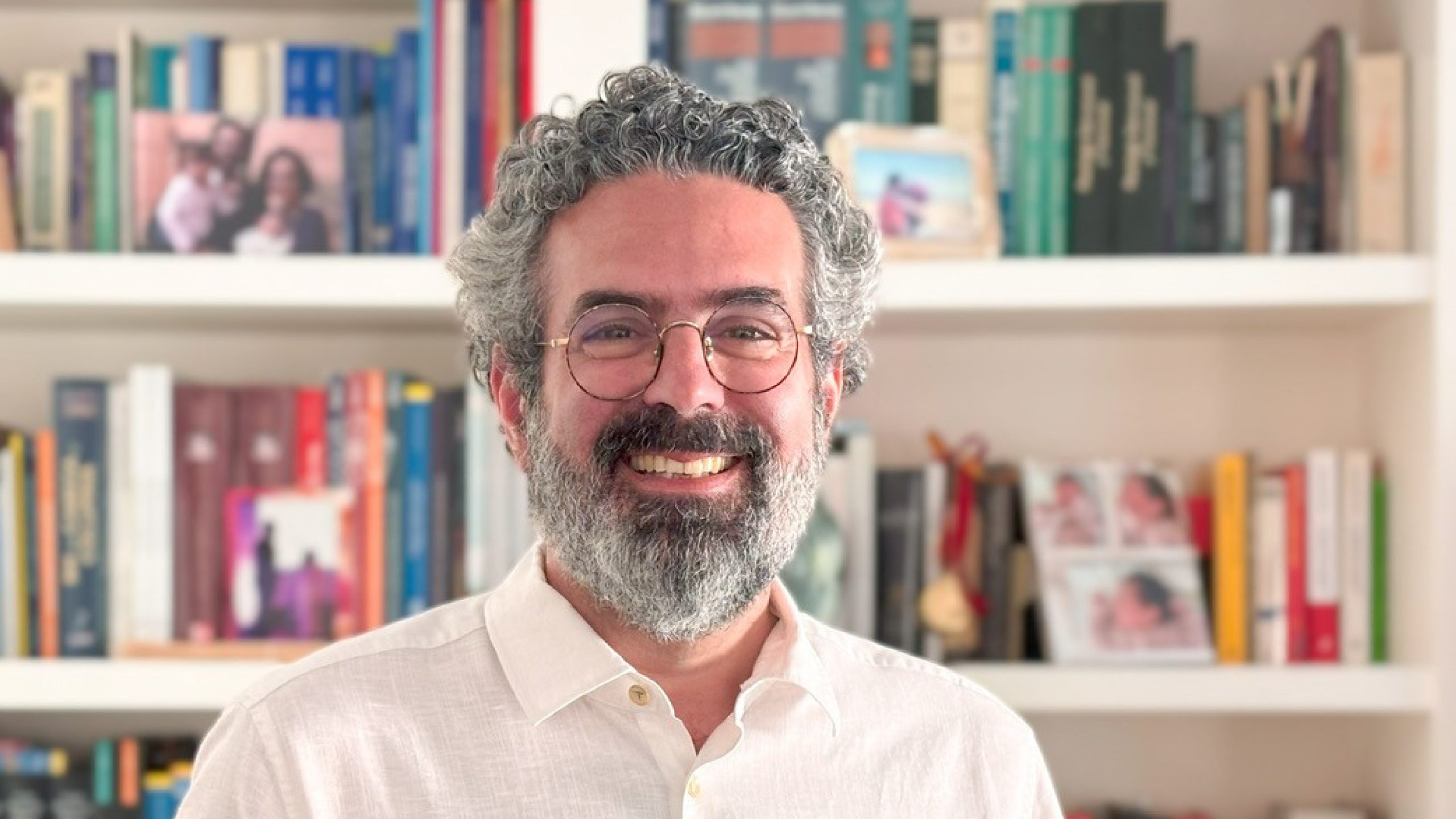
Ancor Serrano, a specialist doctor attached to the Anaesthesiology, Resuscitation and Pain Treatment Unit at Bellvitge University Hospital.
“Human spinal cords created in the lab to speed up the development of regenerative therapies”
For Zaida Álvarez, Ramón y Cajal researcher and PI in the Biomaterials for Neural Regeneration group at the Institute for Bioengineering of Catalonia (IBEC), this headline would represent a paradigm shift in how we study and treat spinal cord injuries, moving from animal models to predictive human systems that could be directly transferred to clinical practice. So how is she innovating to bring this about?
“With the support of ”la Caixa” Foundation, we’re developing a 3D-printed platform on which miniature human spinal cords (organoids) can grow to study the pathophysiology of spinal cord injury. We’re also carrying out clinical trials with drugs transported in nanoparticles that help the medication to be delivered to the neurons, with the aim of improving neuroprotection and regeneration after injury”, explains Zaida.
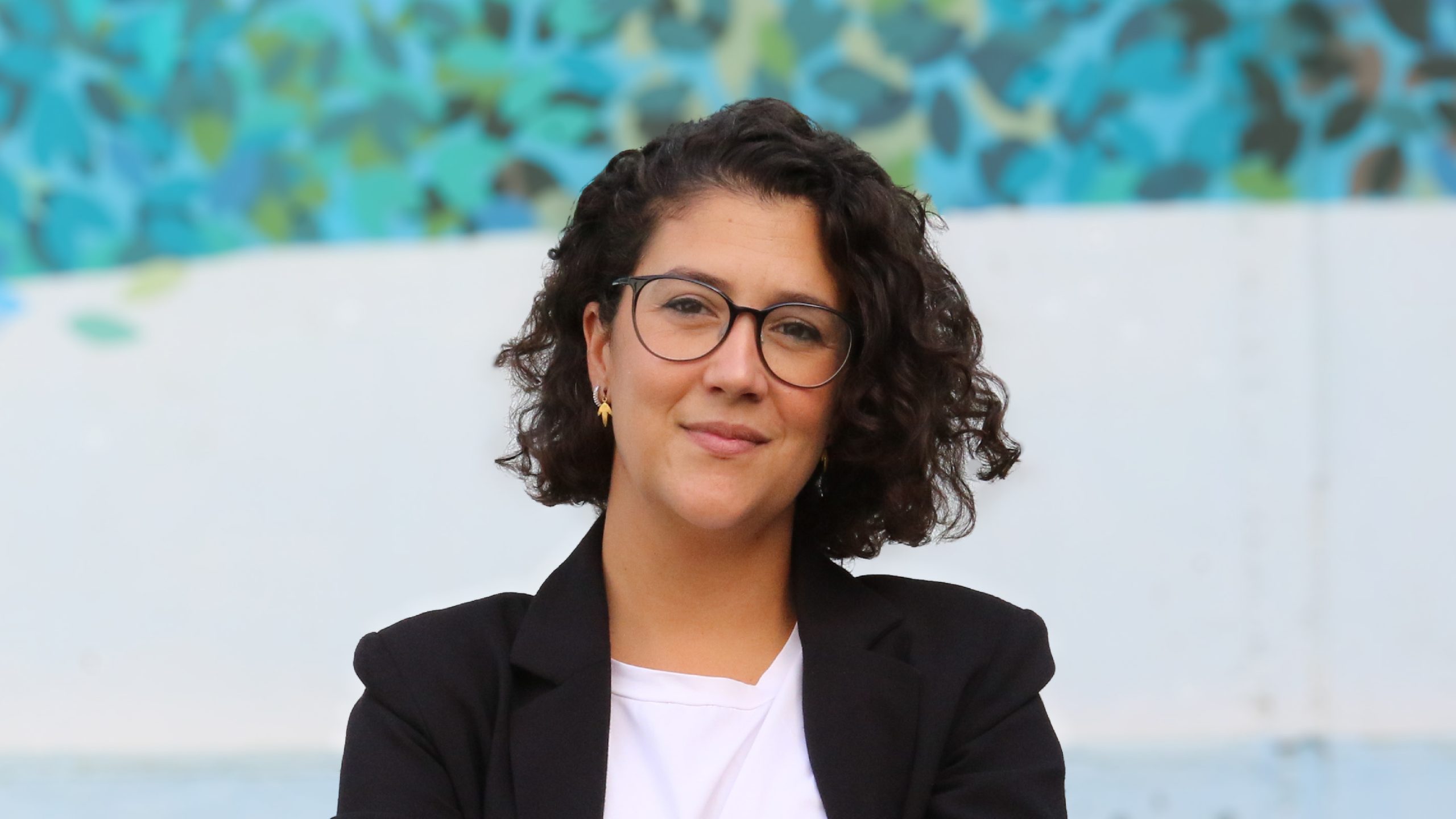
Zaida Álvarez, Ramón y Cajal researcher and PI in the Biomaterials for Neural Regeneration group at the Institute for Bioengineering of Catalonia (IBEC).
“Minimally invasive, long-lasting regenerative treatment developed for lower back pain”
The dream headline of Joana Caldeira, a researcher at i3S (Instituto de Investigação e Inovação em Saúde da Universidade do Porto), focuses on lower back pain, a widespread condition that affects millions of people worldwide and often doesn’t receive any long-term solution from current treatments.
With the support of CaixaImpulse Innovation, Joana is working on a pioneering therapy to one day make her dream headline come true. “We’re developing a synthetic, injectable material that recreates the prenatal environment, thereby contributing to tissue regeneration and reducing back pain. This innovative solution could set a new standard for preventive and anti-ageing therapies”.
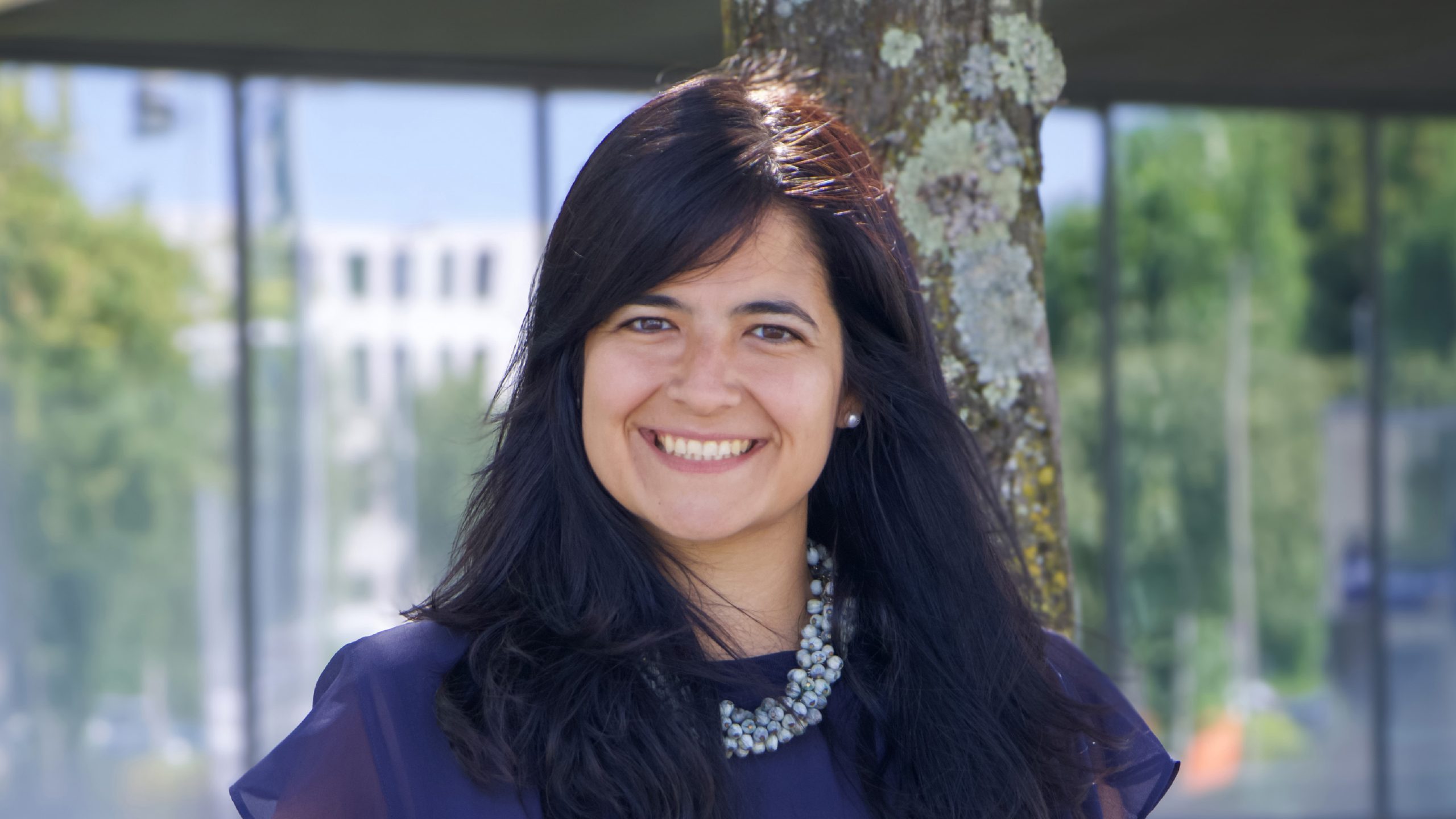
Joana Caldeira, a researcher at i3S (Instituto de Investigação e Inovação em Saúde da Universidade do Porto).
***
Will these headlines be published in 2026? Perhaps not exactly like this, nor all of them at the same time. But what matters isn’t the date the headline appears but the path that’s already being travelled. Behind each journey are professionals who believe their research can transform tomorrow and turn real needs into tangible solutions.
Because innovation in healthcare isn’t built on grand promises but on constant advances that, step by step, change people’s lives. And, when that happens, a headline ceases to be a utopia and becomes news.