Wednesday 19

The female entrepreneurs transforming healthcare

Published on 19/11/2025

Melanie Perkins, co-founder of Canva; Arianna Huffington, founder of The Huffington Post; Jennifer Doudna, winner of the 2020 Nobel Prize in Chemistry for CRISPR-Cas9 gene editing technology and founder of numerous scientific start-ups; and Daphne Koller, co-founder of Coursera. These are some of the until-recently-minority cases of women leading companies capable of rewriting the rules of innovation.

Things are changing but the scenario is still strikingly unequal. Women own just one in four companies globally and, in Europe alone, they account for 73% of the “missing” entrepreneurs. This means there could be 5.5 million more women starting and managing new businesses if they had the same opportunities and participated in early-stage entrepreneurship at the same rate as men aged 30 to 49.

Share

0
Tuesday 18

How can we win the race against antibiotic resistance? We ask an expert

Published on 18/11/2025

For years we’ve been reading about the ability of certain bacteria to resist traditional antibiotics. “Nightmare bacteria”, superbugs, multi-resistance are all concepts that are becoming increasingly common and reflect the same reality: the impossibility of treating bacterial infections with antimicrobial molecules.

In fact, bacteria become resistant due to random mutations. If we stop an antibiotic treatment too early, they have a greater chance to mutate; and if we use antibiotics unnecessarily, we encourage resistant strains to survive and multiply. This creates a vicious circle that jeopardises the effectiveness of our treatments.

Today we’re talking to researcher Marc Torrent, Senior Lecturer in the Department of Biochemistry and Molecular Biology at the Autonomous University of Barcelona,

Share

0
Friday 14

Leaving insulin behind

Published on 14/11/2025

The discovery of insulin in 1921 radically transformed diabetes from a fatal disease to a condition that’s chronic and complex but manageable. Today, a hundred years after that discovery, insulin is still the standard treatment. 

Despite huge technological advances such as smart insulin pumps, glucose sensors and control algorithms, the therapeutic principle has remained the same: to replace a hormone the body can no longer produce or use properly. And although insulin saves lives, it’s still a stopgap: it doesn’t cure the disease or prevent the associated long-term complications.

On World Diabetes Day, we explore new lines of research that seek to go one step further: to release patients from their dependence on chronic treatments,

Share

0
Wednesday 12

“The very instant of a cosmic blast”

Published on 12/11/2025

In art, what we see at first glance rarely tells the whole story. Looking beyond the obvious helps to reveal hidden details and creates unique interpretations and perspectives that can change our conception of a work.

The same is true in science. Until recently, cancer research tended to focus on the tumour: its shape, the weak points in the tumour’s cells… But now we know that, beyond the tumour itself, understanding its environment and how it interacts with other cells can alter how we study it and steer the design of new therapies.

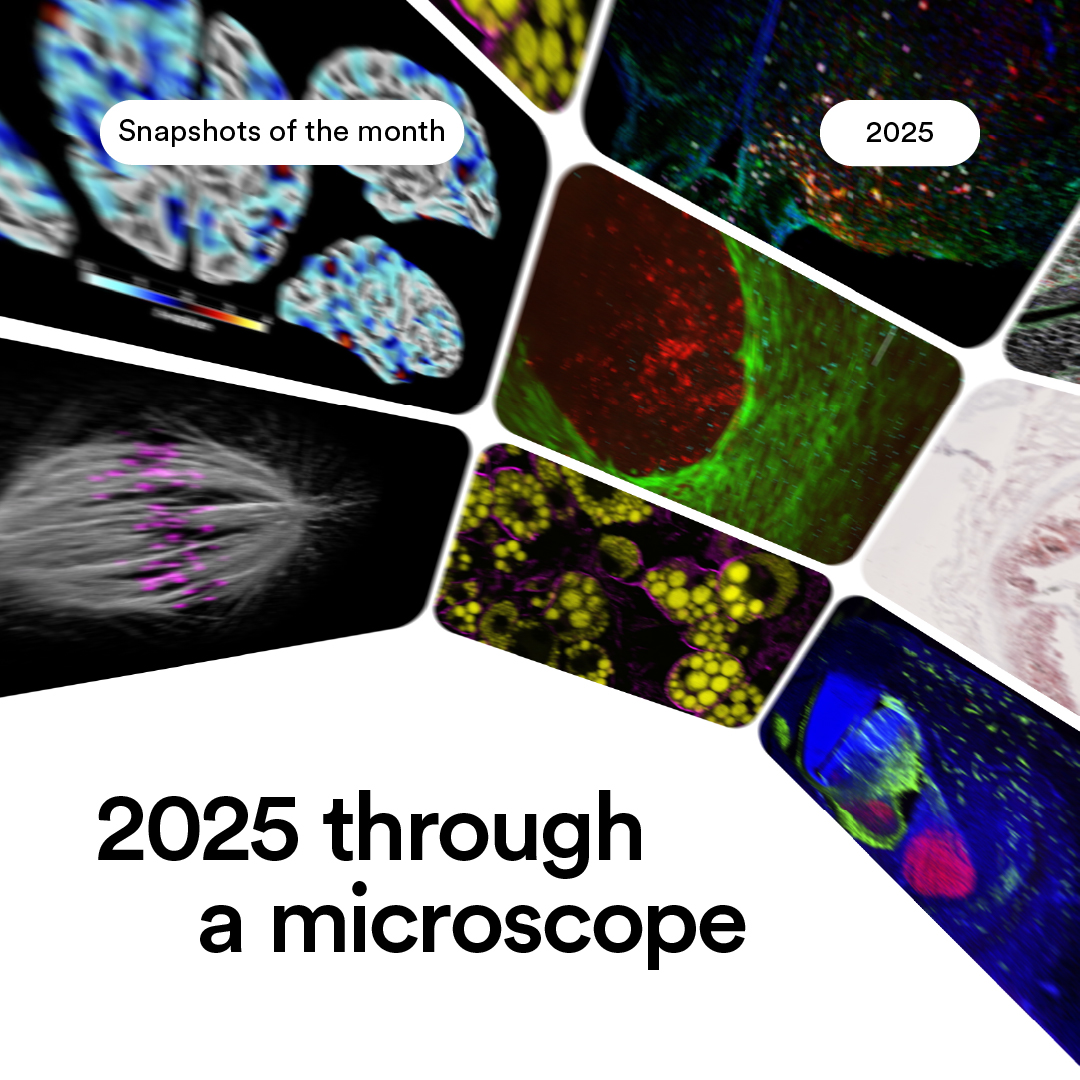
In this latest Snapshot of the month we’ll discover, together with Alice Perucca from the group led by the CaixaResearch Health researcher Xavier Trepat at the IBEC and the artist and ”la Caixa” Foundation fellow Max Azemar i Carnicero,

Share

0
Thursday 30

Mental health: the great unfinished business

Published on 30/10/2025

45% of people will experience a mental health issue at some point in their lives. In fact, mental disorders are now the leading cause of disability worldwide in all age groups, surpassing any other health problem in terms of impact.

Anxiety, depression, addiction, bipolar disorder and schizophrenia are just a few examples of conditions which, despite their prevalence, are still affected by stigma and barriers to their diagnosis and treatment.

For decades, the debate around mental health has oscillated between two poles: those who prioritise biological factors and those who emphasise social determinants. However, the latest research shows that this dichotomy is artificial, hindering progress in truly understanding these disorders.

Share

0
  • Archive