Thursday 18

The disease with a thousand faces: towards a cure for multiple sclerosis

Published on 18/12/2025

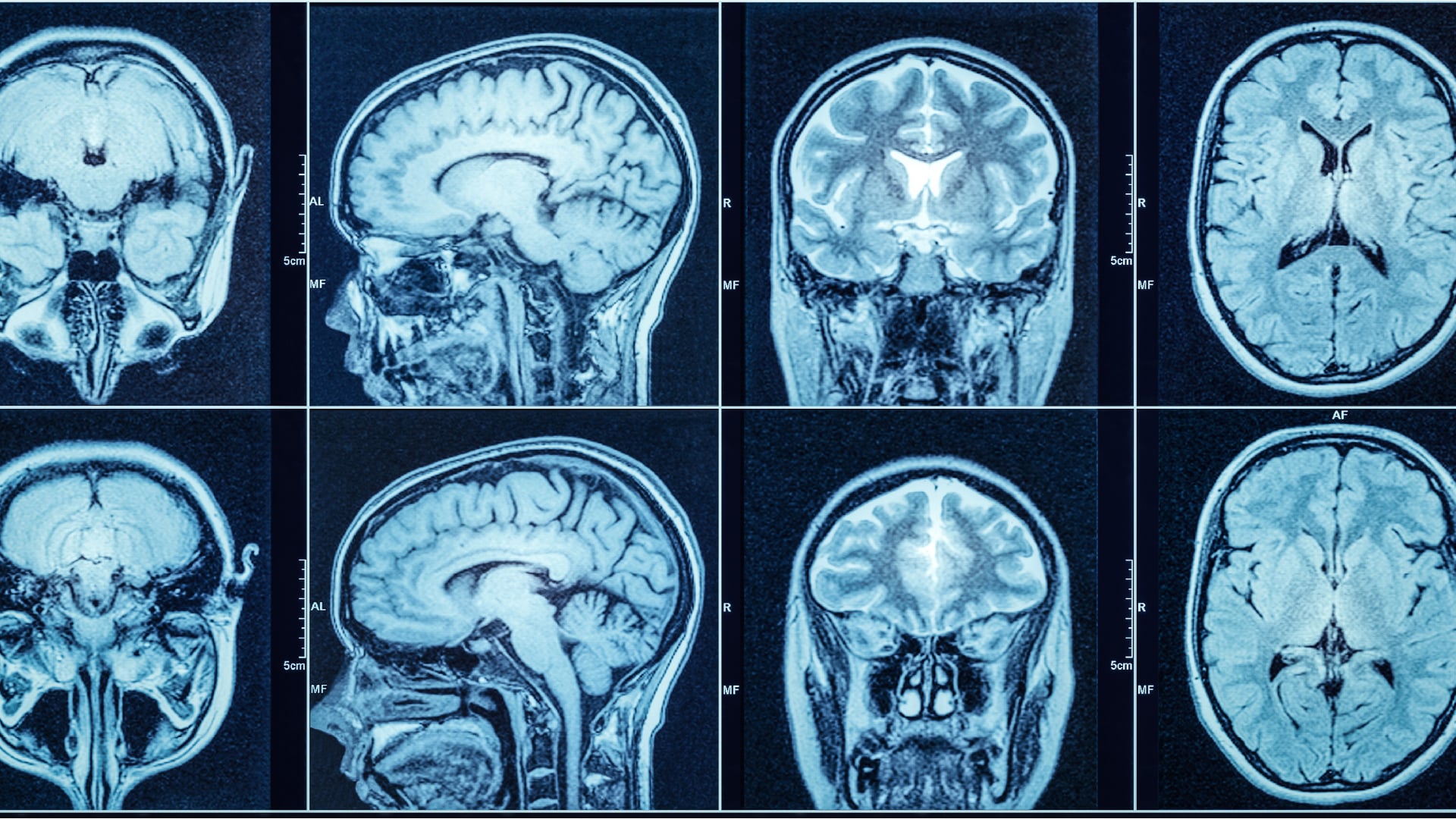
Every five minutes, someone in the world is diagnosed with multiple sclerosis (MS). This disease affects more than 2.8 million people worldwide, including 55,000 in Spain. It usually appears between the ages of 20 and 40 (being the second leading cause of disability among young people) and three out of every four sufferers are women.

MS is an neurodegenerative disease of autoimmune origin that affects the brain and spinal cord. It occurs when the immune system mistakenly attacks the protective layer of neurons (called the myelin) and their axons (the part that connects them to other nerve cells). When this insulating layer and part of the neurons are damaged, communication between the brain and the rest of the body is interrupted,

Share

0
Tuesday 16

News from the Lab: Ultrasound and AI to diagnose childhood meningitis

Published on 16/12/2025

Meningitis is a serious infectious disease that inflames the membranes protecting the brain and spinal cord, called meninges. Detecting the disease in its early stages is essential to prevent its most severe forms, which can even lead to death. However, the current diagnostic method, a lumbar puncture, is invasive and particularly complicated with infants, who often present with very non-specific symptoms. Furthermore, lumbar punctures to diagnose meningitis are costly tests that require a high level of specialisation and resources. As a result, they are performed less frequently in low- and middle-income countries.

Is there a way to improve and facilitate the diagnosis of meningitis? Sara Ajanovic, a paediatrician and researcher at ISGlobal and Vall d’Hebron Hospital,

Share

0
Monday 01

Memory, Stigma, Future Challenges

Published on 01/12/2025

In 2024, 1.3 million people contracted HIV, 40.8 million were living with the virus, and 630,000 died from AIDS-related illnesses. These figures are in addition to the 92.3 million people in total who’ve been infected since the start of the pandemic, according to estimates

More than forty years have passed since the first cases were detected and, although steady progress has been made, we still can’t class HIV as a disease of the past.

So what have we learned after four decades of fighting HIV? What stigma does it carry today? Which scientific challenges remain to be solved? And what social transformations are essential to envisage an AIDS-free future?

Share

0
Friday 14

Leaving insulin behind

Published on 14/11/2025

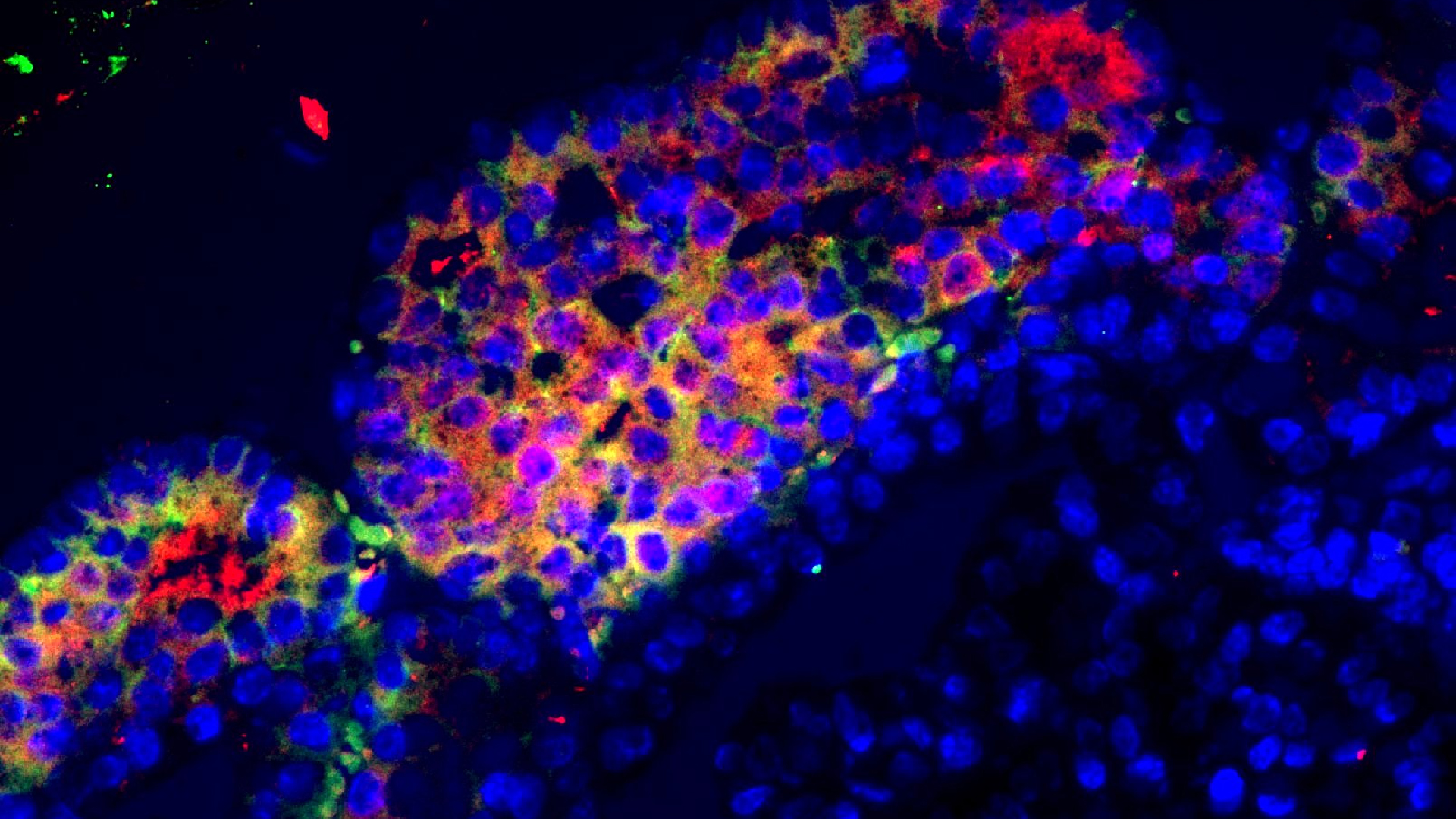
The discovery of insulin in 1921 radically transformed diabetes from a fatal disease to a condition that’s chronic and complex but manageable. Today, a hundred years after that discovery, insulin is still the standard treatment. 

Despite huge technological advances such as smart insulin pumps, glucose sensors and control algorithms, the therapeutic principle has remained the same: to replace a hormone the body can no longer produce or use properly. And although insulin saves lives, it’s still a stopgap: it doesn’t cure the disease or prevent the associated long-term complications.

On World Diabetes Day, we explore new lines of research that seek to go one step further: to release patients from their dependence on chronic treatments,

Share

0
Thursday 30

Mental health: the great unfinished business

Published on 30/10/2025

45% of people will experience a mental health issue at some point in their lives. In fact, mental disorders are now the leading cause of disability worldwide in all age groups, surpassing any other health problem in terms of impact.

Anxiety, depression, addiction, bipolar disorder and schizophrenia are just a few examples of conditions which, despite their prevalence, are still affected by stigma and barriers to their diagnosis and treatment.

For decades, the debate around mental health has oscillated between two poles: those who prioritise biological factors and those who emphasise social determinants. However, the latest research shows that this dichotomy is artificial, hindering progress in truly understanding these disorders.

Share

0
  • Archive