

Glossary of the Heart
Published on 29/09/2026
Cardiovascular disease accounts for one in three deaths worldwide, making it the leading cause of death today. Behind this figure lies a long list of conditions whose symptoms don’t always give any warning, and risk factors that can go unnoticed until their consequences are irreversible.
That’s why cardiovascular research is advancing in three crucial and complementary directions: firstly, prevention before the first symptoms appear; secondly, more accurate diagnosis; and finally, the development of treatments capable of repairing damage to the heart and restoring its function once the disease has developed.
Today, on World Heart Day, we highlight some of the areas our research community is working on, which define the present and open up new paths towards the future of these three fields, all with a shared goal: to improve the care of our hearts.
Welcome to our Glossary of the Heart
PREVENTION
80% of cardiovascular diseases are preventable. One of the goals of current research is to anticipate them: knowing the state of our hearts and understanding what can cause them to become diseased prematurely are two key aspects in achieving this.
Cardiac age
From the Greek and Latin: kardia, aetas
An estimate of the biological age of a person’s cardiovascular system, calculated based on risk factors such as blood pressure, cholesterol, smoking, weight, physical activity and medical history.
More and more cardiovascular problems are being detected at an early age, even before 40. What’s causing our hearts to age prematurely? And above all, can we prevent it?
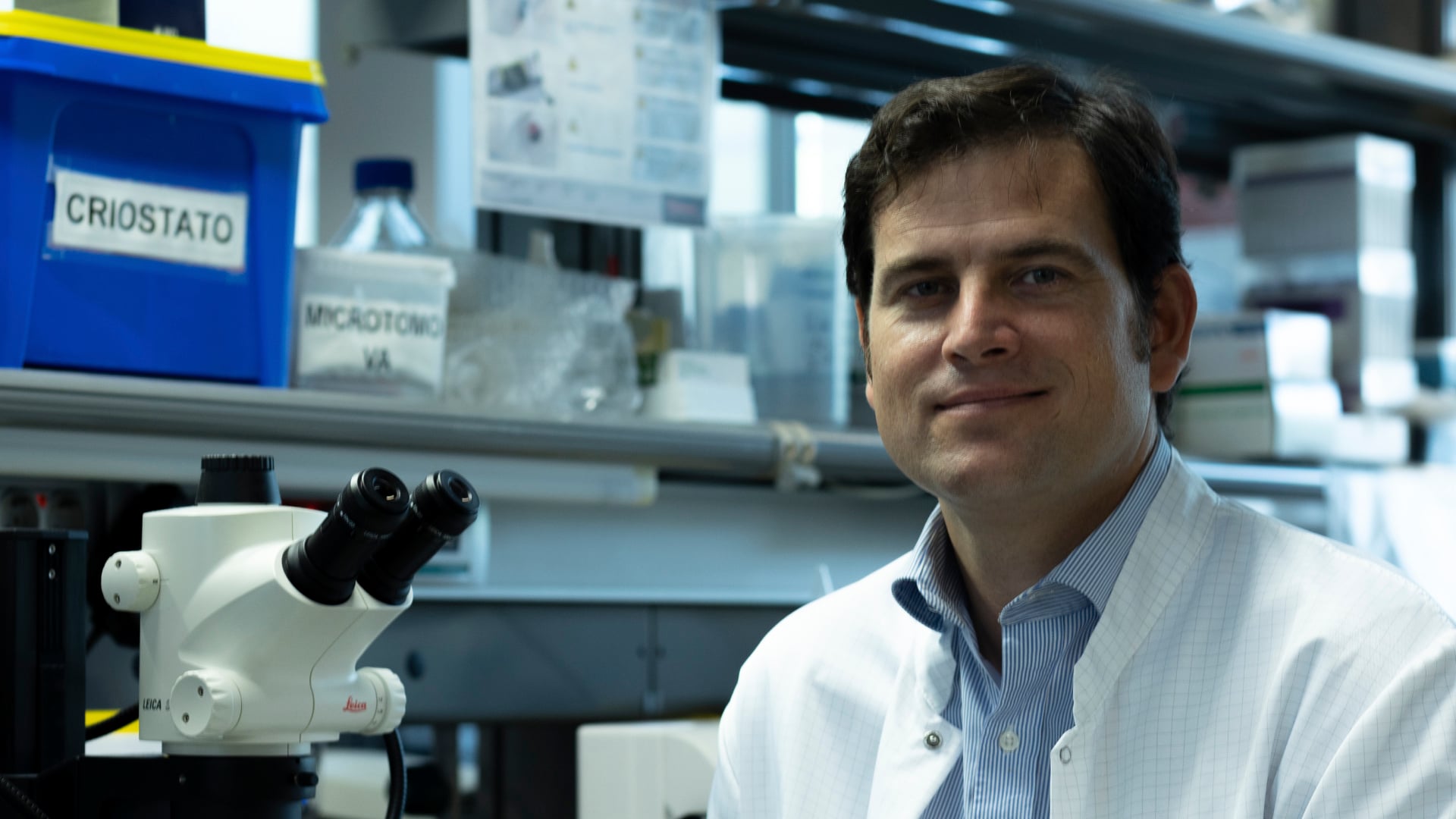
Borja Ibáñez
Borja Ibáñez, a researcher and ‘la Caixa’ Foundation fellow (National Centre for Cardiovascular Research, CNIC), is studying why cardiovascular diseases are appearing at an increasingly younger age and how we can anticipate them. In our article ‘How old is your heart?’, he explores, alongside other researchers, the causes of this trend and the challenges involved in preventing it.
Cardiovascular risk
From the Greek and Latin: kardia, vasculum, resecum
The likelihood of suffering a serious cardiovascular event, such as a heart attack or a stroke, due to a disease of the heart or blood vessels.
Is it possible to calculate our chances of having a heart attack or stroke before it occurs? The answer depends on many factors: age, blood pressure, cholesterol, smoking, diet and a sedentary lifestyle, among others. Some of these can be changed and others cannot, but being aware of them enables us to estimate cardiovascular risk and take action before the disease develops.
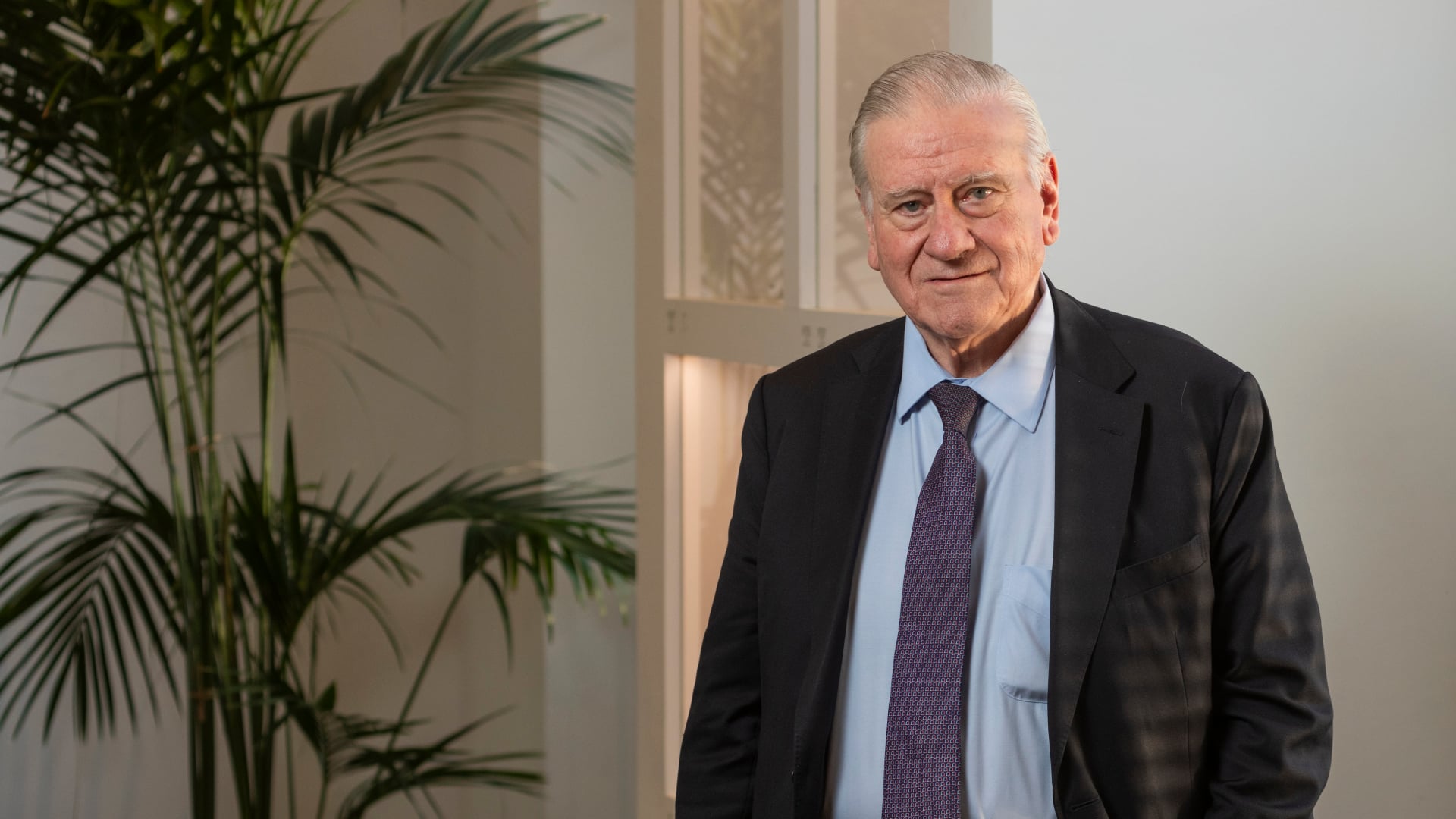
Valentí Fuster
Researcher Valentí Fuster (CNIC) has spent decades investigating how to identify and reduce the factors that increase cardiovascular risk. In this blog post, ‘4 tips for preventing cardiovascular disease’, he shares some of the key ways to reduce this risk and look after our cardiovascular health.
DIAGNOSIS
Perfusion magnetic resonance imaging
From the Latin: perfundere, magnetĭcus, resonantia, imago
A technique that assesses blood flow in real time in organs such as the brain or heart.
Coronary heart disease is the leading cause of death worldwide. It occurs when blood flow to the heart is restricted, and early detection is essential to enable action to be taken before it leads to potentially serious consequences.
One of the techniques used to study this is cardiac perfusion magnetic resonance imaging, a non-invasive test that reveals how well the blood is reaching the heart. However, the images produced still have limitations and the data can be complex to interpret.
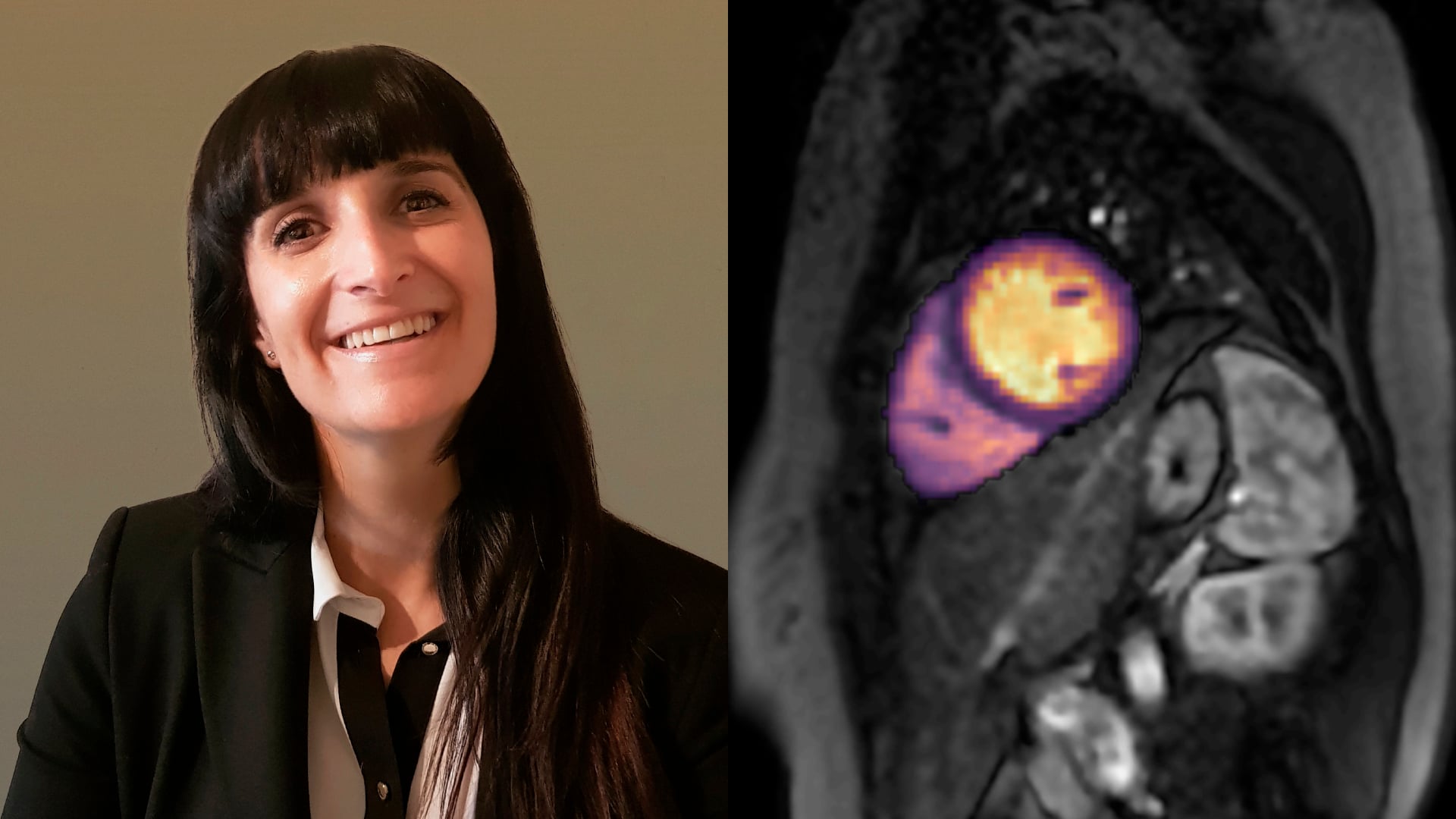
Left: Teresa Matías Correia; right: perfusion magnetic resonance imaging.
To improve this technique, researcher Teresa Matias Correia (Centre of Marine Sciences, CCMAR-Algarve) is combining mathematical models of blood flow with artificial intelligence to obtain more accurate images and improve diagnosis. Would you like to find out more? Read all about it in ‘Science focuses on heart care’.
TREATMENT
Once cardiovascular disease has appeared, the challenge is to repair the damage, restore heart function and improve patients’ quality of life. To achieve this, research is exploring increasingly precise strategies: from stimulating tissue regeneration to developing new devices, drugs and therapies.
Angiogenesis
From the Greek: angeîon, genesis
A biological process by which new blood vessels are formed from pre-existing ones.
When a heart attack occurs, part of the heart’s tissue may be irreversibly damaged. What if we could help the heart to recover some of that function?
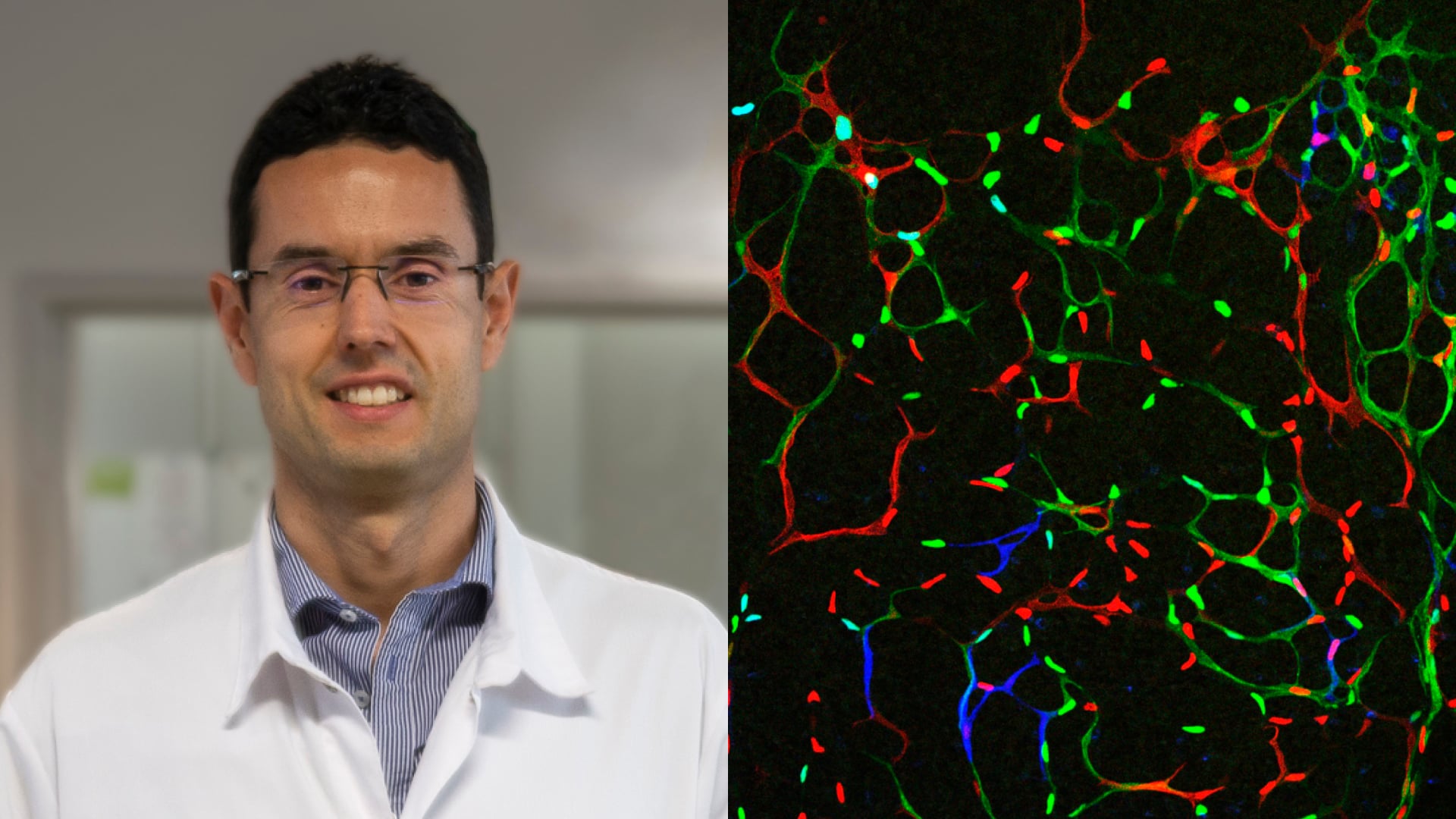
Left: Rui Benedito; right: angiogenesis.
Researcher Rui Benedito (CNIC) and his team are studying how to stimulate the formation of new blood vessels using gene and drug therapies. This strategy could open up new avenues for repairing the heart after a heart attack and preventing the onset of heart failure. Find out more about their project in the blog.
Sequential cardiac resynchronisation
From the Latin and Greek: sequentia, kardia, re-, synchronos
A technique involving electrical stimulation designed to restore the heart’s natural rhythm following heart failure.
As heart failure progresses, some patients require a biventricular pacemaker to resynchronise the contraction of the ventricles. However, around one in three don’t respond adequately to this treatment.
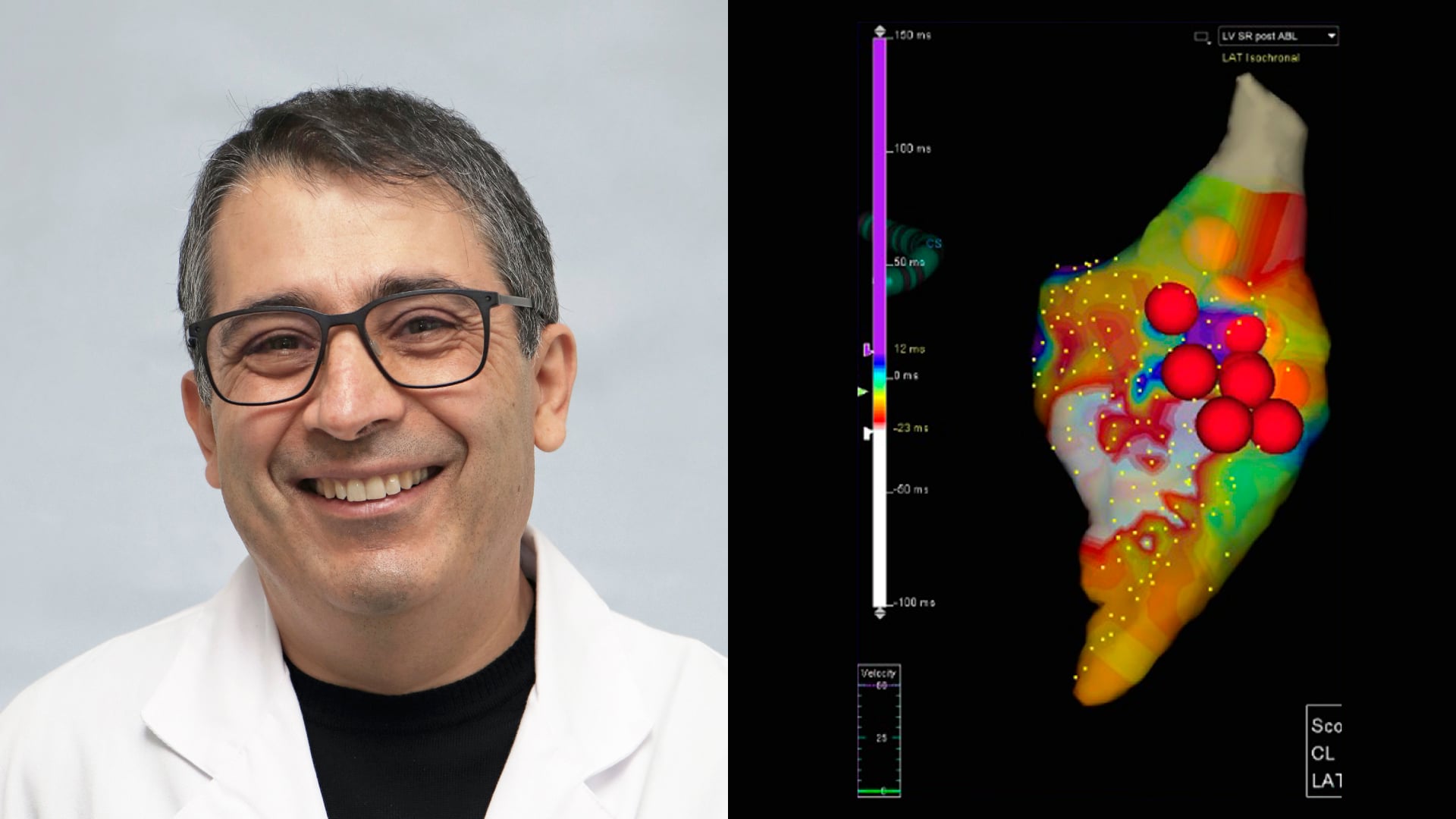
Left: Adelino Leite-Moreira; right: sequential cardiac resynchronization.
To improve these outcomes, the team led by researcher Adelino Leite-Moreira (University of Porto, UP) is developing an alternative: sequential cardiac resynchronisation therapy (SECRET), a device capable of adapting to the heart’s electrical impulses which can be implanted using minimally invasive techniques. The prototype is currently in the preclinical phase. Would you like to find out more? Read all about it in this article in our research blog.
Mechanical heart valve
From the Latin and Old English: mechanĭcus, heorte, valvŭla
A highly durable artificial device (made from materials such as pyrolytic carbon and titanium) designed to replace a damaged valve in the heart.
Is it possible to replace a mechanical heart valve without resorting to open-heart surgery? A study led by researchers Alberto San Román (Valladolid University Clinical Hospital) and Borja Ibáñez (CNIC) demonstrates that it is.
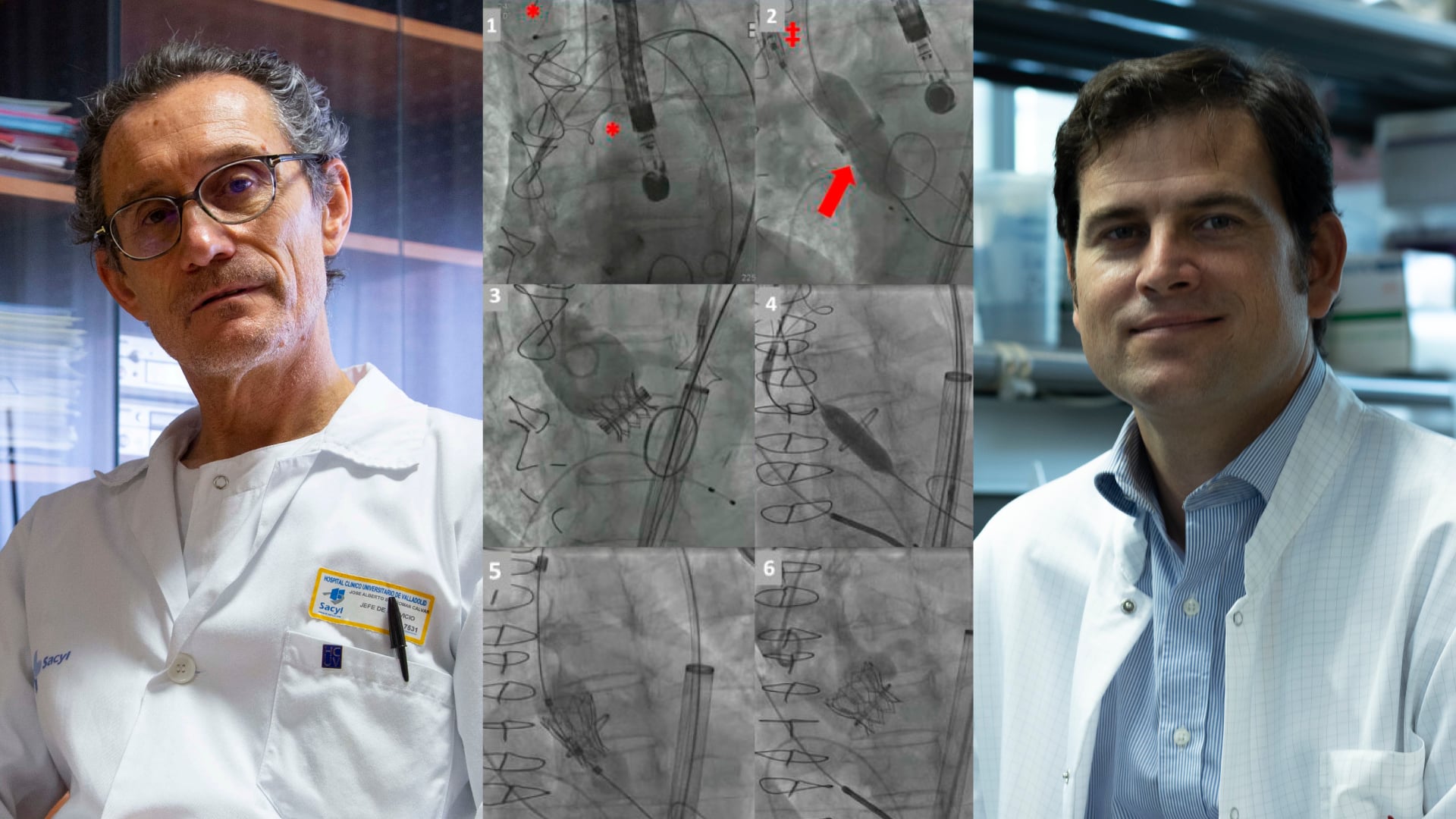
Left: Alberto San Román; centre: mechanical heart valve; right: Borja Ibáñez.
This new technique could offer a less invasive alternative for elderly patients with valvular disease. The project was also the subject of a ‘Snapshot of the Month’, in which architect and visual artist Maria Rius explored the breakthrough from an artistic perspective.
Epicardium
From the Greek: epi-, kardia, -ium
The membrane covering the heart, essential for its formation and regeneration in adulthood.
For years, research has sought to regenerate the heart following a heart attack using stem cells, with results that have so far been limited. We now know that the epicardium itself can play a key role in this repair of cardiac tissue.
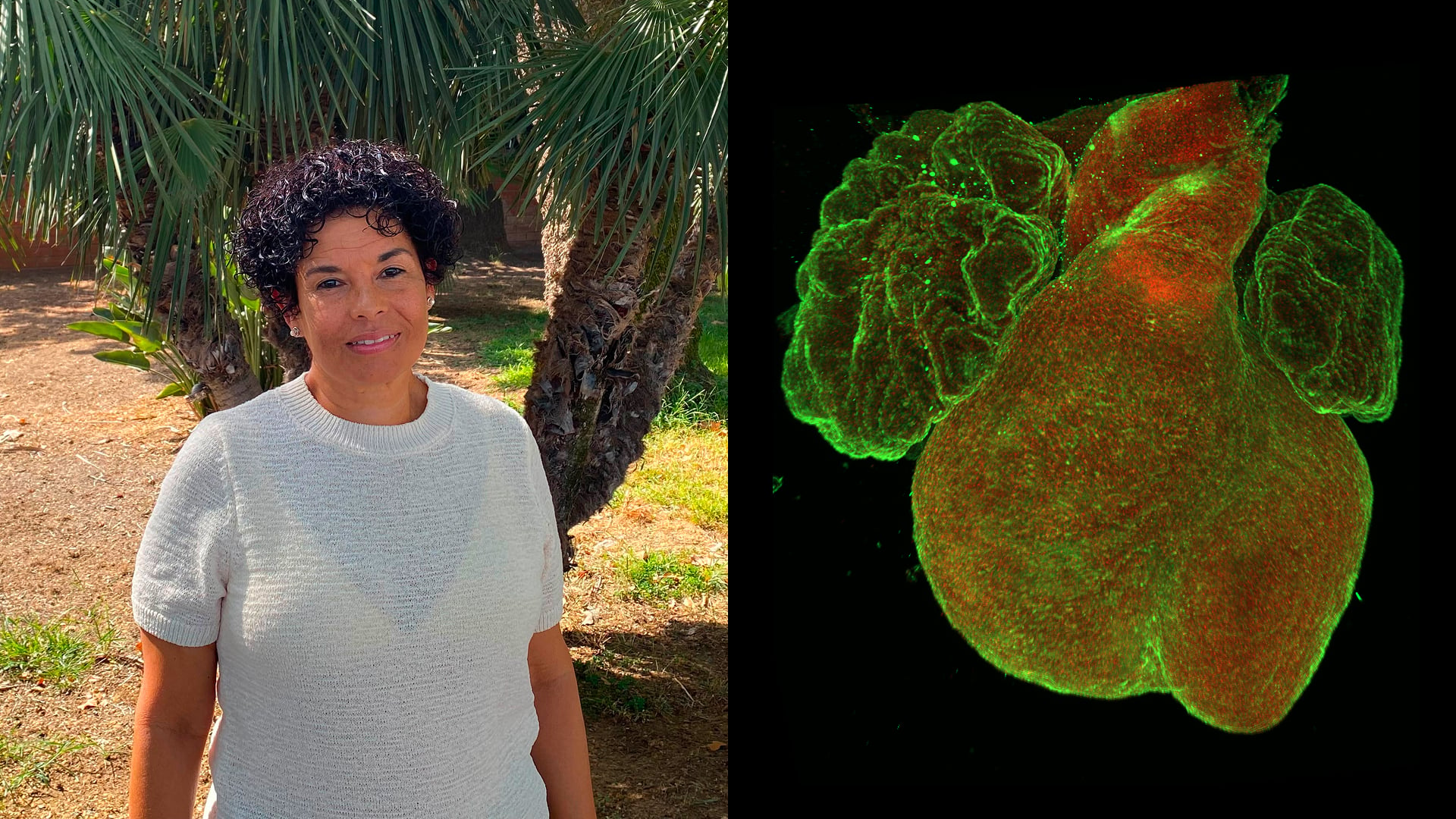
Left: Ofelia Martínez; right: epicardium.
Researcher Ofelia María Martínez Estrada (University of Barcelona, UB), together with her team, has demonstrated that epicardial cells are involved in the formation of healthy tissue following a heart attack. This discovery opens up new avenues for the development of future regenerative treatments. Read all about it in the article “New horizons in the prevention, diagnosis and treatment of cardiovascular diseases”.
Cardioprotective photopharmacology
From the Greek and Latin: kardia, protegere, phōto-, phármakon, logos
Light-activated drugs that dilate blocked blood vessels during angioplasty, acting locally to reduce the need for prolonged treatment and its side effects.
One of the major challenges in pharmacology is to develop more effective and precise treatments with fewer side effects. Photopharmacology aims to achieve this through drugs that are activated only when exposed to light, providing control over where, when and for how long they act.
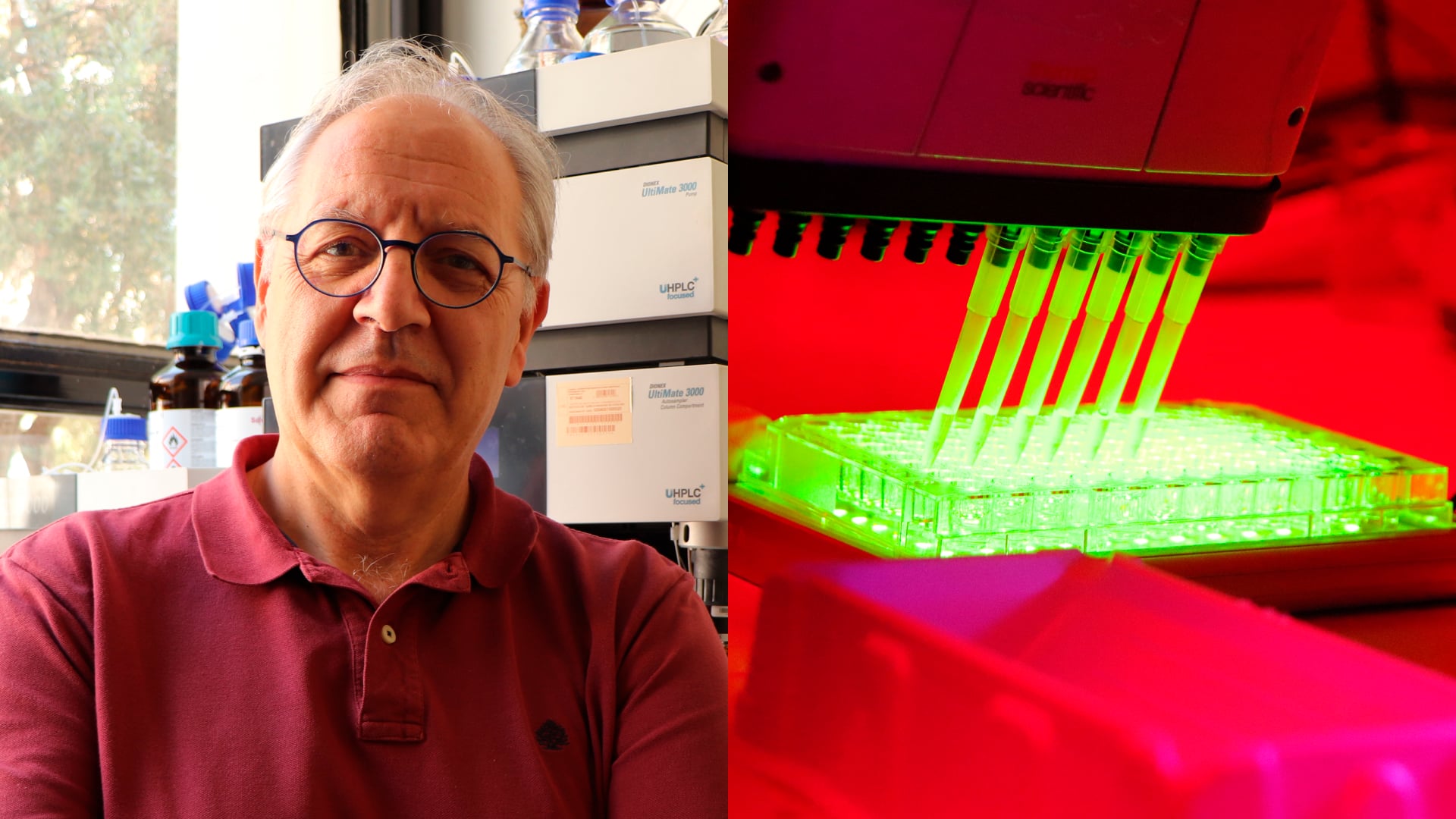
Left: Amadeu Llebaría; right: cardioprotective photodrug.
Amadeu Llebaria’s team (Institute for Advanced Chemistry of Catalonia, IQAC-CSIC) is investigating this strategy to reduce the damage caused to the heart during a heart attack and to move towards more localised and precise cardioprotective treatments.
You can read his interview in the Health Research Debate: ‘Can a light-activated drug restore vision or reduce heart damage?’.