

Redefining free will
Published on 17/03/2026
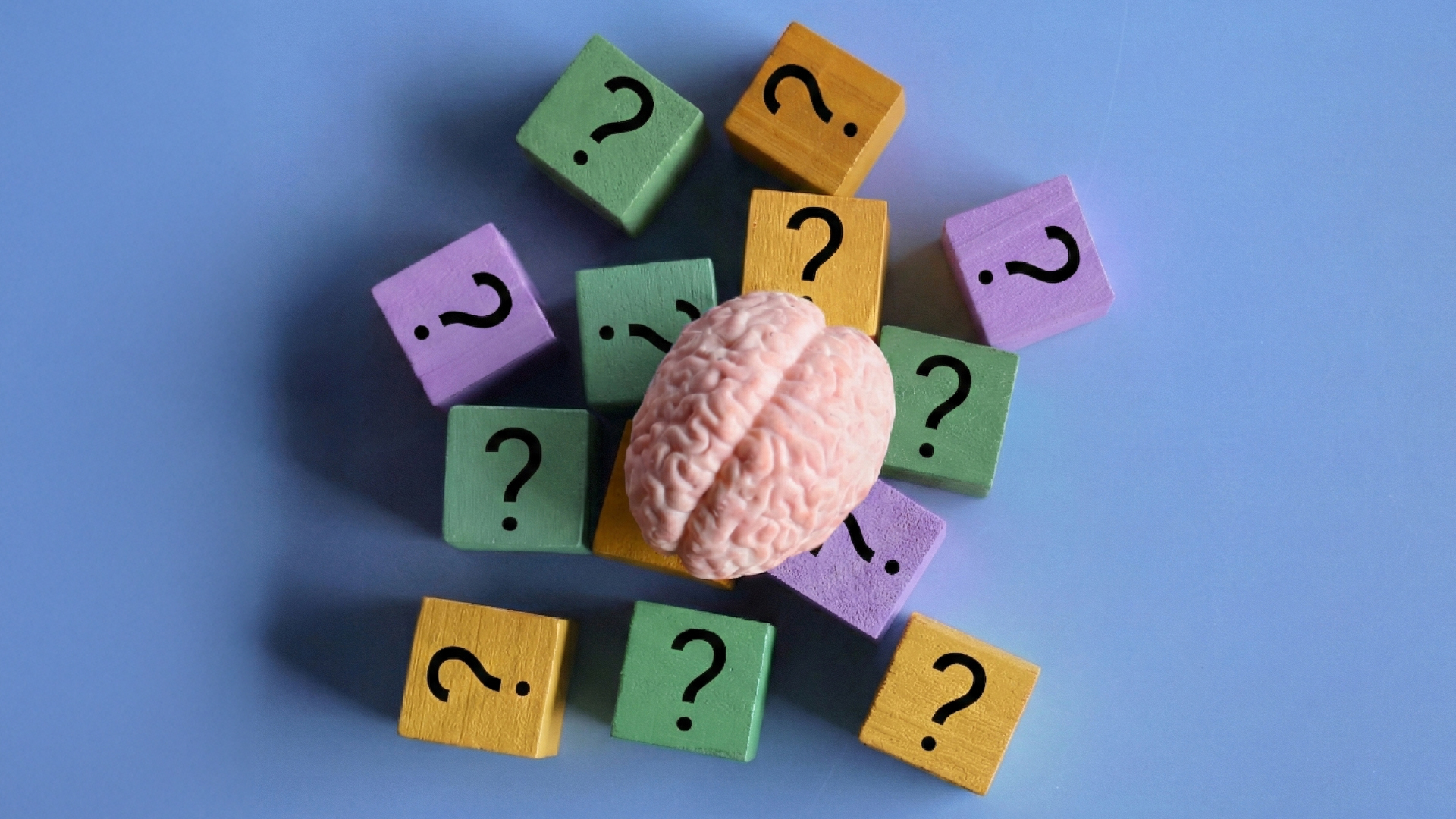
Every day we make hundreds of decisions: choosing a certain path, stopping at a traffic light, trusting someone or not… And the curious thing is that many of these decisions are made before we’re even aware of them. It’s as if our brain had a kind of autopilot that enables us to act quickly, guiding our choices almost imperceptibly. But do we know how it works and why it decides what it does? Are we truly free, or are we dependent on it?
Behind every decision lie invisible, complex processes that researchers such as Joseph Paton, Director of the Champalimaud Neuroscience Programme and Principal Investigator at the Champalimaud Foundation in Lisbon, are attempting to decipher from the neurobiology of behaviour: neural circuits that evaluate rewards, anticipate consequences and adjust our responses almost automatically.
At the same time, experts in behavioural psychology, such as fellow Paula Barea, a Psychologist specialising in cognitive science at the University of Seville, analyse how experience, environment and learning shape our choices.
Today, we talk to both of them about what lies behind our choices and how current knowledge regarding how we make decisions reveals a lot about our past, present and future. Do we really decide of our own free will or do our brains make a decision before we realise it?
We begin with what is perhaps the most obvious question but also the most difficult to answer: within our brain, who decides?
“Imagine you have to choose between a slice of cheesecake or an apple for dessert, or between relaxing by watching a series or going for a run. In both situations, you have an option that will give you more immediate pleasure but, in the long run, has a higher cost; and another option that may be less appealing but you know it will be more satisfying in the long run. When you try to decide what to do, neural circuits and different areas within your brain are involved in measuring the cost/benefit of each option”, explains Joseph. He goes on to clarify: “For example, the instant hedonistic value you get from the sweet taste of cheesecake inhabits a different place in the brain than the value of the satisfaction of eating an apple and feeling you’re taking better care of your future health”.
Joseph explains that, in a way, “the brain works hierarchically, analysing this information on multiple time scales and degrees of abstraction. But it also works in parallel, so a large number of circuits can be active at any given time, all vying to control your behaviour, your final decision”.
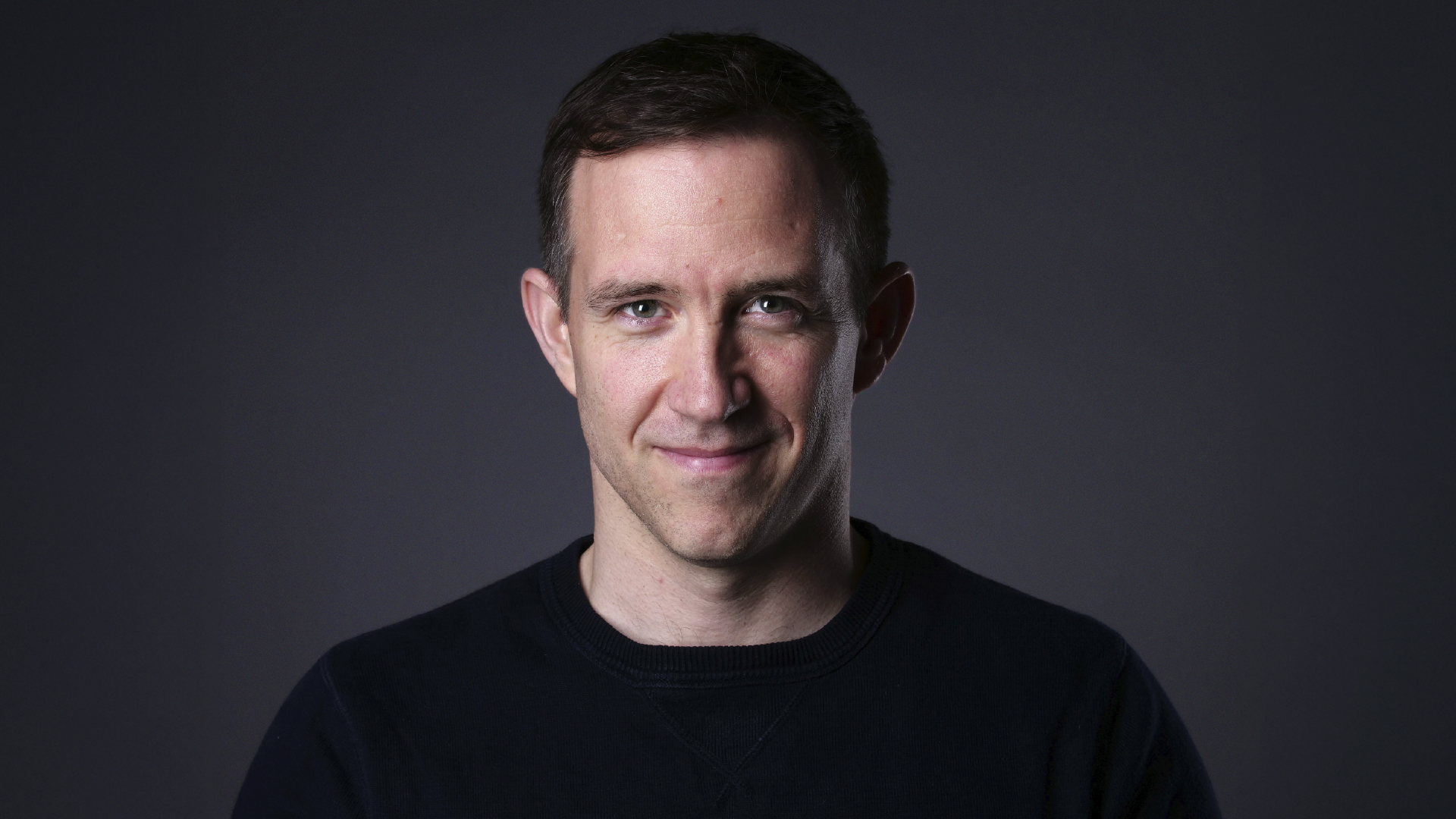
Joseph Paton
Which values win out, with more or less immediate rewards, depends on many factors, on each person, on each moment. However, such decisions are made very quickly, sometimes without us even feeling that we’ve decided anything.
But why does our brain work in this way? Why do we have this tendency to decide without realising it? Paula points out that we’re born with this ability. “Primates, both human and non-human, have evolved to develop these rapid, automatic decision-making systems that increase the likelihood of choosing the most beneficial alternative. They minimise potentially lethal risks and maximise rewards that are relevant to survival“.
Both Joseph and Paula talk about rewards. Do we unconsciously decide which rewards are most valuable to us? Joseph says that, at a neurobiological level, reward systems (specifically, through the release of the neurotransmitter dopamine) play a fundamental role but it’s more complex than people realise. “People tend to think that dopamine is a brain signal that indicates pleasure. However, dopaminergic neurons, which release dopamine, mainly signal when our brain predicts that a certain reward is coming, even when, in reality, it’s not. These prediction errors, either because the reward is greater or because it’s less than expected, form the basis of reinforcement learning. They enable us to recalibrate our expectations regarding the amount of pleasure we’ll obtain at a given moment or in response to a given stimulus. Through dopamine, and thanks to the brain’s plasticity, we can gather information about what we experience and know what has given us good rewards in the past and what has not. This is what intuition is all about”. What we experience as a hunch, therefore, are actually layers of past knowledge we’ve accumulated unconsciously, providing us with a mental map of what’s good for us and what’s not. “The computational algorithms at the heart of most AI models rely on these types of prediction errors to learn how to behave appropriately in complex environments, and there’s plenty of evidence that our brains use similar algorithms“ adds Joseph.
These neural mechanisms come as standard; we’re born with them, and personal experience shapes how they develop. Paula explains: “One example is when, in a social situation, we decide to take part in a conversation and make a comment. Even though we may believe we’ve spontaneously decided to start talking, this behaviour is shaped by years of learning in social contexts. We’ve learned to recognise when it’s appropriate to take turns in speaking and what kind of contribution is relevant in each context. We don’t need to be aware of past experiences in which we might have interrupted too soon or talked too much in order to add that learning to our behavioural repertoire and initiate it automatically in the appropriate situation. The experience and prior learning we’ve acquired throughout our lives create cognitive schemas that form the basis of how we operate in the world, and these enable us to recognise patterns implicitly. When we’re faced with several alternatives, automatic processes based on these schemas are activated, enabling us to solve the problem and make a decision”.
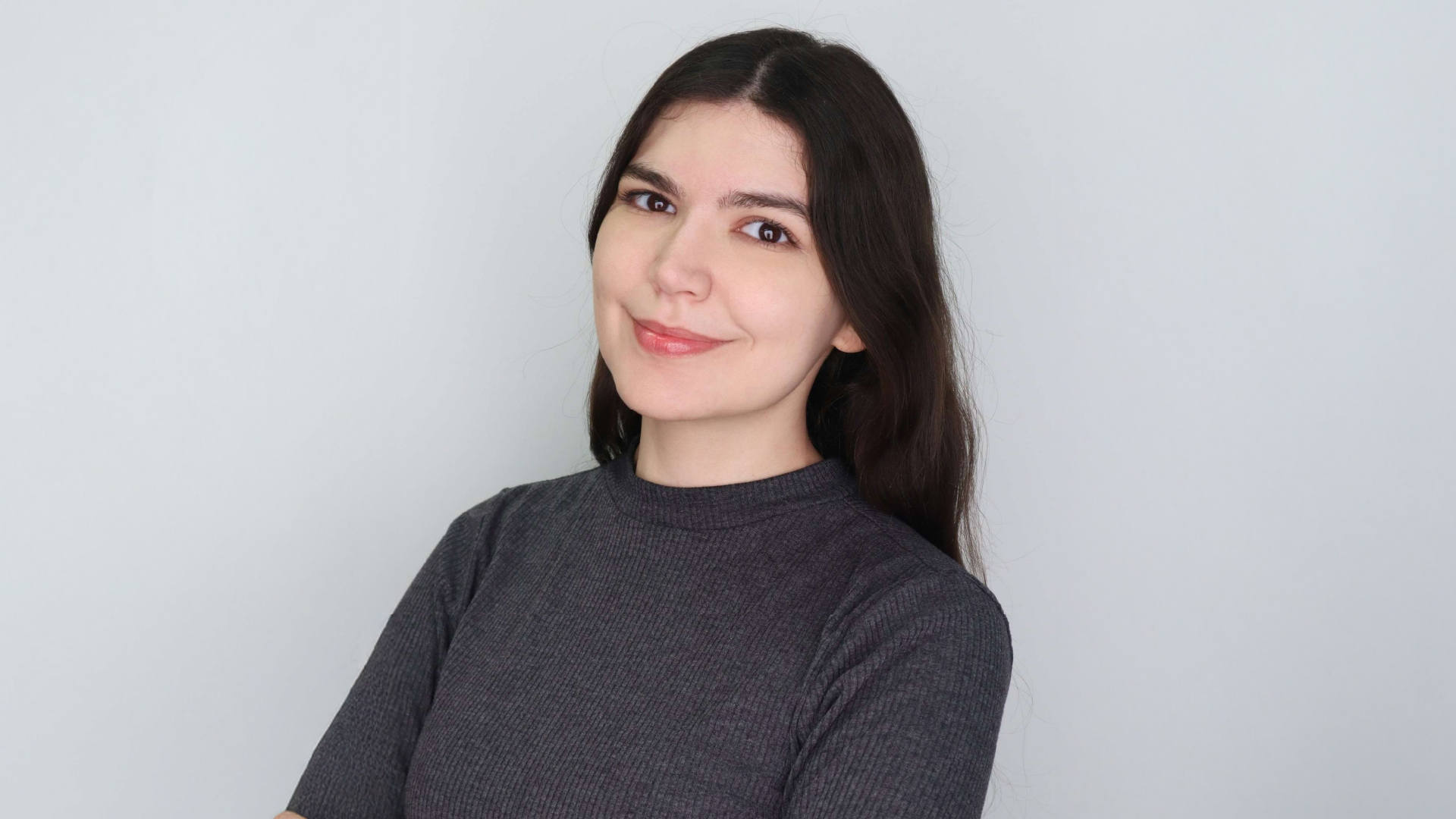
Paula Barea
But there are also decisions that have been learned even before birth. We inherit ancestral knowledge from our predecessors, even our non-human ancestors: cognitive biases, automatic mechanisms acquired evolutionarily to solve problems automatically. Paula explains this a little better: “It wouldn’t be efficient to devote our limited resources to every decision we have to make, and cognitive biases help us to decide” she tells us. “An example of this is the framing effect. People may have a favourable opinion about a medical treatment when told that it saves 90% of lives, whilst they may have a very negative opinion about a treatment that loses 10% of its patients. In reality, the two are exactly the same. But depending on how the same information is presented, even though the objective result and all the data are identical, people make different judgements. This also occurs in non-human primates. In one study, a group of capuchin monkeys (Cebus apella) preferred to always be given one piece of apple and sometimes win an extra piece, rather than always receive two pieces of apple and sometimes lose one of the pieces. The result, the final amount, was the same in both options.
Paula explains that “although humans, at least in theory, can reason and realise the error, because we have language and abstract and symbolic thinking, this more sophisticated and conscious decision-making system doesn’t replace our automatic system; both systems work in parallel and one or the other predominates depending on the demands of the situation“.
So could we say that there are different types of decision? More automatic decisions, based on our evolutionary past; others that are also automatic but based on our learning through past experiences; and others that are non-automatic, more rational and conscious, when we take our time? Is each of them controlled by different neural circuits?
“Decisions lie within a spectrum and, in fact, the concept of ‘decision’ can vary in different areas of neurobiology“ explains Joseph. ‘For instance, a cognitive scientist might tell you that decisions require the prior inspection of different options and deliberation leading to a choice, which would be related to decisions made in high-level circuits in the prefrontal cortex and other highly sophisticated cortical areas linked to executive and complex functions. But there are also other kinds of decisions, those made unconsciously and related to our habitual, everyday behaviours, which are processed in lower-level circuits in subcortical areas. Finally, other researchers believe that, when your spine ‘chooses’ to activate your quadriceps muscle because your doctor taps your knee with a reflex hammer, there’s a decision involved, even if it’s highly automated”.
And what about emotions? Do they also influence the way we make decisions? Paula answers emphatically: “Yes, profoundly. From an analytical point of view, the goal is always to choose the option with the highest reward value, and emotions skew (i.e. increase or decrease) our perception of those values. For example, patients with neurological damage that affects how they process emotions tend to take riskier decisions, possibly because they don’t experience the usual fear of negative consequences”. So brain damage can also influence how we decide? Joseph explains: “Yes, various neurological dysfunctions can lead to abnormal decision-making. From perception deficits to emotional deficits or problems with reward processing and impulse control. All this can lead to poor decision-making. The better we understand, in detail, how the brain’s decision-making process works, the better options we’ll have to help these patients“.
Can we modify our automatic decision-making patterns to make more conscious choices? “Yes, to a certain extent, through strategies such as cognitive restructuring, which allows us to replace previous patterns with more adaptive ones when biases or emotions work against us. It’s also possible to use executive control and employ our explicit, deliberate decision-making system in situations where we’d have previously responded automatically. However, our automatic decision-making system has evolved to enable us to solve problems quickly and effectively. So, in general, we should acknowledge that it’s an evolutionarily valuable tool in a complex world” concludes Paula.