

Cancer. One name, many diseases. We ask the expert
Published on 25/02/2026
Every advance begins with a question. Physicians in classical Greece wondered what the abnormal tissue was that grew uncontrollably and affected their patients’ health. They called it karkinos (“crab”) because of its hardness and resemblance to the crustacean and the word we still use today comes from that term.
2,400 years later, we now know there are over 200 types of cancer. Cancer isn’t a single disease but many, and it requires many questions. In this article, we’ve compiled some of the doubts sent to us by our community and tackle them together with two experts in clinical practice and research.
Elisa Espinet, a researcher for ”la Caixa” Foundation Health Research and Group Leader at the Pancreatic Cancer Laboratory of the Barcelona University’s Faculty of Medicine and the Bellvitge Biomedical Research Institute (IDIBELL), and Irene Braña, a ”la Caixa” Foundation fellow, medical oncologist at Vall d’Hebron University Hospital, Head of the Head and Neck Cancer Group at the Vall d’Hebron Institute of Oncology (VHIO), and researcher at the Cancer Molecular Therapy Research Unit (UITM)-CaixaResearch, also at VHIO, will help us to understand better a complex situation that affects us all.
Let’s begin:
Not all tumours are the same, nor do all patients respond in the same way. Why is it important for us to understand the diversity of cancer?
ELISA: Just as the cells in our skin aren’t the same as the cells in our eyes, tumours that originate in different organs also differ from one another. For example, skin melanoma isn’t the same as uveal (ocular) melanoma and, consequently, they shouldn’t be treated in the same way, just as we don’t use the same cream for our skin as we do for our eyes. Even within the same organ, there are different types of cells and each one can give rise to tumours with different characteristics. Understanding this is key to advancing towards increasingly personalised medicine.
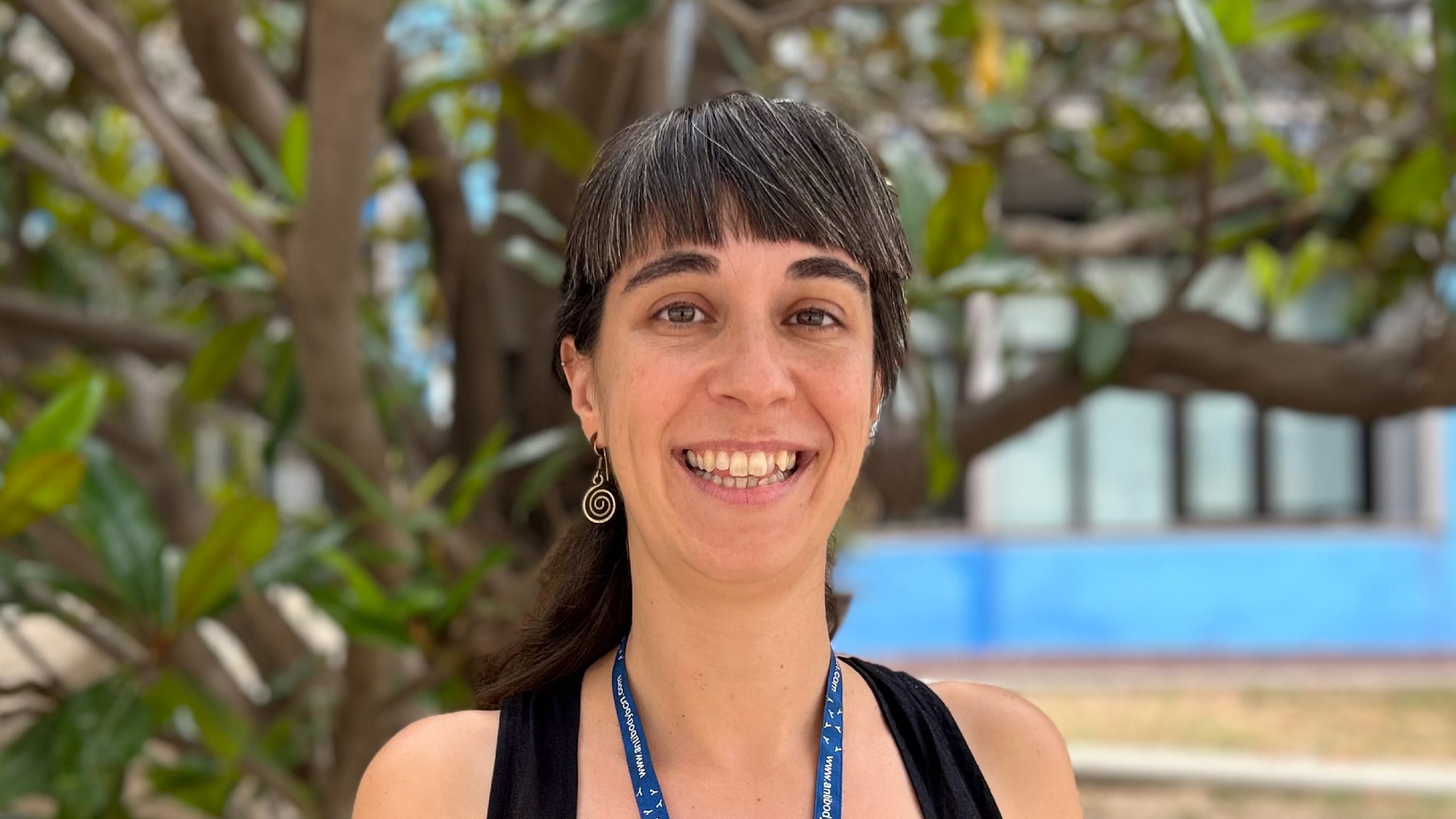
Elisa Espinet, a researcher for ”la Caixa” Foundation Health Research and Group Leader at the Pancreatic Cancer Laboratory of the Barcelona University’s Faculty of Medicine and the Bellvitge Biomedical Research Institute (IDIBELL).
What about genetics? What role does it play in the development of cancer and how does it combine with other risk factors (social, environmental, etc.)?
IRENE: Genetics plays an important role but we need to differentiate between hereditary predisposition and acquired genetic alterations. Only about 5-10% of cancers are due to mutations inherited from our parents, such as BRCA1/2 or Lynch syndrome. Most cancers, however, are caused by genetic changes accumulated by cells throughout life, influenced by factors such as smoking, alcohol, diet, obesity, infections and environmental exposures. Cancer usually results from the interaction between our biology and our environment.
Is it true that there’s been a decrease in the age of onset of some types of cancer? Why?
IRENE: Yes, in recent years we’ve seen an increase in some cancers in people under 50, especially colorectal, breast and endometrial cancers. There’s no single clear cause but factors such as those I mentioned earlier, related to lifestyle changes, probably play a role: more widespread obesity, metabolic alterations and possibly environmental factors. Greater awareness and diagnostic capabilities, which lead to earlier detection, may also play their part although this doesn’t fully explain the trend. It’s a phenomenon we’re studying intensively because it has significant implications for prevention and screening strategies.
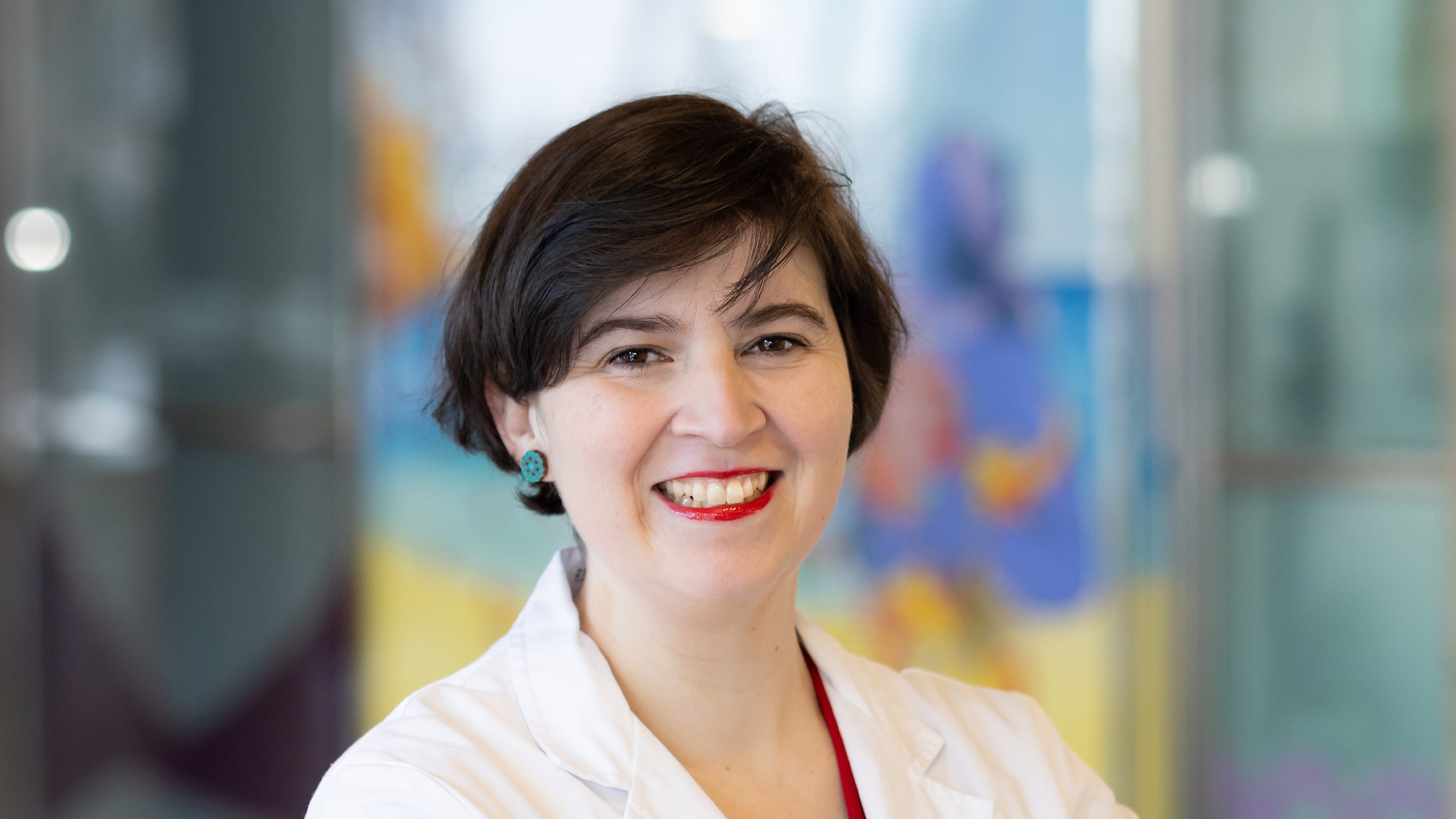
Irene Braña, a ”la Caixa” Foundation fellow and Director of the Head and Neck Cancer Group at the Molecular Therapy Research Unit (UITM)-Caixa Research at the Vall d’Hebron Institute of Oncology (VHIO).
What’s the average time from the onset of a tumour process to it becoming detectable as cancer? How does this vary between different types of tumours?
ELISA: As Irene said, the cells in our bodies continuously undergo mutations (DNA errors). In most cases, these errors are corrected or the damaged cells disappear. But when some of these errors become fixed in the DNA and accumulate over time, a tumour process can begin. This can take several years, even decades, although it depends on the tissue where the phenomenon occurs. Detection also depends greatly on the type of cancer. Tumours that appear in more visible places (breast, skin/melanoma) are more readily detectable because they’re “in plain sight”. Others, such as pancreatic cancer, take longer to detect as the organ isn’t visible and the symptoms are non-specific.
Speaking of diversity in cancer… some people develop metastases while others don’t. Why is that?
ELISA: Little is known as yet. We’re beginning to realise that the way the tumour interacts with its environment or its ability to move and survive outside the organ of origin are what enable its cells to travel to other organs and end up initiating a lesion there. Consequently, understanding the specific characteristics of each tumour is important because it will help us to predict which patients are more likely to suffer from metastasis and to develop therapies that can delay it or even prevent it from happening.
And why do some people relapse?
IRENE: Because, despite initial treatment, microscopic tumour cells may remain undetected and eventually grow back. And, as Elisa said, the biology of the tumour also plays a role, as in the size and extent of the cancer at the time of diagnosis (what we call the “stage”). Some are more aggressive or develop mechanisms to withstand treatment.
Of course, the timing of diagnosis is also important. Is there a common indicator in all cancers that can alert us to their presence before any symptoms appear?
ELISA: No, there’s currently no common indicator or universal biomarker for all types of cancer before any symptoms appear. One of the most widely studied markers in liquid biopsy is the detection of tumour DNA (if there’s no tumour, there’s no source of tumour DNA and, therefore, no tumour DNA circulating in the blood). However, returning to the diversity we’ve been discussing, the levels of circulating tumour DNA can vary greatly between different types of cancer and also between patients with the same type of tumour. Resolving such questions is one of the great challenges we face today in order to progress towards earlier and more accurate detection.
What exactly is liquid biopsy? And what types of cancer can currently be diagnosed using this technique?
ELISA: It consists of finding, usually in a blood sample, molecules that, under normal conditions, shouldn’t be present in the blood. Specifically, genetic material, tumour DNA or RNA. What’s more, the specific amount of these molecules, these biomarkers, can provide information regarding the progression of the disease: if the quantity increases, it would indicate that the disease is advancing, while if it decreases, such as during treatment, it would indicate the tumour is responding well. In more advanced stages of the disease, such as when there’s metastasis, there may be a higher presence of these tumour markers in the blood and, as a result, the detection and use of this technique may be more accurate. Liquid biopsy is being used in metastatic breast cancer, small cell lung cancer and colon cancer but it’s important to note that the presence of biomarkers depends on the type of tumour and the patient and we don’t know enough yet about how it’s regulated.
Chemotherapy and radiotherapy are the most well-known treatments. But what other treatments have been shown to be effective in certain types of cancer?
IRENE: Cancer treatment depends on the type and stage but, yes, we continue to use surgery, chemotherapy and radiotherapy as fundamental treatments. However, targeted therapies and immunotherapy have come to the fore in the last decade, acting on specific tumour alterations or boosting the patient’s immune system. We also use hormone therapy for certain tumours and cell therapies in specific contexts, such as CAR-T therapies for haematological tumours.
The immune system is key in the development of cancer. And there are tumours that hide from it. How can we eliminate them?
ELISA: There are several mechanisms by which a tumour protects itself from being seen and/or attacked by the immune system, so there are different strategies depending on that. For example, if tumour cells protect themselves by producing molecules that slow down the action of the immune system, we can use drugs that “turn off” or block those signals, which is the case with anti-PD-1 and anti-PD-L1 therapies. Alternatively, if the immune system is “asleep”, we can obtain immune cells from the patient themselves, modify them in the lab to make them super-efficient at recognising the tumour, and then return them to the body. This is known as CAR-T therapy. Another way to “wake up” the immune system could be by using personalised tumour vaccines. There’s a large number of studies related to new tools for unmasking tumour cells.
Today, are there any types of cancer that can be considered completely curable? Which ones?
IRENE: Yes, fortunately there are tumours with very high cure rates, especially when diagnosed in the early stages. Some examples are testicular cancer, certain lymphomas and many breast, colon and head and neck cancers that are detected early. In other cases, we talk more about chronicity, as some patients can live for many years with the disease under control, thanks to innovative therapies. It’s always important to individualise the prognosis and convey realistic but also positive information. Today more than ever, a cancer diagnosis is not synonymous with a lack of options.
Furthermore, living with the disease, even after overcoming it, isn’t easy. How can the impact of the physical, psychological and social consequences be reduced and patients helped to return to their everyday lives and work?
IRENE: Tackling cancer doesn’t end when treatment ends. It’s essential to work on physical rehabilitation, psychological support and social and work assistance. A lot of people may experience fatigue, a lack of concentration, anxiety, fear of relapse or difficulties returning to work. That’s why a multidisciplinary approach involving oncologists, psychologists, physiotherapists and social workers is key. Our goal is not only to increase survival rates but also to preserve quality of life and enable people to get back their lives with the greatest possible well-being.