

Can we prevent future pandemics?
Published on 17/07/2026

Disease X
This was the name given in 2018 by the World Health Organisation (WHO) to a disease which, although not yet known (and perhaps not even in existence), could cause a serious epidemic or pandemic in the future.
Barely two years later, what could be considered the first example of this so-called ‘Disease X’ arrived: COVID-19.
Since then, the constant barrage of headlines about new pathogens, alerts and outbreaks (avian flu, monkeypox, Ebola, hantavirus, etc.) has once again fuelled fears in view of the inevitable question: ‘Are we on the brink of a new pandemic?’. This is followed by an attempt at reassurance: ‘But… after everything we’ve learned from COVID-19, surely we’re better prepared now; aren’t we? Perhaps we could even prevent it?’
Pandemics used to be viewed as an inevitable part of our history. However, science now has unprecedented tools to anticipate, monitor and contain emerging diseases before they become global threats. The question is no longer limited to what the next pandemic will be and how to respond to it, but to what extent we’ll be able to stay one step ahead.
Led by Jose Muñoz, researcher at ISGlobal and Head of the International Health Service at Hospital Clínic Barcelona., and by “la Caixa” Foundation fellow Gerardo Ceada, in charge of IRTA’s animal organoid biobank, we examine how science is currently working to detect emerging risks and the role played by epidemiological surveillance, biomedical research and the One Health approach in preventing future pandemics.
More than just a hunch
The feeling that more and more new viruses are appearing is not just a perception. “Over the past three decades, their number has grown considerably” states José Muñoz. The Zika virus, MERS-CoV and COVID-19 itself are just some of the most recent examples.
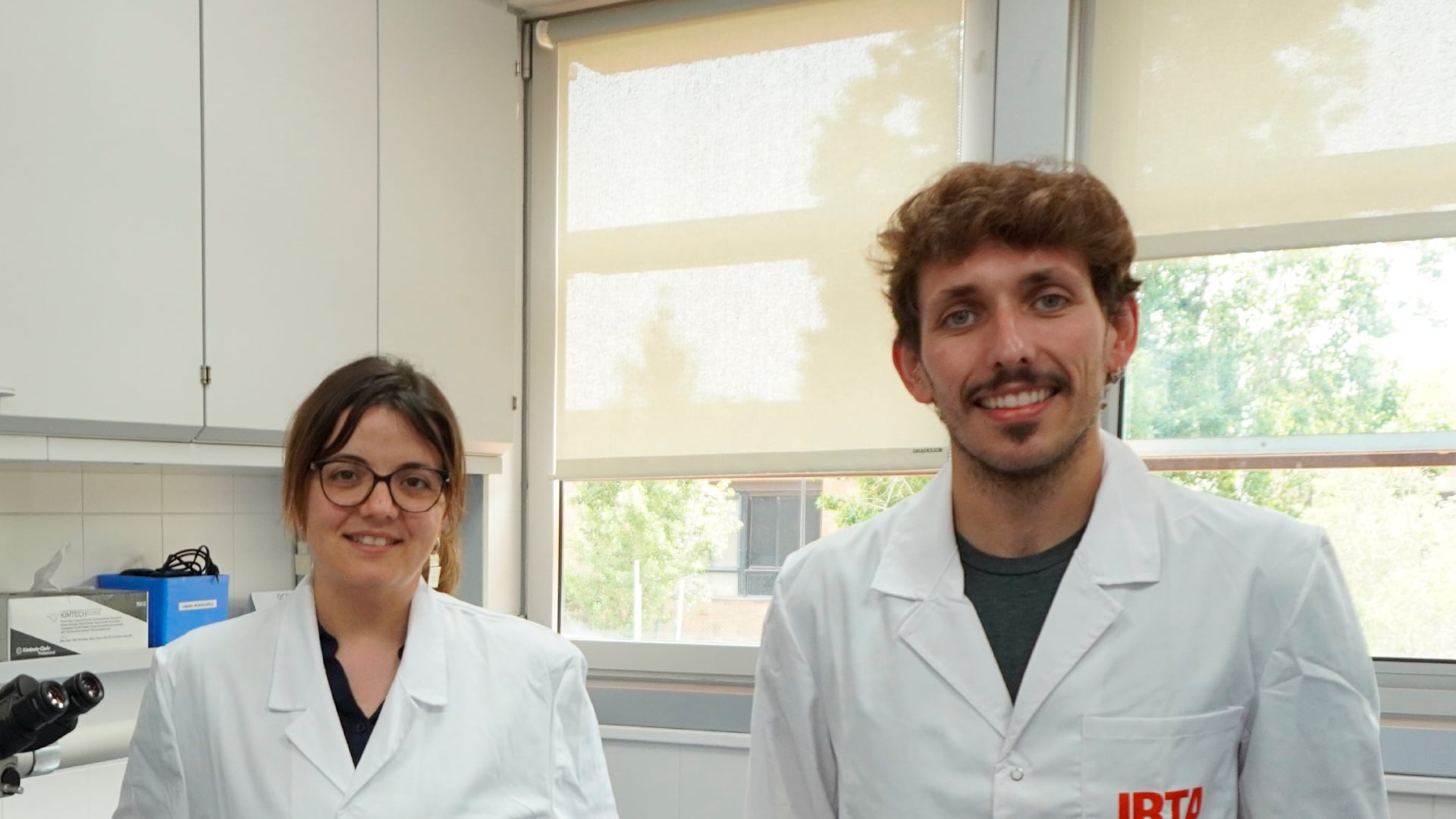
Gerardo Ceada and his team at Zoorganoids
However, there are two sides to this increase. “On the one hand, we now have better epidemiological surveillance and diagnostic systems, so we can detect outbreaks that would have previously gone unnoticed. But, on the other hand, we’re also witnessing a real increase in the transmission of pathogens between species” adds Gerardo Ceada. “Such cases are known as ‘zoonoses’” explains José, “and it’s estimated they account for around 70% of the new diseases we see today”.
With the wind in their sails
Whether a virus goes on to become a public health problem is rarely down to chance. Behind most emerging diseases lies a combination of environmental, social and demographic factors that create the perfect setting for a pathogen to jump from one species to another and then find a way to spread.
“We have a fairly good understanding of the factors that promote the emergence and spread of these diseases, and many of them are intensifying” notes Muñoz. “One of the most significant is climate change, which is altering the distribution of species capable of acting as reservoirs or vectors for diseases. A good example of this is the tiger mosquito, which is becoming increasingly widespread in Europe and is capable of transmitting viruses such as dengue, Zika and chikungunya”.
Added to this are deforestation, urbanisation and growing international travel. “There’s increasingly closer contact between people and wildlife, whilst travel makes it easier for a local outbreak to spread rapidly” explains Muñoz. The 2014 Ebola epidemic is a case in point: an outbreak that probably began in a small village in Guinea, when a two-year-old boy was playing with bats, and ended up spreading to become the largest Ebola epidemic on record to date.
Finally, other factors such as poverty, armed conflicts, migration and the weakness of some healthcare systems complete the scenario. “In such situations, it’s more difficult to detect new pathogens at an early stage and respond quickly, increasing the risk that a local outbreak will end up becoming much bigger” adds José.
Always one step ahead
For decades, epidemiological warning systems have relied mainly on so-called passive surveillance, i.e. hospitals and health centres reporting cases once they’ve already emerged. “It’s a system that works, but sometimes cases are detected too late or aren’t reported properly” notes José Muñoz. “The challenge now is to move towards active surveillance. In other words, not waiting for an outbreak to become evident but looking for the first signs that something unusual is happening”.
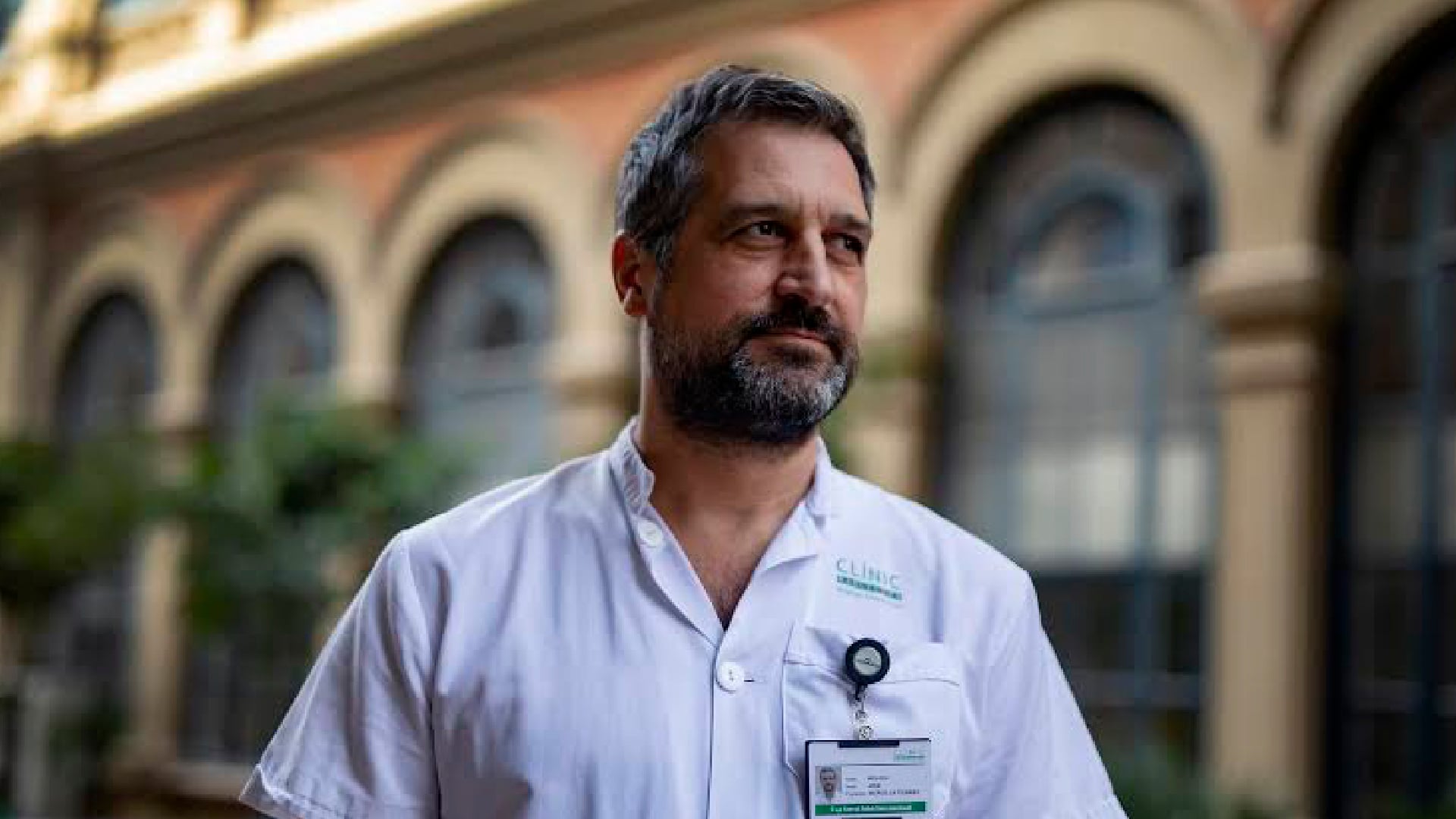
José Muñoz
And it’s thanks to technology that this shift in focus is becoming possible: from AI algorithms capable of analysing millions of pieces of clinical data in real time to the genomic analysis of wastewater to detect pathogens before they spread, digital surveillance based on internet searches and social media conversations, and even the use of satellite imagery to monitor climate variables linked to certain diseases, to quote just a few examples.
“We’re living in exciting times” says Muñoz. “Multidisciplinary teams are working with these technologies to detect events at an early stage and respond sooner. There’s still a long way to go, particularly when it comes to coordinating all these systems, but we’re moving in the right direction”.
The importance of prevention
This paradigm shift is already giving rise to new, concrete tools capable of anticipating risk.
One such tool is Famba, a platform developed by José Muñoz’s team that uses AI to integrate epidemiological, climatic and mobility data with the aim of predicting the risk of infectious diseases.
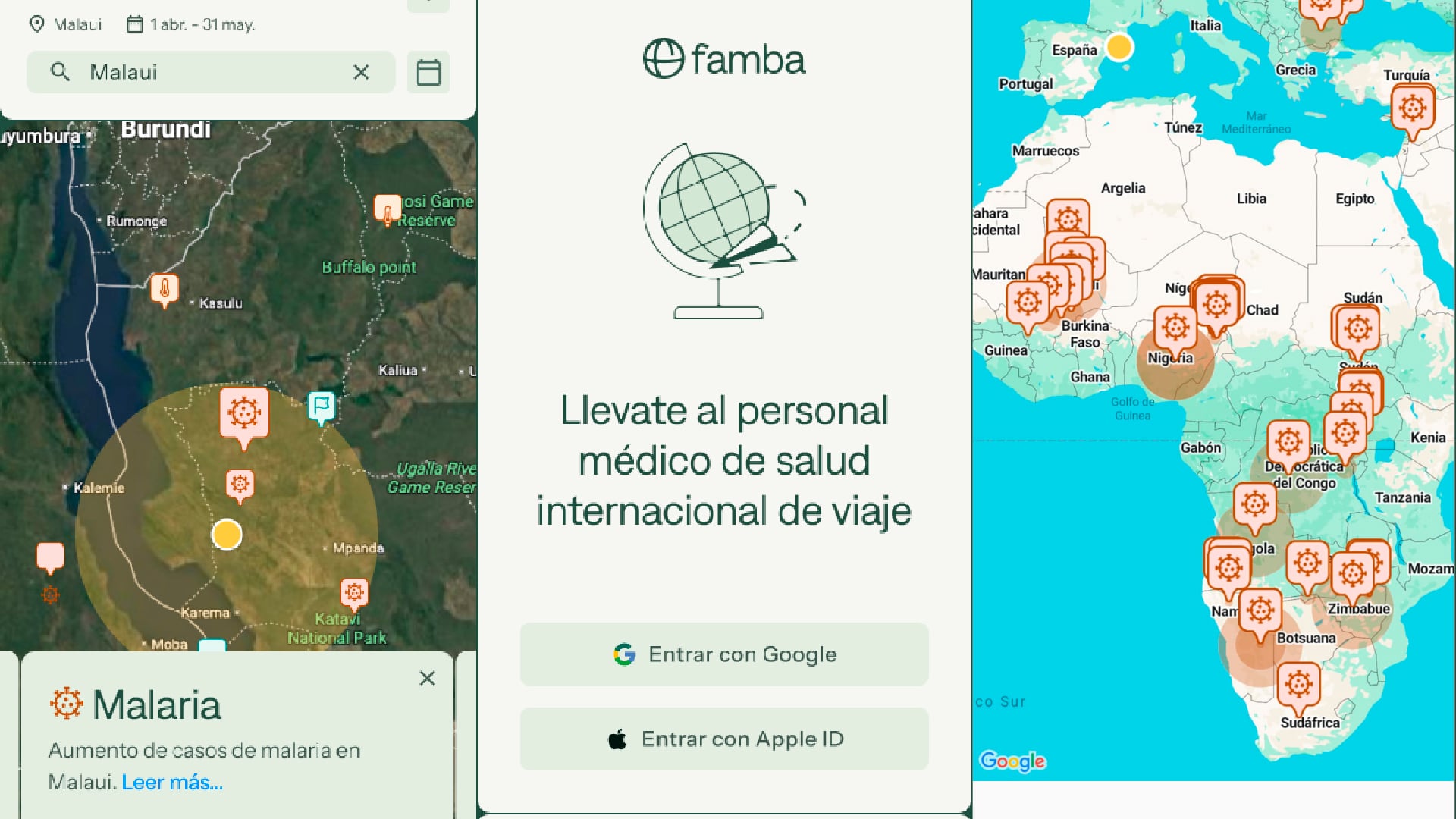
Famba App
The platform offers international travellers personalised recommendations (for instance, an estimate of the actual risk of contracting dengue fever based on the destination, the time of year and environmental conditions) but it also functions as a collective surveillance system. By identifying which situations are typical in each region and detecting deviations, it enables a faster public health response.
Another way of staying one step ahead of a pandemic is to study viruses even before they find a new host. That’s the aim of Zoorganoids™, IRTA’s animal organoid biobank, where Gerardo Ceada works. Thanks to organoids cultured from the stem cells of more than 40 animal species, the team can analyse how viruses interact with different hosts without the need to experiment on live animals.
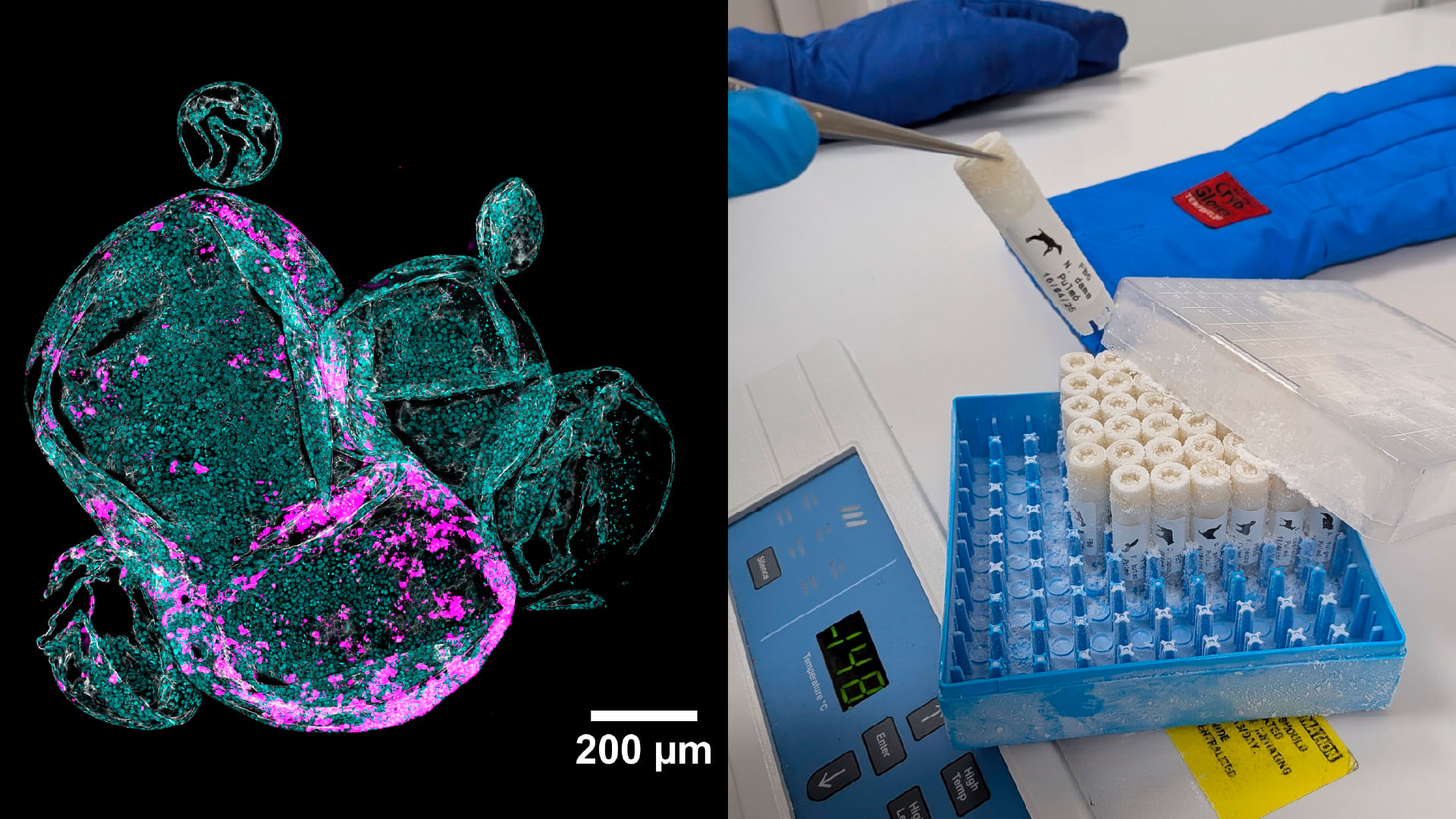
Left: Porcine lung organoids infected with swine influenza A (H1N1) virus. Cytoskeleton in white, nuclei in cyan, and virus in magenta. Right: Nitrogen tank containing organoid samples.
“We can infect organoids from numerous species with the same pathogen to identify which animals might be susceptible even before the infection occurs in the wild” explains Gerardo Ceada.
Although they employ very different strategies, projects such as Famba and Zoorganoids™ share the same underlying principle: One Health – the premise that human health cannot be understood in isolation.
“For decades, human health, animal health and the environment were studied separately. Today we realise they form part of the same system” explains Muñoz.
A predictable future
We’ll probably not be able to prevent new viruses from emerging. As long as there are pathogens capable of jumping between species, emerging diseases will continue to arise. But that doesn’t mean we’re doomed to repeat a crisis like that of COVID-19.
“Pandemics are not entirely avoidable but they are increasingly predictable and controllable” summarises Gerardo. The key lies in detecting threats as early as possible, in gaining a better understanding of how pathogens evolve and in taking swift, coordinated action before a local outbreak becomes a global problem.
The fact is that the possibility of a ‘Disease X’ will always exist somewhere on the planet. And although the ultimate goal will always be to eradicate it, that may not always be possible. As José points out, “if we manage to detect the disease promptly and implement a rapid, coordinated response, we’ll have achieved a great deal. That’s the current aim”.