Monday 01

Memory, Stigma, Future Challenges

Published on 01/12/2025

In 2024, 1.3 million people contracted HIV, 40.8 million were living with the virus, and 630,000 died from AIDS-related illnesses. These figures are in addition to the 92.3 million people in total who’ve been infected since the start of the pandemic, according to estimates

More than forty years have passed since the first cases were detected and, although steady progress has been made, we still can’t class HIV as a disease of the past.

So what have we learned after four decades of fighting HIV? What stigma does it carry today? Which scientific challenges remain to be solved? And what social transformations are essential to envisage an AIDS-free future?
Share

0
Friday 28

News from the Lab: Can we train the immune system?

Published on 28/11/2025

Bladder cancer is one of the most common urological tumours. In over 75% of cases, it’s diagnosed when the tumour is in its non-muscle invasive form; i.e. it hasn’t reached the muscle layer of the bladder.

The standard treatments consist of administering BCG, a vaccine derived from Mycobacterium tuberculosis that’s introduced directly into the bladder to activate the immune system and slow down the disease.

But there’s a limitation to this approach: it doesn’t always prevent relapses or stop tumour progression.

For this reason, the research team from IrsiCaixa and the Germans Trias i Pujol Research Institute, in collaboration with Archivel Farma, proposed a new approach: What if,

Share

0
Thursday 20

34 biomedical research projects that will address the main health challenges

Published on 20/11/2025

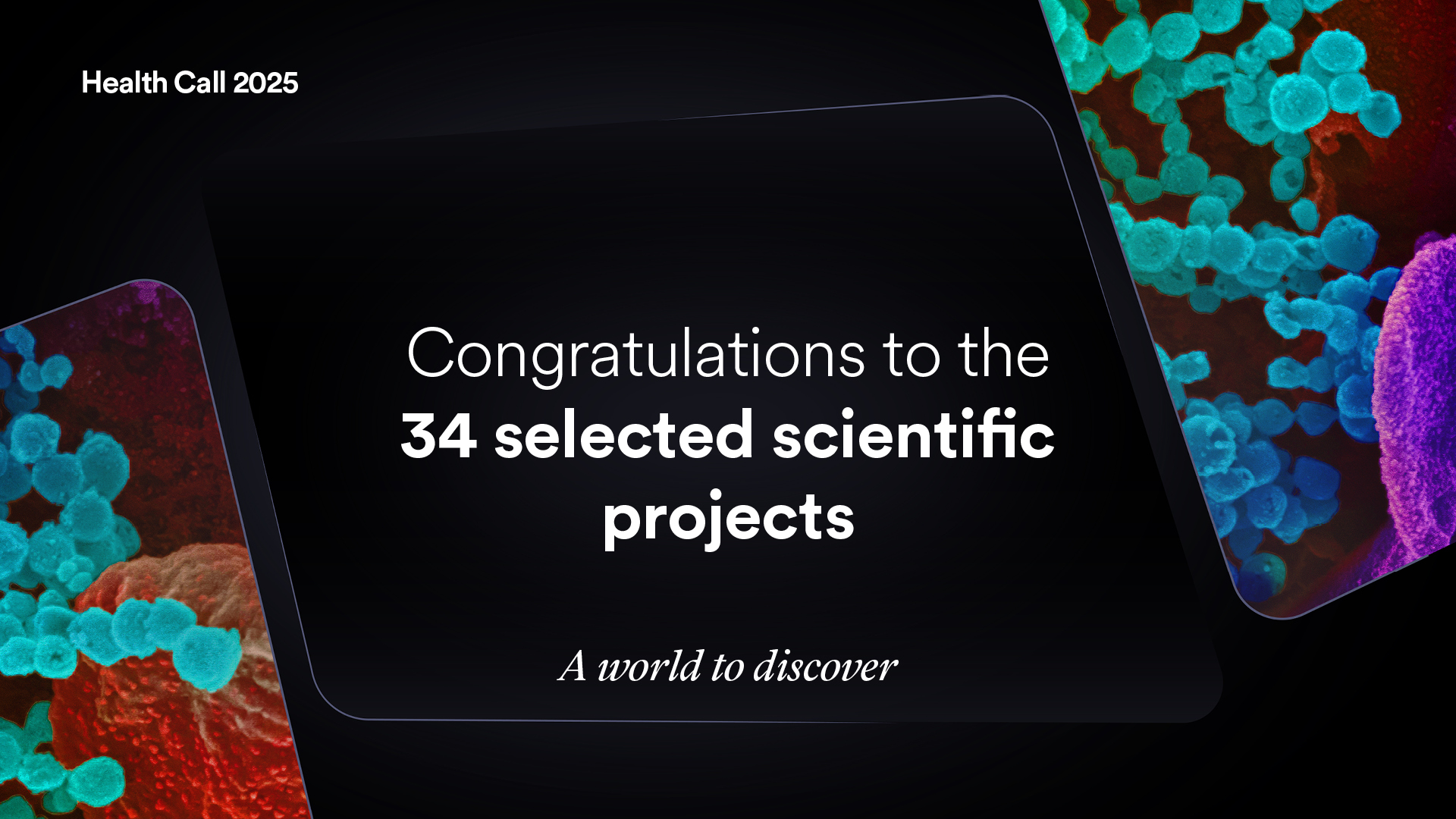
The 2025 edition of the Health Research Call from the ”la Caixa” Foundation has selected 34 new cutting-edge biomedical research projects, awarding each of them up to one million euros. The projects are led by 25 research centres, universities and hospitals in Spain, and nine in Portugal.

This eighth edition of the call received 714 proposals in basic, clinical and translational research, and is particularly aimed at tackling major health challenges in several areas: neurosciences, cardiovascular and metabolic diseases, oncology, infectious diseases and enabling technologies in any of these fields.

This year, agreements with the Breakthrough T1D Foundation and the Fundación Luzón have made it possible to place a stronger emphasis on funding initiatives focused on type 1 diabetes – two projects have been selected – and amyotrophic lateral sclerosis (ALS),

Share

0
Wednesday 19

The female entrepreneurs transforming healthcare

Published on 19/11/2025

Melanie Perkins, co-founder of Canva; Arianna Huffington, founder of The Huffington Post; Jennifer Doudna, winner of the 2020 Nobel Prize in Chemistry for CRISPR-Cas9 gene editing technology and founder of numerous scientific start-ups; and Daphne Koller, co-founder of Coursera. These are some of the until-recently-minority cases of women leading companies capable of rewriting the rules of innovation.

Things are changing but the scenario is still strikingly unequal. Women own just one in four companies globally and, in Europe alone, they account for 73% of the “missing” entrepreneurs. This means there could be 5.5 million more women starting and managing new businesses if they had the same opportunities and participated in early-stage entrepreneurship at the same rate as men aged 30 to 49.

Share

0
Tuesday 18

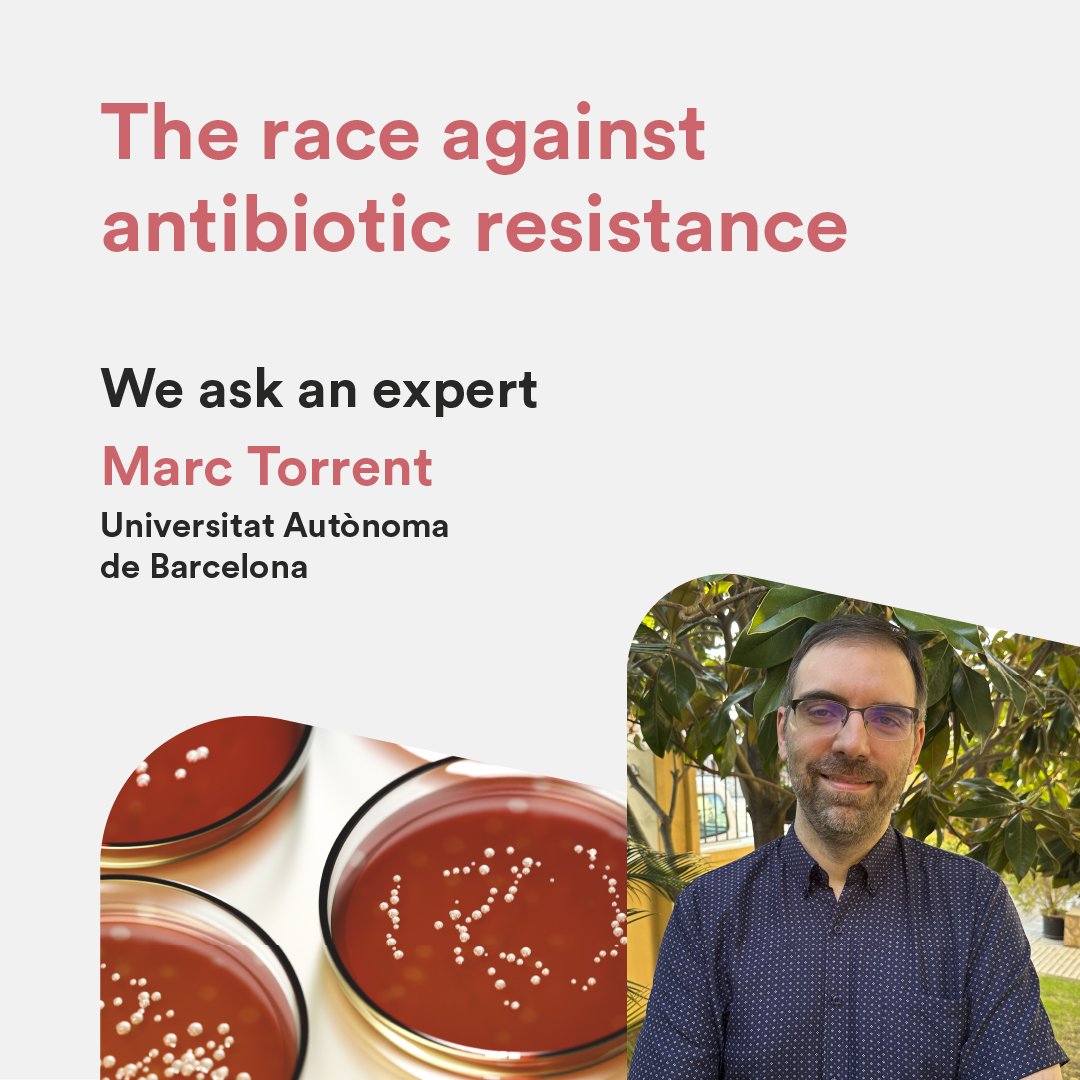
How can we win the race against antibiotic resistance? We ask an expert

Published on 18/11/2025

For years we’ve been reading about the ability of certain bacteria to resist traditional antibiotics. “Nightmare bacteria”, superbugs, multi-resistance are all concepts that are becoming increasingly common and reflect the same reality: the impossibility of treating bacterial infections with antimicrobial molecules.

In fact, bacteria become resistant due to random mutations. If we stop an antibiotic treatment too early, they have a greater chance to mutate; and if we use antibiotics unnecessarily, we encourage resistant strains to survive and multiply. This creates a vicious circle that jeopardises the effectiveness of our treatments.

Today we’re talking to researcher Marc Torrent, Senior Lecturer in the Department of Biochemistry and Molecular Biology at the Autonomous University of Barcelona,

Share

0
  • Archive