

We asked an expert: autism – what do we really know, and what remains to be discovered?
Published on 23/11/2026
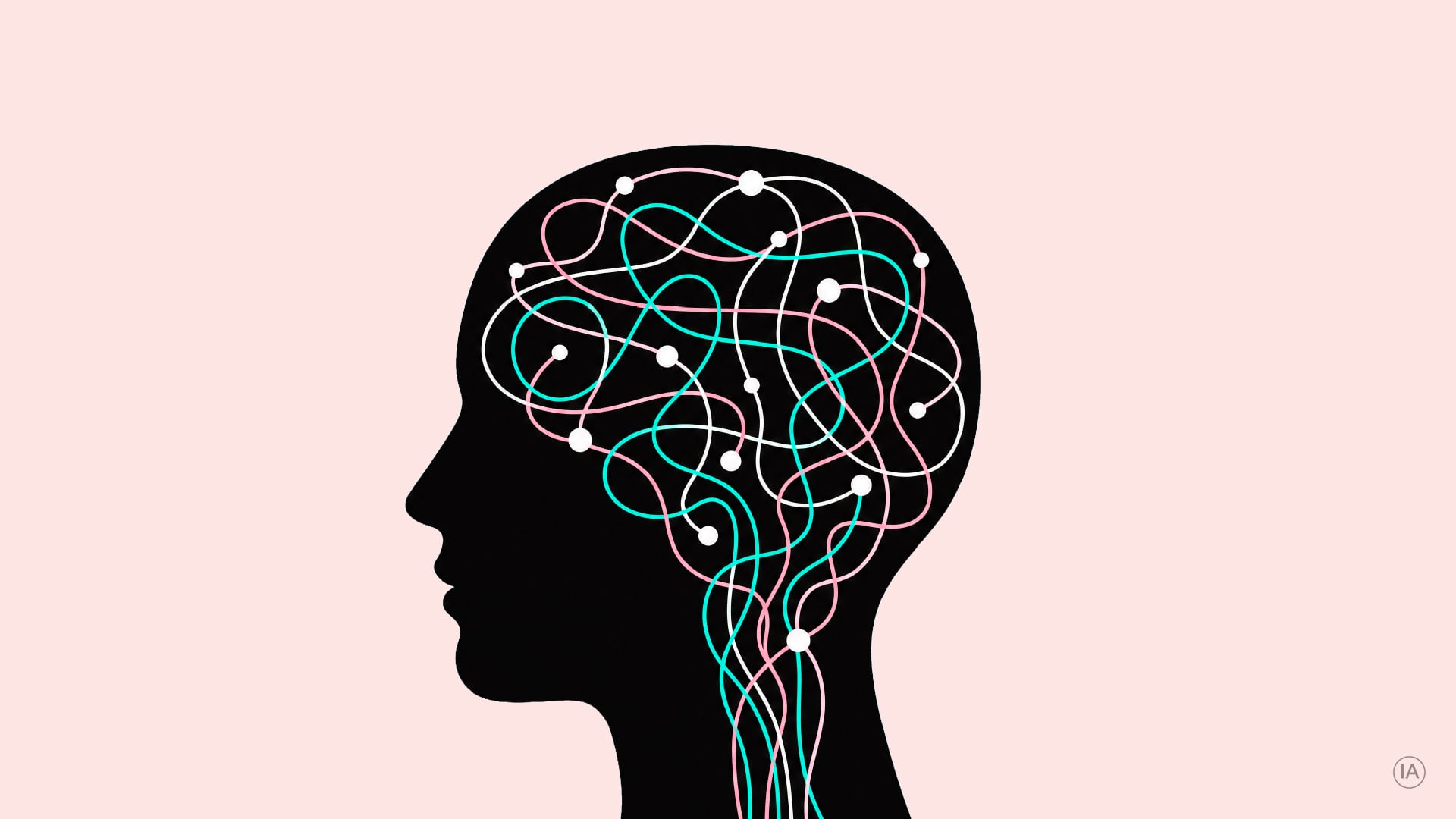
Autism, clinically known as ASD (Autism Spectrum Disorder), has evolved from being seen primarily in terms of a deficit to being approached from a broader perspective. Improvements in the ability to identify such instances continue to drive up the number of people diagnosed with the disorder, currently stands at 1 in 127 people globally, including 1 in 31 children in the United States, whilst in Spain the number of schoolchildren diagnosed rose from 19,023 to 91,877 between 2011 and 2024. However, numerous false claims continue to circulate regarding its causes, diagnosis and possible treatments.
To separate fact from fiction and find out more about the questions science is currently seeking to answer, we spoke to Mercè Pallàs and Christian Griñán-Ferré, both researchers at the University of Barcelona, members of the University of Barcelona’s (UB) Institute of Neurosciences and of the CIBERNED group (Network Centre for Biomedical Research on Neurodegenerative Diseases), and leaders of a CaixaImpulse Innovation project focused on developing a new therapeutic approach to autism.
Mercè, how does science define ASD and why do we talk about a “spectrum”?
Mercè (M): Autism is a neurodevelopmental condition characterised by persistent impairments in communication and social interaction, along with restricted or repetitive patterns of behaviour, interests or sensory processing. It’s called a “spectrum” because language, cognitive ability, autonomy, comorbidities and need for support vary enormously from person to person. There are also significant differences between the sexes, both in diagnostic frequency and in clinical presentation and biological architecture; in women, under-diagnosis and masking may be particularly relevant.
From an aetiological perspective, we distinguish between syndromic (or secondary) autism, associated with a genetic abnormality or identifiable cause; and idiopathic (or non-syndromic) autism, for which no single genetic cause has been identified, in which a complex interplay of genetic variants, epigenetic regulation and developmental factors is likely to be involved. The latter accounts for 85% of the cases.
Mercè Pallàs
Christian, what are the most persistent myths or false claims that distort the public’s perception of autism?
Christian (C): Some of the most harmful myths are that vaccines cause autism, that it’s due to poor parenting, that all autistic people lack empathy and emotional capacity, or that a it can be “cured” via diet or supplements. Nevertheless, although always used as a complement to a clinical approach, it’s true that nutritional intervention can be useful in alleviating specific symptoms, correcting deficiencies and certain complements.
The concept of neurodiversity encourages us to see autism as a natural variation of the brain. How does this perspective relate to medical research and the clinical aspects of this condition?
C: Both realities coexist. The framework of neurodiversity combats stigma and reminds us that many of autism’s characteristics form part of human variability and that each person’s identity, autonomy and strengths must be respected. However, the exclusive use of terms such as “condition” can obscure the clinical dimension of cases involving intellectual disability, the absence of functional language, epilepsy, anxiety, self-harm or severe dependency. When autism is profound and requires ongoing support, there’s a neurobiological disorder with clearly pathological and health-related consequences.
The ethical aim is to carry out research together with autistic people, not merely on them, and to focus the advances on reducing suffering and barriers and on improving quality of life, without imposing a single way of being.
Christian Griñán-Ferré
What evidence do we currently have regarding the development and causes of autism?
M: Autism doesn’t have a single cause because brain development is one of the most complex biological processes: almost all the major systems of cellular regulation are involved at one stage or another. Over the course of evolution, the human brain has acquired an extraordinary capacity to generate language, social reciprocity and flexibility in response to the environment and it’s precisely these domains, which depend on the integration of multiple circuits, that appear to be impaired in autism. Consequently, what we observe clinically are brain-related manifestations, such as social communication, behaviour, learning and adaptation, even though the causes may originate at a genetic, epigenetic, immune, metabolic or synaptic level.
Overall, the genetic basis combines common variants with small effects and rare variants (inherited or de novo), upon which epigenetic regulation and developmental factors act. All this complexity disrupts key brain pathways, such as synaptic function and the neuroimmune response, taking on a different significance in each subgroup.
An example of this is, once again, the gender-related differences. On average, a greater burden of rare, high-impact genetic variants and a larger proportion of de novo variants are observed in women that have been diagnosed than in men, in line with the hypothesis of a female protective effect liability threshold.
What is the aim of current treatments, and which specific aspects or symptoms do they seek to address?
C: The aim is to improve communication, learning, independence and quality of life, as well as to treat epilepsy, anxiety, sleep disturbances, ADHD, irritability, self-harm and gastrointestinal problems where these are present, but without erasing the person’s identity or suppressing harmless behaviours.
Behavioural, educational and developmental interventions form the core of treatment aimed at improving communication, learning, independence and adaptation to the environment. Of particular note are those based on applied behaviour analysis, developmental and behavioural naturalistic approaches (ESDM, JASPER, Pivotal Response Treatment), social communication programmes provided by people in the child’s environment, and training in functional communication. This approach is complemented by speech and language therapy, occupational therapy, physiotherapy and psycho-educational support. As there is no single method, effectiveness requires an interdisciplinary, measurable and personalised programme to be produced, whose success depends on the age, developmental profile, functional goals, intensity, quality of implementation and family commitment.
In pharmacology, for decades autism has been treated as a psychiatric disorder, prescribing psychotropic drugs to manage irritability, aggression, hyperactivity, anxiety or insomnia. However, autism isn’t a classic psychiatric illness but rather a neurodevelopmental disorder; the available drugs act primarily on associated symptoms rather than on the mechanisms underlying its core characteristics. Fortunately, innovative therapies are being researched that target the core symptoms and biological mechanisms, such as the excitation-inhibition balance, synaptic function, neuroinflammation and epigenetic regulation.
You’re leading a research project to develop a new therapeutic approach. What exactly does this project involve, and what advantages does it offer over current alternatives?
M: Numerous studies indicate that alterations in synaptic pruning (the process by which microglia remove unnecessary neural connections during development) and the neuroimmune response are key factors in certain subgroups of autism. Insufficient, excessive or untimely pruning alters the connectivity of brain circuits. Furthermore, the persistent activation of microglia and astrocytes creates an environment of neuroinflammation that can disrupt the balance between neuronal excitation and inhibition.
Epigenetics plays a central role in this model because it translates genetic, immune, metabolic and environmental signals into gene expression programmes. Given that epigenetics regulates both neuronal maturation and the immune function of microglia, an alteration in these marks may sustain inflammatory states or prevent the pruning and consolidation of circuits. The key advantage is that, unlike a genetic mutation, epigenetic marks are potentially modifiable.
Our project, currently in the preclinical phase, is developing a dual-target compound aimed at epigenetic enzymes. The hypothesis is that the modulation of two complementary regulators will enable the reprogramming of altered gene networks, promote more physiological synaptic plasticity and simultaneously act upon neuroinflammation. Rather than blocking a single receptor or treating an isolated symptom, we aim to act on converging mechanisms that link chromatin, glial function, synaptic pruning and behaviour. This multi-targeted approach is particularly relevant for idiopathic autism, where there’s no single treatable mutation.
How are the main scientific advances moving towards achieving the prompt diagnosis of autism? Are we close to identifying biomarkers that will enable diagnoses to be more objective and earlier?
C: Diagnosis remains clinical in nature and is based on developmental history, observation and standardised tools. The aim is not to replace clinical assessment but to complement it with objective information. At present, there’s no single “autism biomarker” that can diagnose the condition on its own and it’s unlikely that one will ever be found. Instead, panels will emerge that are capable of detecting early abnormalities, defining biological subgroups, estimating developmental trajectories and predicting the response to intervention. The most promising advances combine genetics, epigenetics, neuroimaging, electroencephalography, eye-tracking, immune parameters, metabolomics and digital biomarkers. In our case, we’re looking for epigenetic and neurometabolic markers that will enable us to identify early molecular alterations before the clinical phenotype is fully established.
Looking to the medium-term future, what do you think will be the greatest impact of current scientific advances on the day-to-day lives and quality of life of people with autism and their families?
M: The most significant change will be the shift from a very broad category to personalised decisions. In this respect, biomarkers may initially be more useful for stratifying and measuring the response than for replacing clinical diagnosis.
The idea is to carry out research to create better biological conditions that enhance therapeutic education and behavioural interventions. We aim to bring the brain into a more favourable molecular state, with more balanced epigenetic, synaptic, metabolic and immune systems, that promotes plasticity and learning. If we reduce these molecular barriers, interventions such as speech and language therapy, occupational therapy and communication training could be more effective, could progress more rapidly and require less effort to achieve functional learning.
The spectrum encompasses very different realities and it therefore demands equally diverse responses. Consequently, the future will likely involve a synergistic combination of biological treatments and educational intervention. Our aim is to provide new therapeutic tools for those who need them, whilst always respecting each person’s identity, priorities and dignity.