

Snapshot of the month: «Digital topography»
Published on 27/10/2026
Some discoveries and creations share the same premise: making the invisible visible. In this month’s Snapshot, art and medicine come together to reveal the structures that sustain life.
To explore the convergence between electronic art and molecular cardiology, we’re joined by visual artist and “la Caixa” Foundation fellow Isabel Merchante, and also researcher José Jalife from our network, head of the Cardiac Arrhythmias group at the Carlos III National Centre for Cardiovascular Research (CNIC) and head of the study, published in the journal Nature, which explores the use of molecules present in the body to prevent acute arrhythmias and normalise the heart’s rhythm.
We’ll start with the artist.
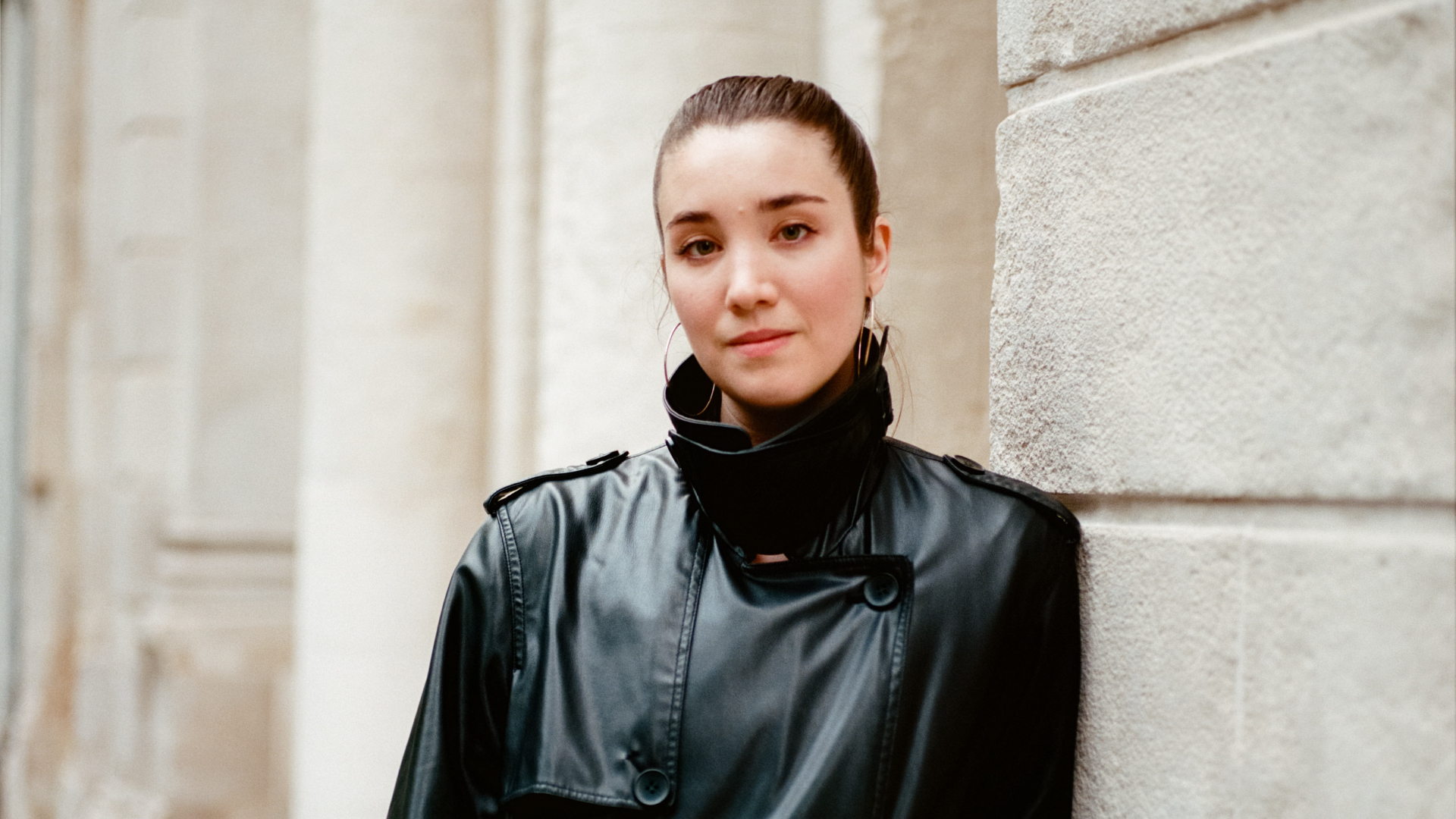
Isabel Merchante / Credit: Alvy Studio, 2025
Isabel Merchante develops sculptures and installations that integrate robotics, programming, and artificial intelligence. Her projects transform technology into an emotional and poetic tool to reimagine how we interact with it beyond purely productive purposes. Her latest work, Constellation Creatures, has been constructed using machine learning techniques to create a language spoken by two robotic agents and transmitted through light and color, exploring how artificial systems are capable of creating their own languages beyond the scope of human perception.
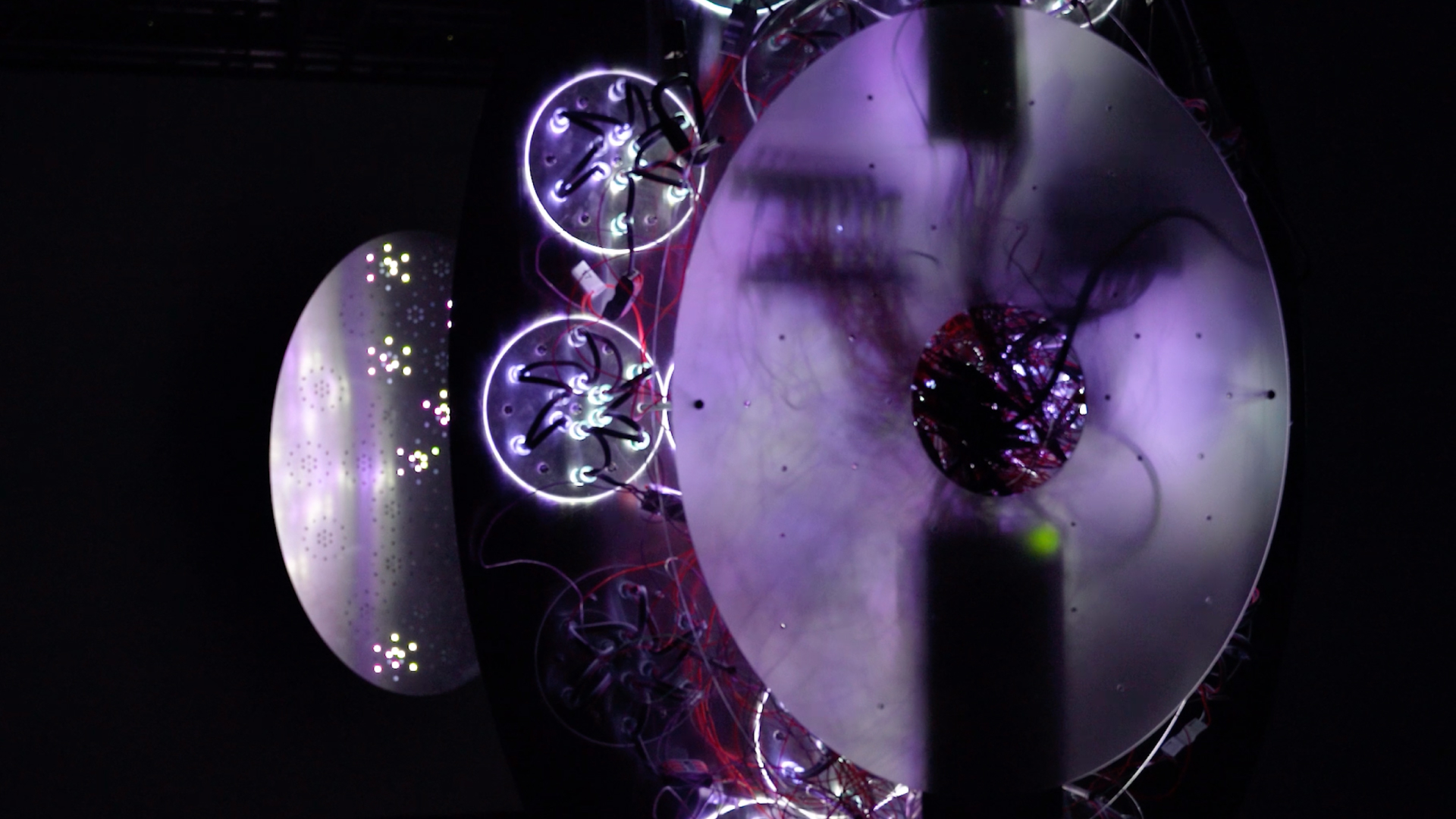
“Constellation Creatures” (2026), a work by Isabel Merchante.
Isabel, which artwork or artist does this image remind you of?
Isabel (I): It reminds me of the installation Pulse Topology by the artist Rafael Lozano-Hemmer, a piece of electronic art that’s activated in real time by the presence of visitors, using the biometric data from their heartbeats. He’s an artist I admire and a leading figure internationally in electronic art.
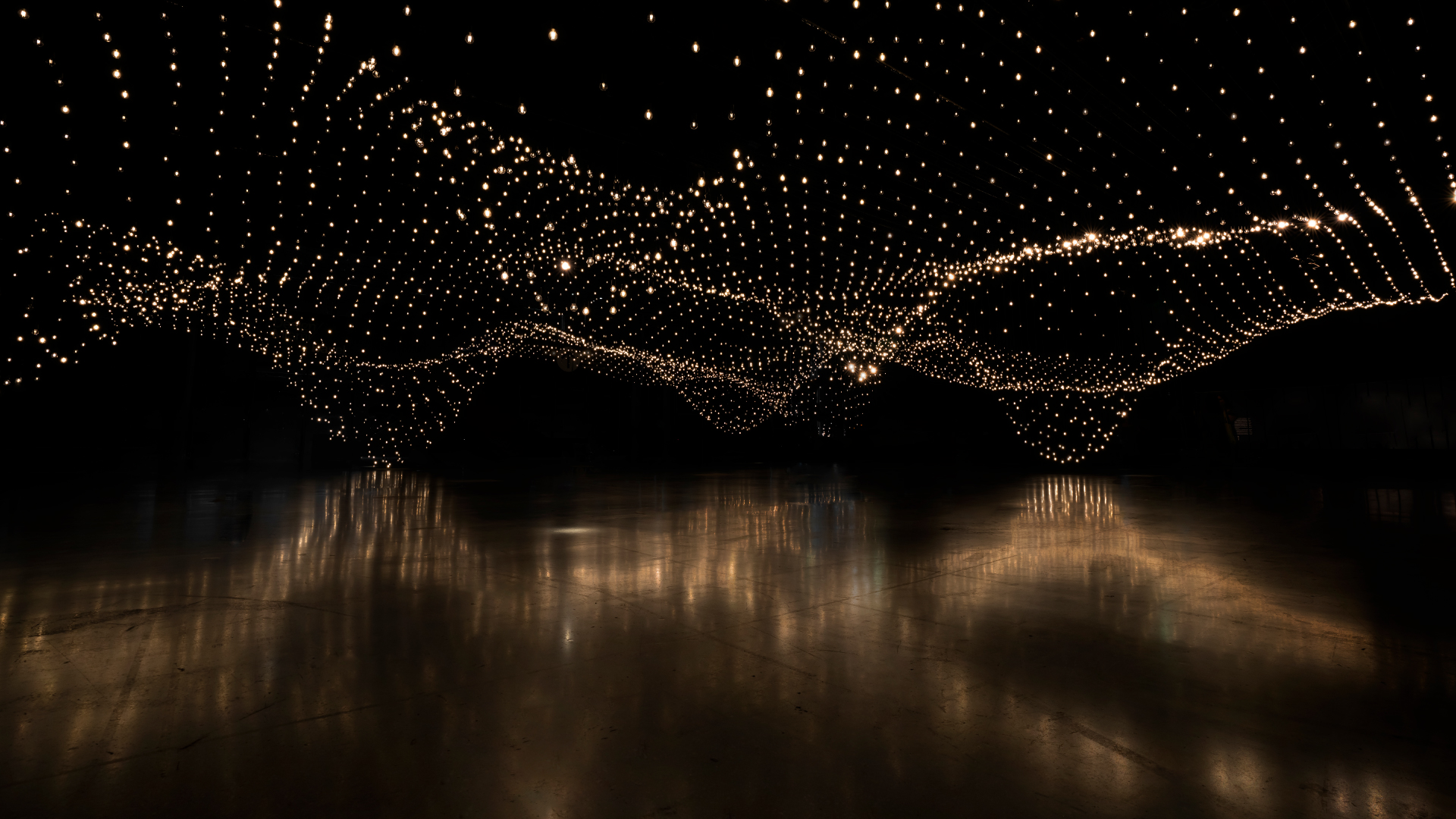
“Pulse Topology” (2022), Rafael Lozano-Hemmer / Source: Atelier Lozano-Hemmer
When you look at it, what does this image bring to mind?
I: I see a digital surface that’s expanding as if it were a biological culture, or it could also be an aerial view of a city lit up at night. If I had to give it a name, it would be Digital Topography.
We continue with the researcher José Jalife.
José, from a scientific perspective, what can we see in this image?
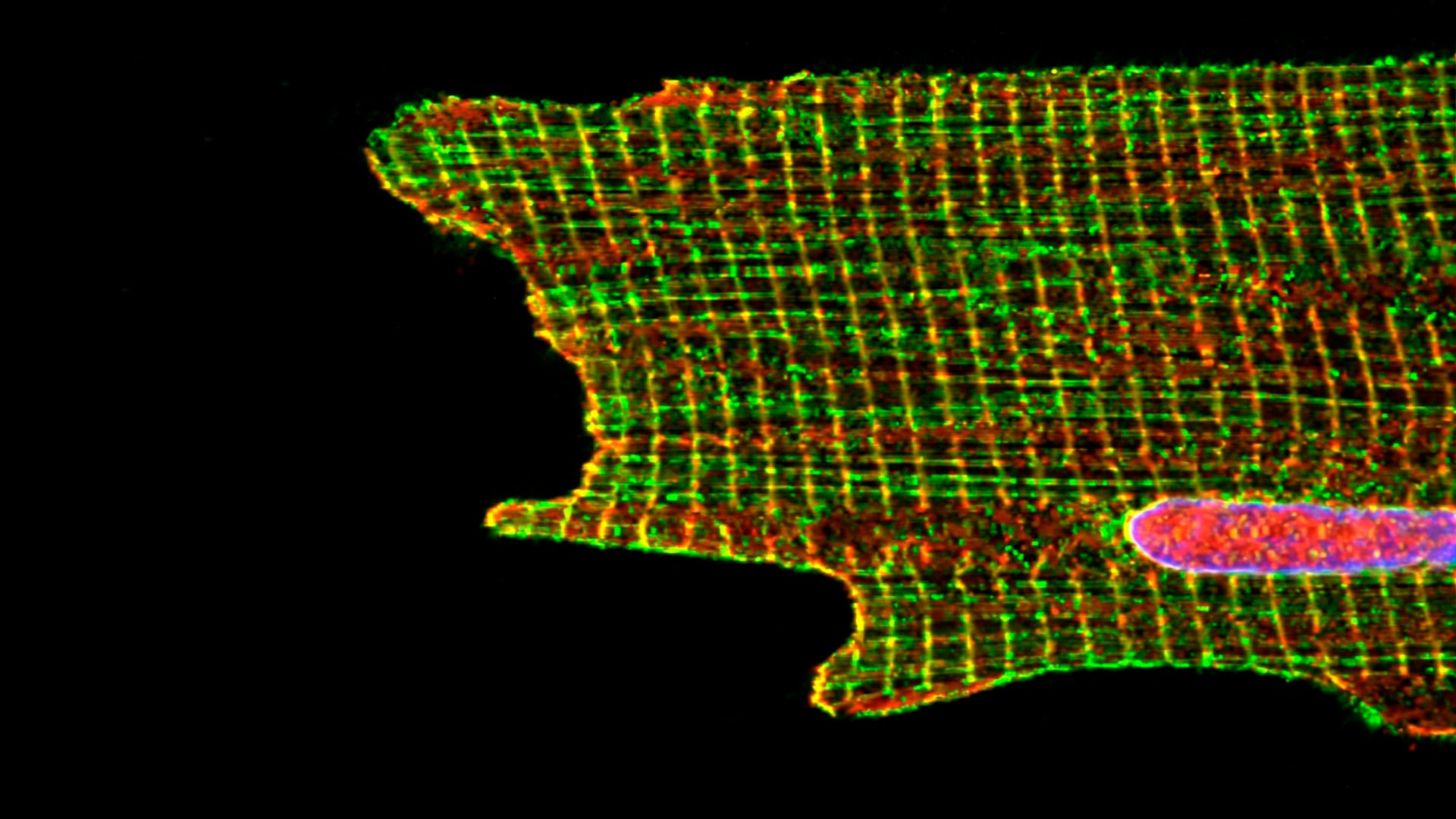
José (J): The image shows a segment of a heart cell from the left ventricle, specifically a section of a T-tubule, which are invaginations of the cell’s plasma membrane that work alongside the cardiac muscles. Stained with fluorescent antibodies, we can see proteins forming Kir2.1 potassium channels (green) and NaV1.5 sodium channels (red), whilst the yellow dots indicate colocalisation.
What have you discovered from this study?
J: Our data suggest that polyamines (small molecules present in all living organisms that are involved in cell growth and division, and are also used as supplements), specifically spermine and spermidine, are effective in treating short QT syndrome type 3 (SQTS3) in an experimental mouse model of the disease. SQTS3 is a very rare genetic heart condition that can cause fainting or even sudden death due to irregularities in the heart rate and rhythm caused by abnormalities in the potassium and sodium channels of the cardiac cells, which are responsible for repolarising the heart.
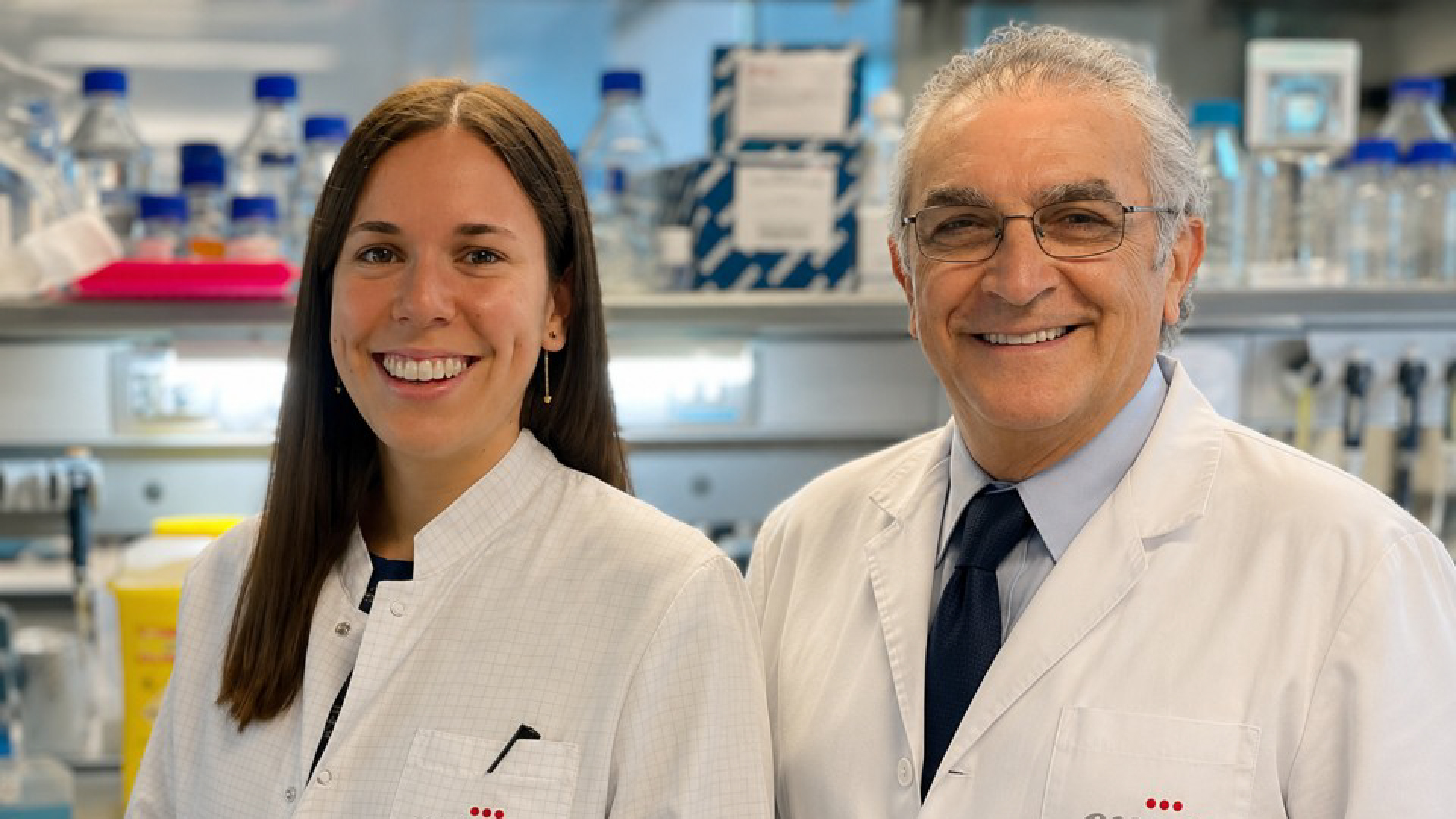
Ana Isabel Moreno Manuel, researcher and first author of the article, and José Jalife, last author of the article.
What problem does your finding address, and how have you resolved it?
J: It addresses the need to deepen our understanding of the mechanisms responsible for this condition and to find targeted treatments.
To do so, we used mice with the same genetic mutation. When we administered polyamines to them, their heart rate normalised and the risk of dangerous arrhythmias decreased. However, although the results are promising, confirming that this treatment is safe and effective in humans is required before it can be implemented in clinical practice. Further research conducted alongside specialized medical personnel and a Research Ethics Committee is needed, as are clinical trials in patients for whom standard therapy has failed, proves intolerable, or is unavailable. Additionally, establishing a formal collaboration with a pharmaceutical partner that complies with Good Manufacturing Practice (GMP) regulations and provides a standardized, verifiable chemical profile of the molecules will be essential.
What impact do you think this discovery will have on society?
J: The most significant aspect is that it has demonstrated that, beyond existing treatments for symptoms such as arrhythmia, it’s possible to develop a safe therapy that targets the molecular cause of the problem, paving the way for new, more specific therapeutic strategies.
Furthermore, this discovery helps to repurpose medicines, an approach that seeks to find new uses for existing drugs, thereby saving time and money in the development of treatments, particularly for rare diseases.
We’ll finish, as always, with a reflection on what links science and art. Isabel, what do you think the relationship is between the two?
I: I think they feed off each other and there isn’t really much difference between them. Science and art deal with uncertainty and their discoveries or creations enrich people’s lives.